Medical experts and campaigners are calling for the introduction of routine heart screenings for young people, arguing it could prevent hundreds of tragic deaths each year. This urgent plea follows new research revealing that simple electrocardiogram tests can effectively identify individuals at risk of sudden cardiac death.
The Tragic Case of Clarissa Nicholls
Clarissa Nicholls, a 20-year-old Cambridge University student and keen athlete, tragically died while hiking in southern France in 2023 from an undiagnosed heart condition. She had arrhythmogenic cardiomyopathy, a condition where the heart muscle is replaced by fat and scar tissue. This is one of many heart conditions that experts say could be detected through basic screening.
Groundbreaking Research Findings
Research funded by the charity Cardiac Risk in the Young (CRY) has produced compelling evidence supporting widespread screening. The study analyzed data from more than 104,000 young people aged 14 to 35 who underwent heart screenings in a CRY-funded scheme.

Shockingly, one in 300 participants were identified with heart conditions that could have fatal consequences if left untreated. Among those diagnosed, four in ten received life-saving interventions including implantable defibrillators, pacemakers, and in two cases, heart transplants.
The Current Screening Gap
Every week in the UK, twelve people under the age of 35 die from hidden heart conditions, often in their sleep without prior symptoms. Currently, only elite athletes, army recruits, and pilots receive routine heart screenings in the UK through private sporting bodies.
This study has challenged the common assumption that sports exacerbate the dangers of hidden heart conditions, finding no significant difference in sudden cardiac death risk between athletes and non-athletes.
A Mother's Campaign for Change
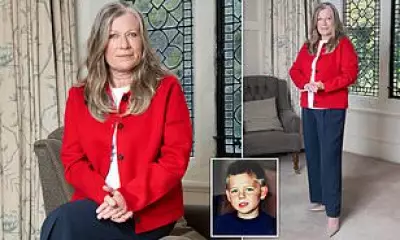
Hilary Nichols, Clarissa's mother, has spent the years following her daughter's death campaigning for greater screening awareness. She told the Times: 'If screening is a requisite for elite athletes and army recruits, why should the wider population not have access to these privileges? This is about giving young people the ability to make informed choices.'
Understanding Arrhythmogenic Cardiomyopathy
Arrhythmogenic cardiomyopathy affects between one in 1,000 and one in 5,000 people in the general population and is a leading cause of sudden cardiac death in people under 35. The condition can be identified through electrocardiogram screening and treated with various interventions including antiarrhythmic medication, implantable cardioverter-defibrillators, catheter ablations, or lifestyle modifications.
The Path Forward
Dr Steven Cox, chief executive of CRY, emphasized the study's significance: 'This research has clearly demonstrated it is no longer a question of if screening saves lives, but now about how many lives screening saves and how to prevent more tragedies.'
The published study represents the most comprehensive examination of cardiac screening in young people to date and could pave the way for a nationwide screening programme. Approximately one in every 250 people is thought to have a genetic heart condition, affecting roughly 260,000 people in the UK.
Clarissa's Legacy
Clarissa's Campaign was established in her memory and raises money for ECG heart screening days for young adults. The charity collaborates with CRY, the NHS, and Clarissa's family to fund an annual eight-day screening service in Cambridge and south-east London, where Clarissa grew up. Each screening day costs approximately £7,000.
This research provides compelling evidence that routine heart screenings for young people could identify those at risk and implement preventive measures, potentially saving hundreds of lives annually across the United Kingdom.