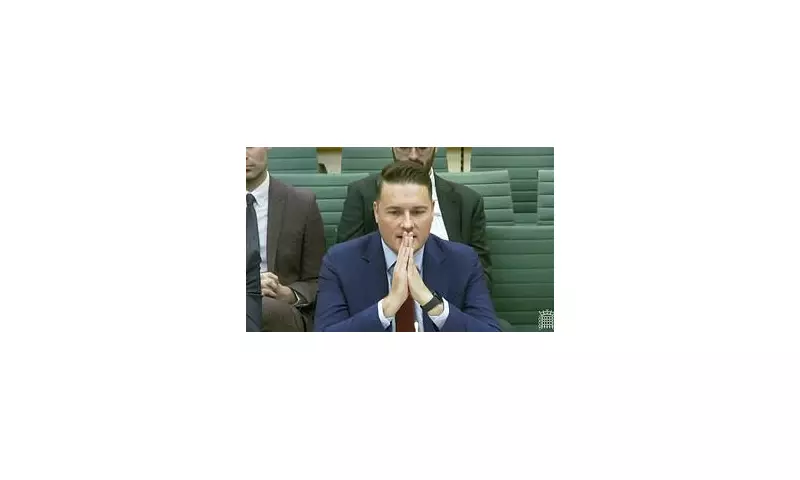
Health Secretary Wes Streeting has conceded that children are incapable of giving informed consent to participate in a controversial medical trial for puberty blockers. The admission came as he faced mounting political opposition and public protests against the study.
Mounting Political and Public Opposition
Mr Streeting's comments were made during a session with the Health Select Committee, where he faced intense scrutiny. His appearance coincided with a significant demonstration outside the Department of Health's headquarters in central London, where speakers condemned the trial. Furthermore, 107 MPs and peers from across the political spectrum signed a letter urging him to stop what they labelled a 'dangerous mistake' that could 'devastate' young lives.
The Consent Dilemma and Trial Details
Under questioning, Mr Streeting agreed with MPs that pre-teens, who could be as young as ten in the study, lack the capacity to understand the risks to their sexual development. He clarified the process, stating that a young person could only provide 'informed assent' by repeating back the risks to a clinician, while a parent or guardian must provide the actual informed consent.

The Secretary of State revealed he 'wrestles' daily with his decision to allow the clinical trial to proceed. This trial is part of a wider £10.7 million study by King's College London into 'gender incongruence' and will involve 226 young people taking the drugs for two years. This green light comes despite Mr Streeting implementing a permanent ban on the routine prescription of puberty blockers last year, following the landmark Cass review which found scant evidence for their safety or effectiveness.
Parliamentary Debate and Clinical Concerns
During a subsequent Urgent Question forced by the Conservatives, Mr Streeting elaborated on his difficult position. He expressed worry about the risks of 'puberty-suppressing hormones' but also discomfort about an outright ban, citing harm expressed by some young people, parents, and clinicians.
However, criticism came from within his own party. Labour MP Preet Kaur Gill voiced concern that 'credible safeguarding warnings from clinicians and academics' were being ignored. Independent MP Rosie Duffield, who recently left Labour, helped deliver the protest letter and called the trial 'the worst thing that has ever happened in this entire experiment with children.' Reform UK's Sarah Pochin went further, branding it 'nothing short of state-sponsored child abuse.'
Mr Streeting defended his decision by emphasising his reliance on clinical advice, stating he had to weigh the risk of harm carefully. The debate underscores the deep divisions and complex ethical landscape surrounding the use of puberty blockers for young people experiencing gender dysphoria in the UK.