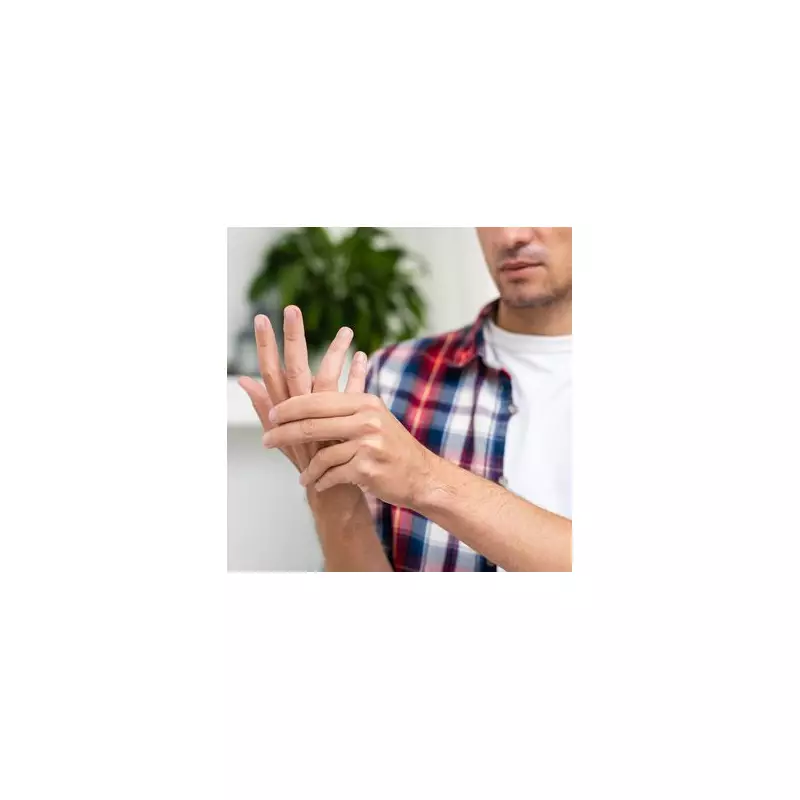
A prominent neurologist has highlighted a remarkably simple "hand test" that individuals can perform at home to potentially identify early risk factors for dementia. This straightforward examination, which takes just minutes to complete, focuses on measuring grip strength and has been scientifically linked to cognitive health.
The Connection Between Grip Strength and Brain Health
Dr Baibing Chen, a double board-certified neurologist and epileptologist, emphasised in a recent social media presentation that grip strength offers a unique "window" into brain-body communication. While he clarified that weak grip does not directly cause dementia, it serves as a powerful physical marker for brain ageing and future cognitive risks.
"One of the simplest and strongest physical markers for brain ageing and your future risk of dementia is your grip strength," Dr Chen explained. "This doesn't mean that weak hands cause dementia, but it means grip strength is a window into how well the brain and body are talking to each other."

The neurologist detailed how the brain must coordinate multiple systems including nerves, muscles, sensations, timing and blood flow simply to execute a hand squeeze. When this coordination system shows weakness, it often reflects reduced overall brain resilience.
How Different Dementia Types Manifest
Dr Chen noted that changes in strength can develop gradually over time, with different dementia types showing distinct patterns. "In some types of dementia, especially vascular dementia or Lewy Body Disease, motor changes like strength reduction or slowing can appear early," he observed. "But in Alzheimer's, memory issues usually show up first."
He added that patients typically don't report weak grip directly but describe symptoms like dropping objects more frequently, hands tiring faster, or feeling slower during everyday activities.
Conducting the Home Hand Test
While medical professionals use specialised hand dynamometers for precise measurements, people can conduct a basic version at home using simple equipment. A tennis ball or stress ball provides an effective alternative for tracking grip strength over time.
Follow these steps for the home test:
- Sit comfortably with good posture, keeping feet flat and back straight
- Extend your arm forward
- Squeeze the ball as hard as possible
- Attempt to maintain maximum squeeze for 15-30 seconds
- Repeat three times with each hand, recording your duration
Research indicates important thresholds for cognitive risk at approximately 22 kilograms for men and 14 kilograms for women, though these vary based on age and gender factors.
Compelling Research Evidence
Major studies provide substantial evidence supporting the grip strength-dementia connection. The UK Biobank research involving over 190,000 adults found that a five-kilogram decrease in grip strength correlates with a 12% to 20% increased dementia risk.
Particularly significant findings include:
- Weak grip in midlife (ages 40-70) often links to cognitive decline appearing a decade later
- The connection proves especially strong for vascular dementia, where lower muscle strength frequently relates to small vessel disease indicators in the brain
- Individuals in the lowest 20% of grip strength demonstrate up to 72% higher dementia risk compared to the strongest group
Important Considerations and NHS Guidance
Dr Chen stressed that people should "not panic or obsess" if they notice grip weakness, noting that "many people with weak grip never develop dementia." The test serves as an indicator rather than a diagnostic tool.
The NHS identifies several early dementia signs that individuals should monitor alongside grip strength:

- Memory loss affecting daily life
- Difficulty concentrating
- Struggling with familiar tasks like handling correct change when shopping
- Problems following conversations or finding appropriate words
- Confusion about time and place
- Noticeable mood changes
This accessible hand test represents a valuable addition to public health awareness, providing individuals with a simple method to monitor potential early indicators of cognitive health changes while emphasising the importance of professional medical consultation for proper diagnosis and care.