New figures reveal a dramatic exodus of Britons seeking cheaper cosmetic procedures overseas, with nearly half a million people flying abroad for medical treatment last year alone. Driven by soaring UK costs and lengthy NHS waiting lists, this booming 'medical tourism' trend is raising alarm among health professionals over patient safety.
The Scale of the Surgical Exodus
Data from the Office for National Statistics shows a staggering 50 per cent increase in Britons travelling for medical treatment since 2022. In total, 523,000 people sought procedures outside the UK last year. The most popular destination was Turkey, attracting more than 40% of these patients, followed by Poland, Romania, and Portugal. India was the only non-European country in the top ten, drawing 22,000 British patients.
The financial incentives are stark. One Reddit user reported paying just £3,000 for a hair transplant in Turkey, compared to potential costs upwards of £15,000 in the UK. Some Turkish clinics advertise 'all-inclusive' packages, including a full hair transplant, medication, and a meal on surgery day, for as little as £2,125.

A Global Marketplace for Procedures
The phenomenon extends far beyond cosmetic surgery. Countries are actively competing for this lucrative trade. India offers a special, cheaper medical visa and has pioneered access to advanced treatments like a version of CAR T-cell therapy for blood cancer, available for around £35,000 versus over £300,000 in the UK.
In Europe, Latvia is emerging as a budget hotspot, with procedures like breast enlargement costing roughly half the UK price. Spain has built a reputation for quality cosmetic surgery at lower costs, while the Czech Republic and Poland are leading for affordable IVF treatments, with rounds costing between £1,843 and £3,072 compared to over £5,000 domestically.
Meanwhile, destinations like Thailand, Malaysia, Serbia, and Mexico are attracting patients with experimental stem-cell therapies and other advanced treatments not readily available in the West.
Expert Warnings and Hidden Dangers
Despite the allure of low prices, leading surgeons are issuing serious cautions. Consultant plastic surgeon Professor Ben Miranda told the Daily Mail he treats several patients each month for complications arising from surgery abroad.
"The problem lies where centres are within countries that lack high-quality regulation, or where centres choose not to follow high-quality practice," Professor Miranda warned. He highlighted critical issues including inadequate aftercare, the risks of flying soon after surgery, and poorly translated or missing medical records, which complicate any necessary corrective treatment in the UK.
The Foreign Office explicitly states that "travelling abroad for treatment can significantly increase the risk of something going wrong," citing cases of serious long-term harm and even death due to poor practices.
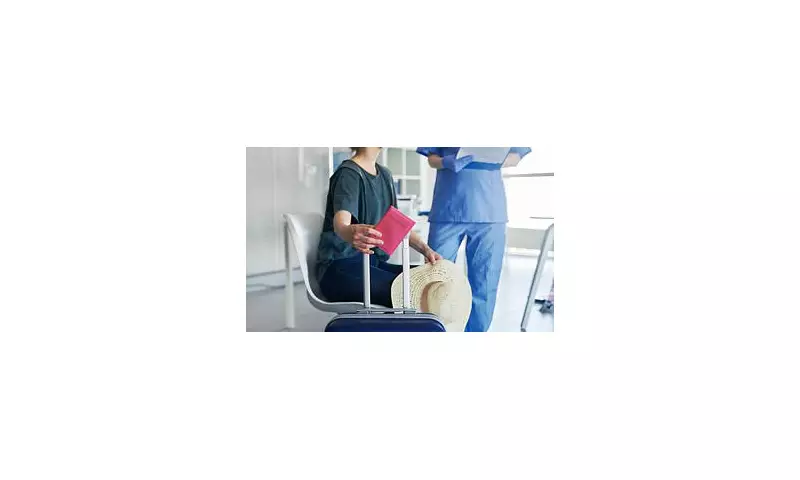
The trend is now so pronounced that airlines are adapting. Wizz Air, which operates flights to several Turkish cities, has intensified checks on passengers returning from destinations like Istanbul and Antalya. The airline increasingly requests a 'fit-to-fly' certificate from passengers it deems at risk post-surgery.
This surge in medical tourism occurs against a backdrop of severe pressure on the NHS. Orthopaedic surgery wait lists are at a decade-high, with nearly 701,000 patients waiting for joint operations, fuelling the desperation to seek treatment elsewhere.
While the market for affordable overseas procedures shows no sign of slowing, the stark warnings from experts underline a potentially high human cost behind the bargain prices.