
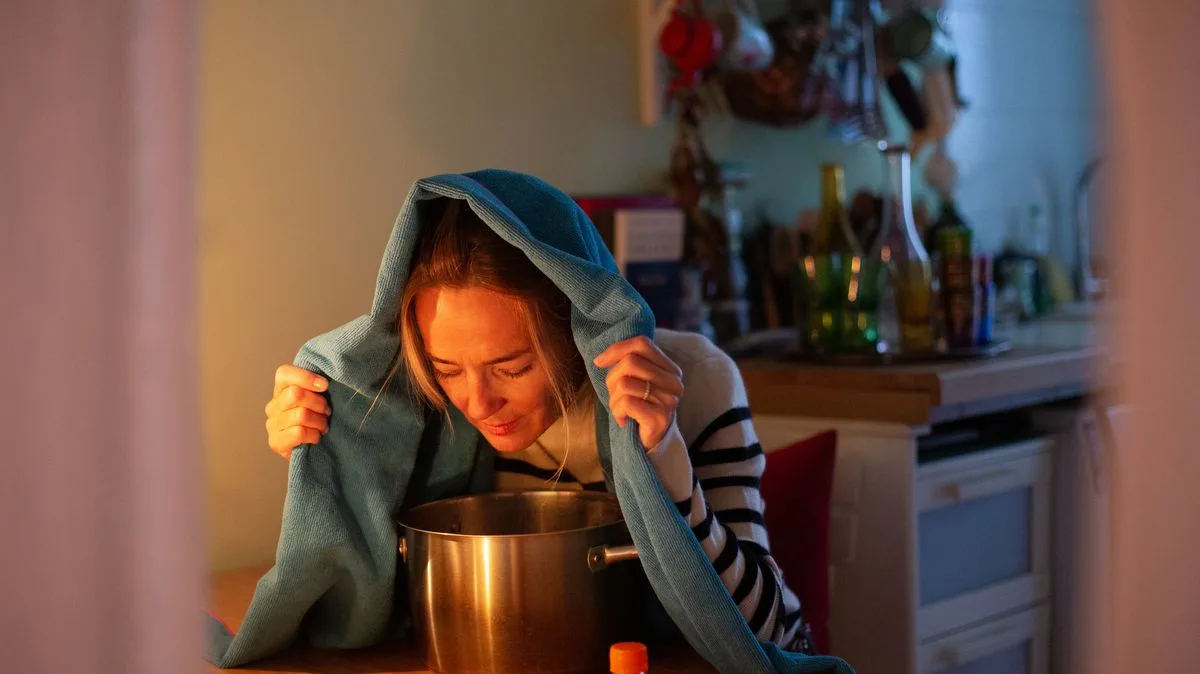
As Christmas approaches, many people are looking for quick ways to shake off winter bugs, but a GP has warned that some popular home remedies may be ineffective or even harmful. Dr Donald Grant, a GP and Senior Clinical Advisor at The Independent Pharmacy, says the most effective treatments for colds and flu are rest, hydration, and over-the-counter medications.
Dr Grant advises against relying on honey, which has antibacterial properties but is not a proven treatment for colds or flu. While it can soothe a sore throat, delaying proper medication may prolong recovery. Similarly, high doses of vitamin C are not recommended, as excessive intake can cause stomach discomfort, nausea, or diarrhoea.
The doctor also warns against using antibiotics for viral infections like flu, as this can lead to antibiotic resistance. Antibiotics should only be used for bacterial infections and when prescribed by a GP. Detox teas and herbal treatments claiming to 'cleanse' toxins are also dismissed as false, with Dr Grant noting that social media spreads many unverified health claims.
Hot toddies—a mix of hot water, honey, lemon juice, and whisky—are another remedy to avoid. Alcohol can increase dehydration, disrupt sleep, and weaken the immune response, worsening symptoms like headaches and fatigue. Raw garlic, while supportive of general immune function, has no proven effect on flu severity and may cause stomach irritation or heartburn.
Finally, Dr Grant cautions against trying to 'sweat out' a fever, as increased sweating can accelerate dehydration, leading to headaches, dizziness, and fatigue. He advises sticking to evidence-based treatments: rest, fluids, and appropriate medications. If symptoms persist beyond a week or worsen, consulting a GP is essential.




