An NHS general practitioner has openly discussed the two distinct categories of patients that consistently test her ability to maintain a composed professional demeanour during the pressured environment of a standard ten-minute appointment.
The Dual Role of a Frontline NHS Doctor
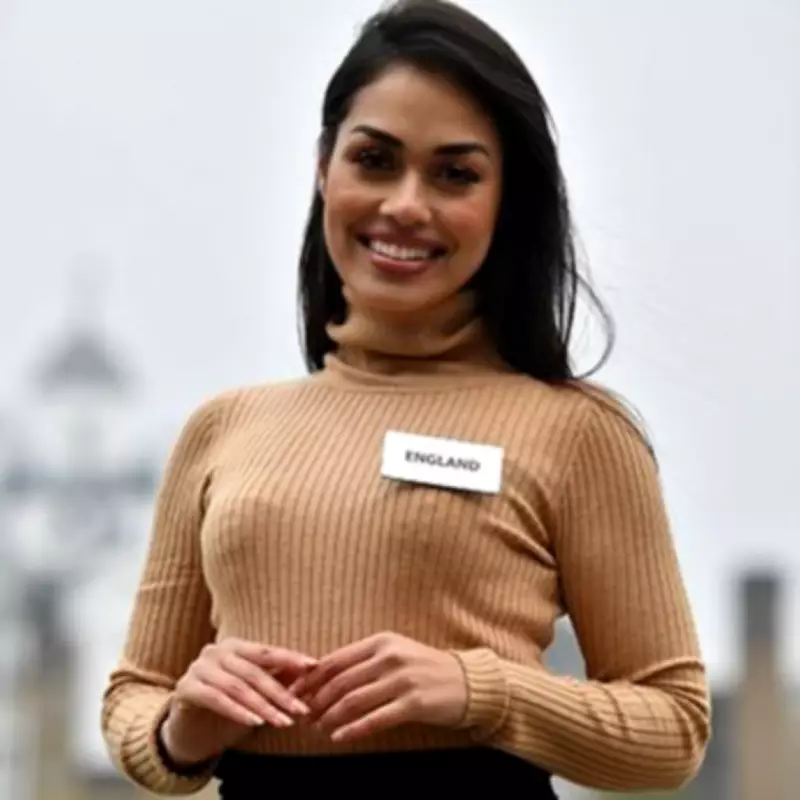
Dr Bhasha Mukherjee, an Indian-British doctor serving as a GP within the National Health Service, has built a notable public profile. Beyond her medical duties, she is a former beauty pageant titleholder, having been crowned Miss England in 2019 and representing the nation at the Miss World competition that same year. She frequently shares insights from her clinical practice on social media, blending expert medical advice with relatable and often humorous anecdotes drawn from her daily interactions.
Identifying the Challenging Consultations
In a recent Instagram video that resonated widely, Dr Mukherjee characterised the two patient archetypes that most commonly require her to consciously "try to look calm". She humorously labelled them as "The Motormouth" and "The Slow Talker".

The video presentation creatively illustrated these types. First, it showed her mimicking "The Motormouth"—a patient who speaks rapidly and with emphatic gestures, delivering an overwhelming amount of information in a very short time. This was followed by a portrayal of "The Slow Talker", where she lip-synced to audio of a child laboriously telling a story, capturing the hesitant, drawn-out pace of some patient responses.
The Reality of the Ten-Minute Window
Elaborating in the video's caption, Dr Mukherjee described the contrasting dynamics. "One arrives, sits down, and gives you their entire life story, symptoms, side quests and family history in under 90 seconds," she wrote.
"The other answers every question with a long pause, a deep breath, and 'well… it sort of started… maybe… last year?'" She concluded with the universal challenge for GPs: "Same 10-minute appointment. Same me, trying to look calm."
Public and Professional Resonance
The clip prompted significant engagement from her followers, with many instantly recognising themselves in the descriptions. One commenter admitted, "I'm the second one," while others praised the relatable portrayal.
The discussion also touched on neurodiversity. One user shared a personal story about their own GP suspecting ADHD due to their "tangential and verbose speech," a comment to which Dr Mukherjee empathetically replied, "I hear you completely as a fellow AUDHDer." This term refers to individuals who are both autistic and have Attention-Deficit/Hyperactivity Disorder, a combination Dr Mukherjee actively champions understanding for.
This revelation underscores the nuanced communication skills and emotional regulation required of GPs, who serve as the primary point of contact in the healthcare system. They must navigate vastly different patient communication styles, manage complex histories, and provide diagnoses, treatment plans, or referrals—all within the constraints of a standard appointment slot, all while maintaining a reassuring and professional calm.