
Georgia’s child welfare system has descended into crisis after the Division of Family and Children Services faced a projected $85.7 million (£68.5 million) shortfall. Cost-saving measures introduced in November by Candice Broce, commissioner of the Department of Human Services, have led to fewer visits between children and parents, reduced support for foster carers, and postponed juvenile court dates due to a lack of transport.
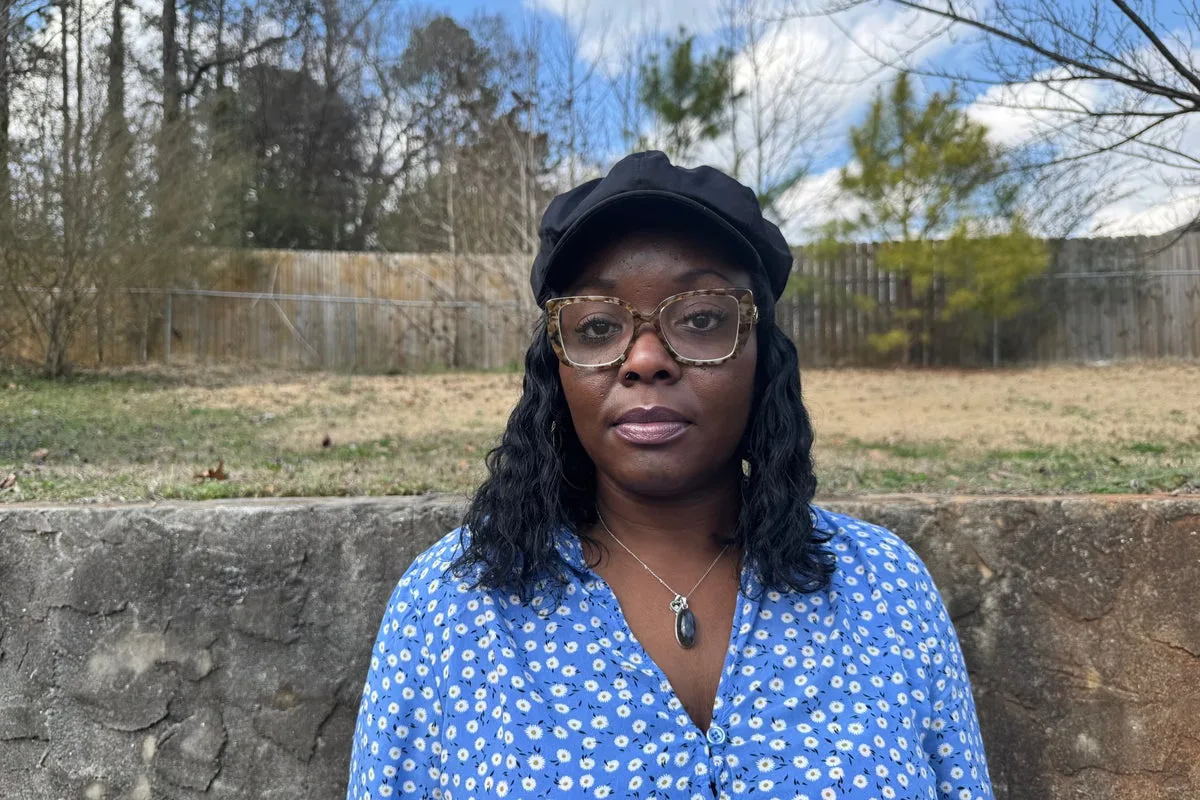
Pamela Bruce, a foster carer, said the cuts have left her “stressed out” and “emotionally exhausted.” Her foster son, who previously had a behaviour aide funded by the agency, lost that support in the autumn. The teenager wrote to his case worker that the aide had become a “brotherly relationship,” and that missing school due to transport issues took a “toll on my mind.” Bruce added that she is terrified she will have to surrender him back to the state.
Georgia lawmakers have voted to backfill the budget gap, but families have already lost months of services and delays may persist. Some lawmakers regard the cash injection as a temporary fix and have called for an audit to determine the root causes of the shortfall. Experts note that while Georgia’s deficit is unusually large, the underlying problem of caring for children with acute behavioural challenges is a nationwide issue.
Broce has terminated contracts with underperforming service providers and, from November, required contracted services to obtain state approval before proceeding. Providers, families, and lawyers report a dramatic slowdown in service referrals. Ann Flagg, director of the Office of Family Assistance for the National Association of Counties, warned that “every day that a family or kid is not receiving the kinds of support that they need, the situation only compounds.”
Broce told lawmakers at a legislative hearing that the agency lacks resources to deal with the “magnitude” of mental health and behavioural services required. She said she has limited services that are duplicative, unnecessary, or could be covered by Medicaid. Even after these cuts, the projected deficit remains at nearly $49 million. In a statement, Broce insisted that service requests “are approved within hours unless we ask for more information.”
Family attorney Jessica Hall questioned how families can be reunified without services in place. Broce defended the tapering of support such as behaviour aides for potentially self-sufficient teenagers with judicial involvement. The agency, part of the Department of Human Services with a state budget of $1.06 billion, employs around 7,500 staff and serves as a critical lifeline for children in crisis.




