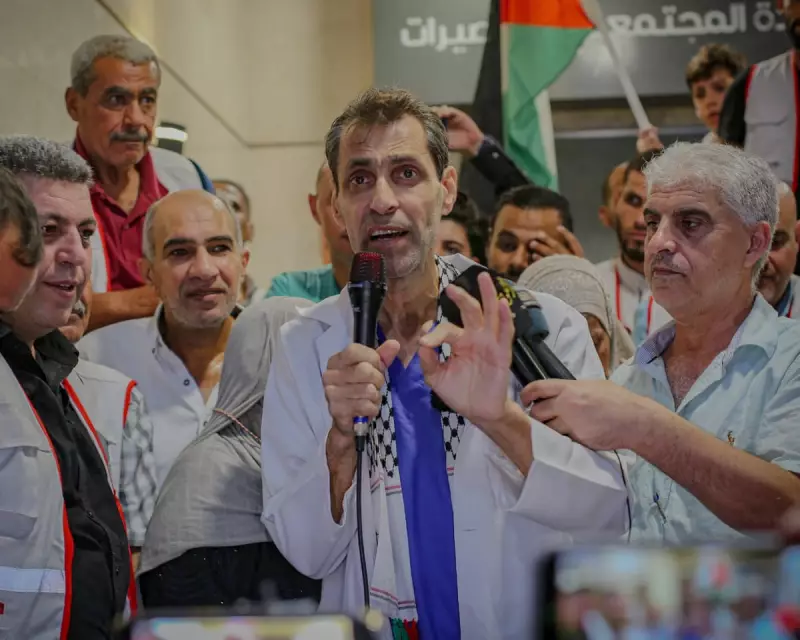
After 665 days imprisoned in Israeli detention centres, Dr Ahmed Muhanna, one of Gaza's most senior emergency care consultants, returned home to a nightmare. The healthcare system he once served has been systematically destroyed, leaving a population deprived of medical care and facing soaring mortality rates.
A Devastating Homecoming
Dreams of reuniting with his family and returning to his work at al-Awda hospital sustained Dr Muhanna during his 22-month detention. Yet, upon his release, he found the Gaza of his memories obliterated. Driven through the ravaged streets, the scale of destruction moved him to tears. "It made my skin crawl … my chest tightened and my tears began to flow," he recounts.
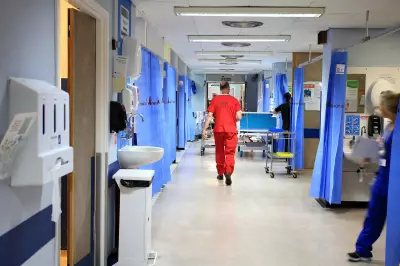
His professional home, al-Awda hospital, where he was a leading anaesthesiologist before his detention in December 2023, was under siege when he was taken. Now, it stands hollowed out. He returned to a facility critically lacking staff, medical equipment, and medicine. Tragically, 75 of his colleagues at al-Awda were killed during his absence.

A Healthcare System in Collapse
The crisis extends far beyond one hospital. According to the UN Human Rights Office (OHCHR), 94% of Gaza's hospitals have been damaged or destroyed. Despite a ceasefire being officially in place, Israel continues to block the entry of medical supplies and nutrients essential for civilian survival, a policy cited by a UN commission investigating acts of genocide.
"The deliberate military targeting of the healthcare system has been successful not only in destroying the infrastructure but also now depriving the people of medical care and increasing the mortality rates," Dr Muhanna states.
The practical consequences are catastrophic. There is not a single functional MRI machine left in Gaza and only one CT scanner, severely hampering diagnosis. Cancer patients see tumours spread untreated, and kidney failure cases rise due to a lack of dialysis machines. The World Health Organization reports that 77% of the population, including 100,000 children, face acute food insecurity, leading to severe malnutrition and complex medical issues that the crippled system cannot adequately address.
Detention, Torture, and a Fragile Future
Dr Muhanna's own ordeal highlights further abuses. He describes being tortured, humiliated, and denied food and medical treatment in detention, corroborating a recent UN report on Israel's "de facto state policy" of organised torture. He was held blindfolded and bound at the Sde Teiman facility, beaten until his rib broke during a transfer, and witnessed the preventable deaths of fellow detainees due to a lack of medical care.
Never charged with any crime, his release brought a bittersweet reunion with his family. Embracing his mother for five minutes was a profound moment, and seeing his children—his daughter now nearly his height—"felt like life had come back to me."
Yet, hope is scarce. As he works tirelessly amidst the overwhelming medical crisis, he grieves for Gaza's future. "There is no future for my children here," he says, describing a landscape stripped of life, green spaces, and opportunity. His motivation to continue working is fueled by the very helplessness he feels, a doctor rendered powerless by a man-made disaster.
The situation is poised to worsen. Israel's recent move to revoke the licences of 37 international NGOs, including medical aid groups like Médecins Sans Frontières (MSF), threatens to sever one of the last lifelines for Gaza's beleaguered population.