The National Health Service has launched a significant new initiative aimed at catching a silent killer early. Selected pharmacies across England are now providing free blood pressure checks to a specific group of people, offering a convenient alternative to booking a GP appointment solely for a measurement.
Who Qualifies for the Free NHS Service?
This scheme is specifically designed for people aged 40 and over who live in England and are not aware they have high blood pressure. If you already know you have the condition, or if your blood pressure has been monitored in the last six months, you will not be eligible for this particular service.
The move recognises that getting a GP slot for a simple check can be difficult and aims to use the widespread network of community pharmacies to improve preventative healthcare.

What Happens During the Pharmacy Check?
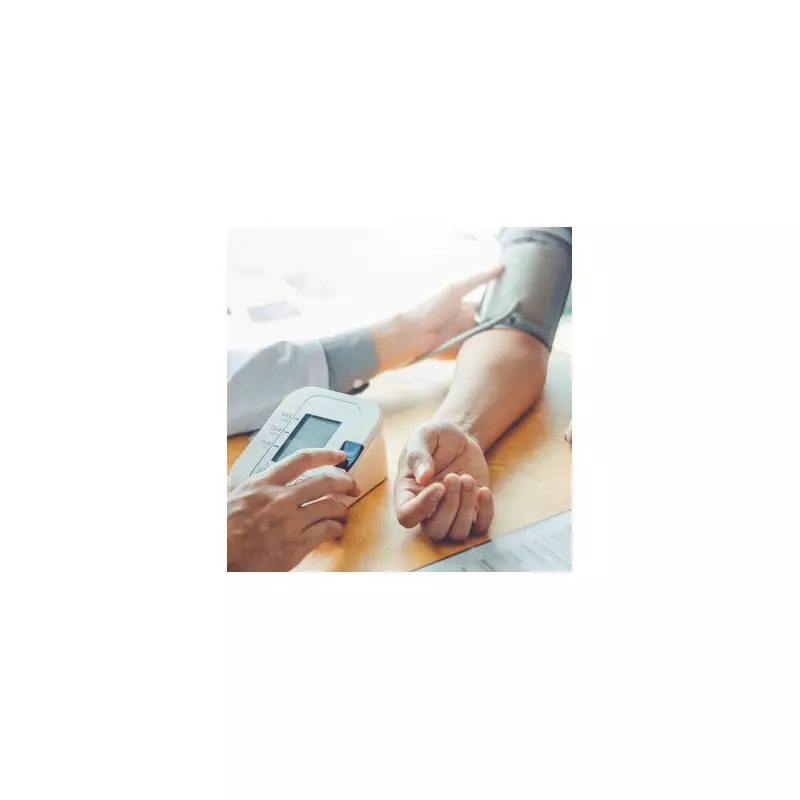
The process is straightforward and similar to a standard assessment. A pharmacist or a trained healthcare assistant will place an inflatable cuff around your upper arm to take a reading.
Depending on the result, your next steps could include:
- A recommendation to make an appointment with your GP for further assessment.
- Personalised advice on lifestyle changes to improve your heart health.
- Being provided with a monitoring device to use at home before a follow-up visit at the pharmacy.
Your reading will be added to your GP health record if you are registered with a surgery. The NHS assures that this information will not be shared with anyone unless your reading is alarmingly high or low, indicating a need for urgent medical help.
The Silent Danger of High Blood Pressure
High blood pressure, or hypertension, is often called a 'silent killer' because it frequently presents no symptoms at all. While some people may experience headaches, blurred vision, or chest pain, many have no tell-tale signs. The only reliable way to know your status is to get it tested.
Left untreated, it puts extra strain on blood vessels, the heart, and vital organs like the brain, kidneys, and eyes. This significantly increases the risk of life-threatening conditions, including heart attacks and strokes.
"Lowering your blood pressure even a small amount can help reduce your risk of these problems," official NHS guidance states. Factors influencing blood pressure include age, ethnicity, and diet—particularly a high salt intake.
How to Book and Understanding Your Reading
If you believe you qualify, you can find your nearest participating pharmacy by visiting the NHS website and entering your town, city, or postcode in the search bar.
For those unsure about their blood pressure or experiencing symptoms, consulting a GP or calling NHS 111 for advice remains crucial.
A blood pressure reading consists of two numbers. For individuals under 80, a reading is generally considered high if it is 140/90mmHg or higher when taken by a professional, or 135/85mmHg or higher at home. For those aged 80 and over, the threshold is typically 150/90mmHg (professional) or 145/85mmHg (at home).