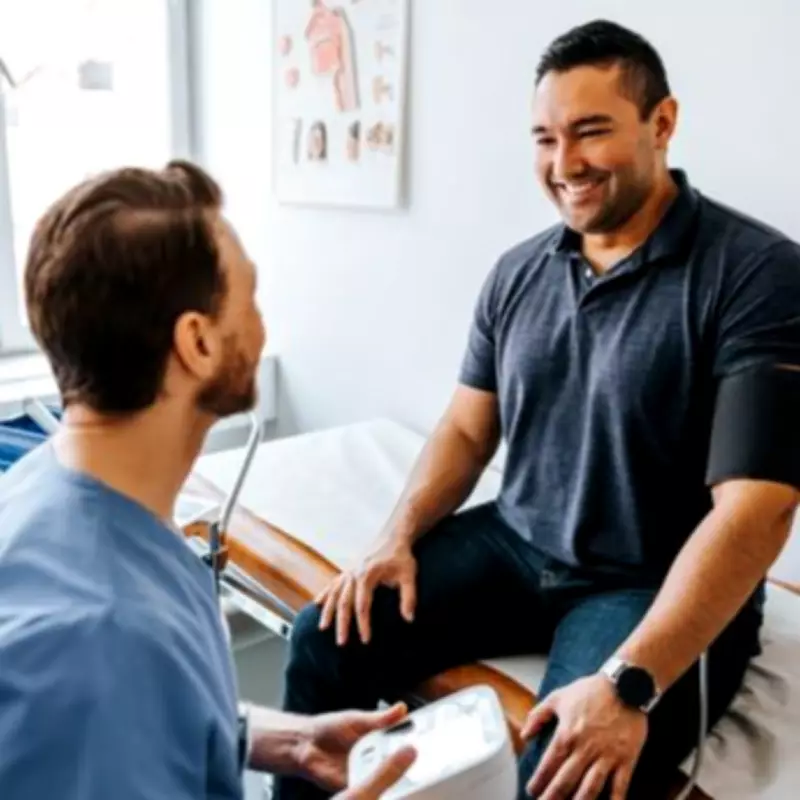
People in England have a new opportunity to combat a major health threat with a free and accessible screening service. Those born in 1986 or later are now among the latest eligible groups to receive a complimentary blood pressure test, often dubbed a check for the 'silent killer' due to its symptomless nature.
Eligibility and Access Points
Under the NHS Community Pharmacy Blood Pressure Check Service, individuals can qualify for a free test if they are over 40, reside in England, have not had a professional blood pressure check in the past six months, and do not already have a hypertension diagnosis. For those under 40, eligibility may still apply if there is a family history of high blood pressure or if referred by a GP.
Convenient locations for these tests include GP surgeries, participating community pharmacies such as Lloyds Pharmacy and Well Pharmacy, and pharmacy counters within major supermarkets like Asda and Tesco. Some workplaces also offer this service, making it easier than ever to get checked without a doctor's appointment.

Why Hypertension Is a Critical Concern
High blood pressure, or hypertension, affects approximately one in three adults in the UK, with statistics from Blood Pressure UK showing 31% of men and 26% of women in England have the condition. It is a leading risk factor for serious health issues, including heart attacks, strokes, kidney disease, and vascular dementia, often progressing unnoticed until severe damage occurs.
Factors that increase the risk of developing high blood pressure include advancing age, family history, ethnicity (with higher risks for Black African, Black Caribbean, or South Asian backgrounds), an unhealthy diet high in salt, being overweight, smoking, excessive alcohol consumption, and chronic stress.
Managing and Preventing High Blood Pressure
Early detection through regular checks is crucial, as hypertension typically presents no symptoms. In rare cases, it may cause headaches, blurred vision, or chest pain, but these are non-specific and could indicate other problems. The only reliable way to diagnose it is via a blood pressure test, which is quick and painless, taking just a few minutes.
To manage or lower blood pressure, experts recommend lifestyle changes such as adopting a balanced diet low in salt, engaging in at least 150 minutes of moderate exercise weekly to aid weight loss, quitting smoking, reducing alcohol intake, and managing stress. Medication may also be prescribed by a doctor if necessary.
By taking advantage of these free checks, especially at accessible locations like supermarkets, individuals can proactively safeguard their health and reduce the risks associated with this pervasive condition.