
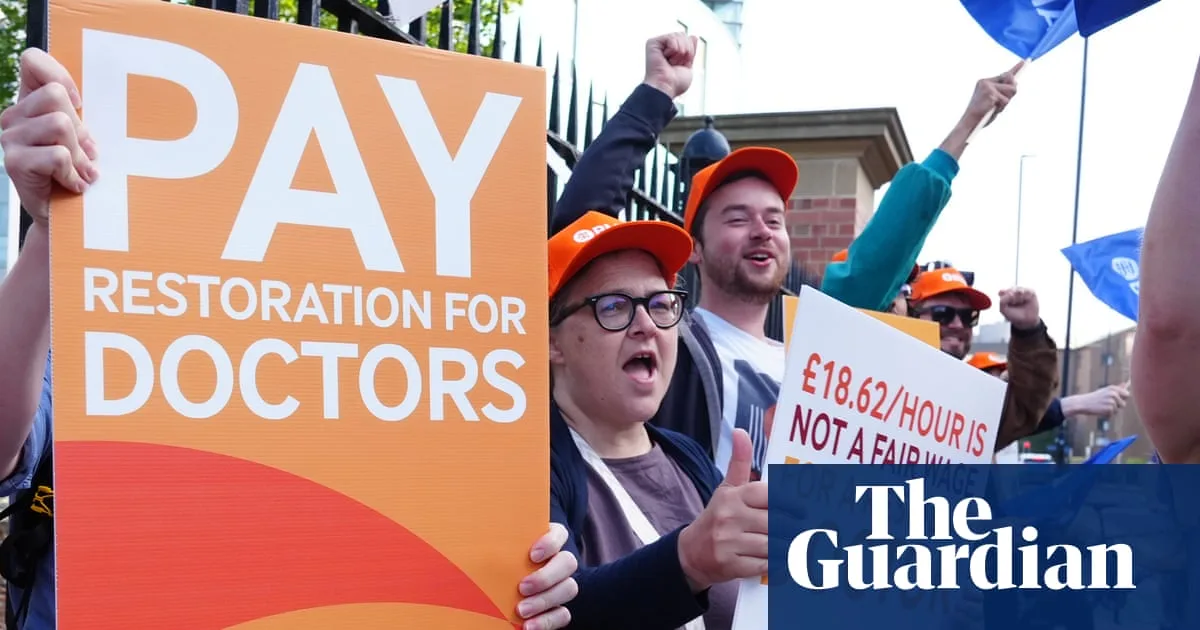
Resident doctors in England will proceed with a five-day strike starting Wednesday after overwhelmingly rejecting the government's latest pay and jobs offer. The British Medical Association (BMA) announced that 83% of voting members opposed the deal, with a 65% turnout among the 55,000 doctors represented.
The strike, the 14th since March 2023, will run from 7am Wednesday to 7am Monday, coinciding with the NHS facing early winter pressures from a severe flu outbreak. Health Secretary Wes Streeting condemned the action as 'self-indulgent, irresponsible and dangerous', warning it could cause the NHS to collapse at a critical time.
The rejected offer, proposed by Streeting last week, included increased training places but no pay rise for the current financial year. The BMA dismissed it as 'too little, too late', with chair Dr Jack Fletcher stating the health secretary 'fumbled his opportunity to end industrial action'. Resident doctors seek a 26% pay increase over several years to restore salaries to 2008-09 levels, despite having received a 28.9% rise over the past three years.
Prime Minister Keir Starmer called the strike 'frankly beyond belief' given NHS pressures. Streeting accused the BMA of 'scaremongering' and prioritising a 'fantasy demand' over patient safety. The BMA maintains the strike is avoidable if the government presents a credible offer addressing pay and job concerns.




