UK Welcomes First Baby Born from Deceased Donor Womb Transplant
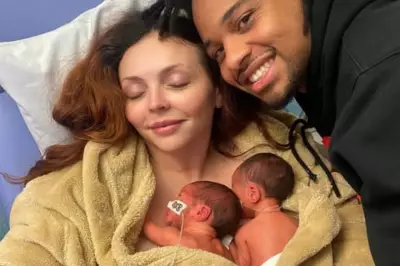
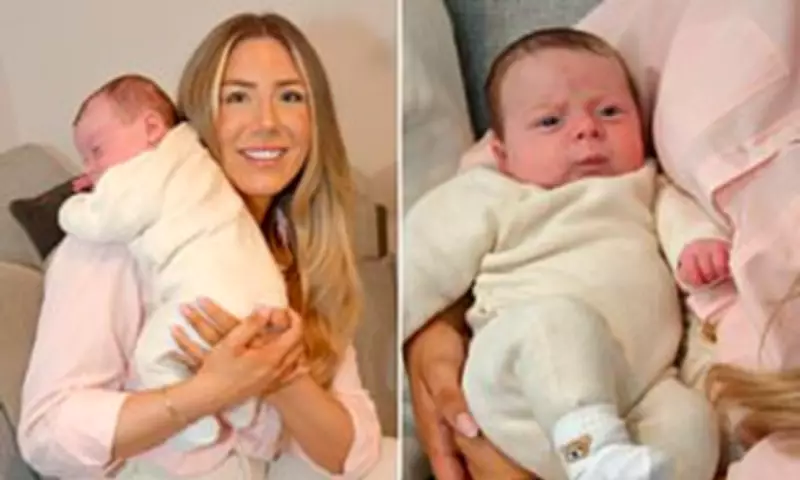
In a landmark medical achievement, a baby boy has become the first child in the United Kingdom to be born to a mother who received a womb from a deceased donor. Hugo Powell was delivered via caesarean section at Queen Charlotte's and Chelsea Hospital in London during December, weighing a healthy 6 pounds and 13 ounces, equivalent to 3.1 kilograms.
A Historic Medical First for the Nation
This transplant represents the inaugural birth in the UK utilising a womb from a deceased donor, with merely two prior cases documented across Europe. Last year, surgeons celebrated the UK's first baby born from a womb transplant involving a living donor, highlighting rapid advancements in reproductive medicine.
In this groundbreaking case, Hugo's mother, Grace Bell, an IT programme manager, was born with Mayer-Rokitansky-Kuster-Hauser syndrome, commonly known as MRKH. This rare condition results in an underdeveloped or entirely absent womb, presenting significant challenges for natural conception.

The Family Behind the Miracle
His father, Steve Powell, works in the finance sector, and the couple, both in their thirties, reside in southern England. Ms Bell, diagnosed with MRKH at the age of sixteen, expressed overwhelming joy, stating, 'It's simply a miracle. I never, ever thought that this would be possible. I'm the happiest I have ever been in my life.'
She emphasised her daily thoughts of the womb donor and the profound generosity of the donor's family. 'There are no words to say thank you enough to my donor and her family,' Ms Bell added. 'I hope they know that my child will always know of their incredible gift, and the miracle that brought him into this world. A part of her will live on forever.'
The Donor's Legacy of Life
Remarkably, five other organs from the same donor were transplanted into four individuals, saving multiple lives. The donor's parents shared their poignant perspective, noting, 'Losing our daughter has shattered our world in ways we can barely put into words. The grief is overwhelming and the ache of her absence is something we will carry forever.'
They continued, 'Yet even in this unimaginable pain, we've found a small measure of solace in knowing that her final act, her choice, was one of pure generosity. Through organ donation, she has given other families the precious gift of time, hope, healing and now life.'
The parents urged others to consider donation, stating, 'We urge others to consider donation so that more people in desperate need may be given the chance to live, just as our daughter so selflessly wished.'
Global Context and Surgical Details
Globally, approximately twenty-five to thirty babies have been born from deceased womb donations. Typically, more than two-thirds of womb transplants involve living donors, while a third originate from deceased donors, underscoring the rarity and significance of this case.
Isabel Quiroga, consultant surgeon and clinical lead for organ retrieval at the Oxford Transplant Centre, part of Oxford University Hospitals, performed the extensive seven-hour womb transplant on Ms Bell in 2024. Several months later, Ms Bell underwent fertility treatment at The Lister Fertility Clinic in London.
Miss Quiroga remarked, 'It has been a long journey, and certainly we are delighted, especially for our patient, who's been in our programme for a good number of years. Her dream has been to be a mother, so we are totally elated.'
Future Considerations and Broader Impact
Ms Bell and Mr Powell may opt for a second baby, after which surgeons will remove the transplanted womb. If left in place, Ms Bell would face a lifetime of immunosuppressant drugs, which carry associated health risks.
The charity Womb Transplant UK has now performed and funded five womb transplants in the UK – two involving living donors and three using deceased donors. Two babies have been born, while three transplant patients have not yet had a baby but are undergoing private in vitro fertilisation.

Hugo's birth follows the UK's first womb transplant in 2023, which involved Grace Davidson, another MRKH patient, receiving a womb from her older sister, Amy, in a living donation. Transplants from deceased donors only occur when families of the deceased are specifically asked if they wish to donate the womb.
Becky Clarke from NHS Blood and Transplant commented, 'We are very grateful to any families who choose to give the additional consent for donation to this programme.'