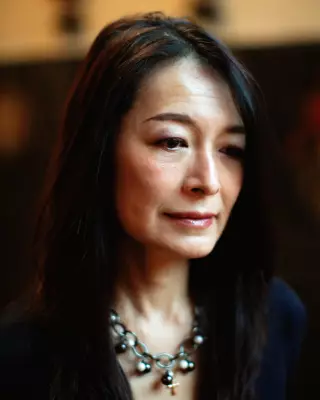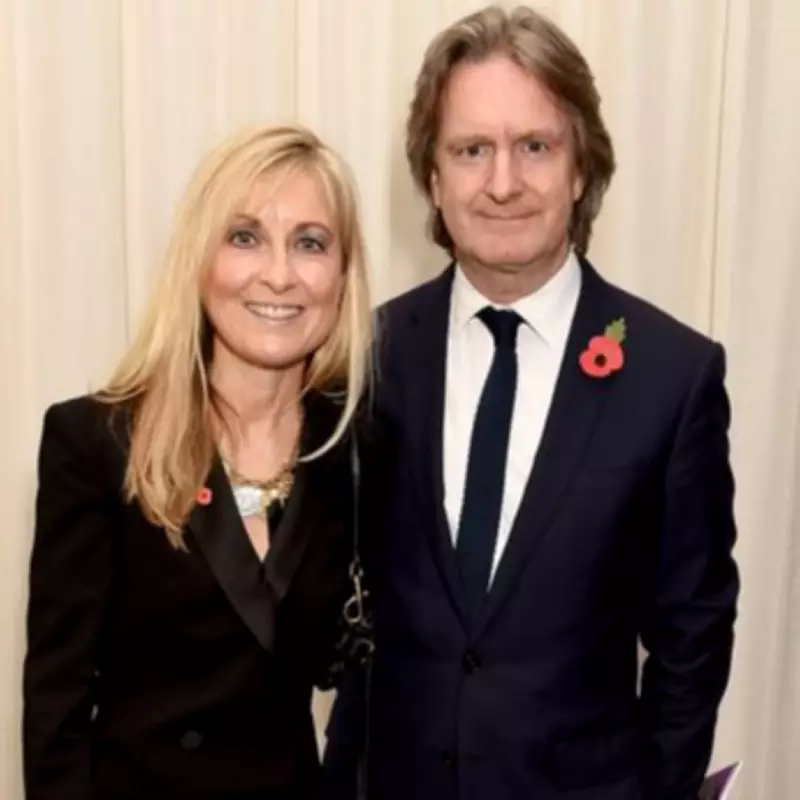
Martin Frizell, the husband of retired journalist Fiona Phillips, has delivered a profoundly moving update regarding his wife's ongoing battle with Alzheimer's disease. The 65-year-old former broadcaster, who received her diagnosis of the progressive neurodegenerative brain disorder in 2022, has experienced a significant shift in her emotional state, according to her devoted spouse.
A Courageous Voice Silenced
Fiona Phillips, who courageously documented her early experiences with Alzheimer's in her 2025 book Remember When: My Life with Alzheimer's, has now withdrawn from discussing her condition. "The book that she wrote last year was... she absolutely was talking about it," Martin explained during an emotional interview. "But now her way of dealing with it, and everyone is different, is she doesn't want to talk about the A-word. And we don't."
From Fearless to Frightened
Perhaps the most poignant revelation from Martin concerns the transformation in Fiona's fundamental personality. "She is now 'frightened' where she used to be fearless," he shared, his voice heavy with emotion. This stark contrast highlights the devastating impact Alzheimer's has wrought upon the once dynamic television personality, who is also battling chronic depression—a common symptom accompanying the disease.

Memories Fading Away
The progressive nature of Fiona's condition has become increasingly evident in recent months. Martin disclosed that she no longer remembers significant events, including Christmas 2025 and New Year celebrations. "She doesn't remember Christmas now, she doesn't remember New Year," he stated during an appearance on Lorraine. "I don't want to give the impression she's some sort of basket case. She's very much with us. She is still the world's most stubborn woman and still around the house."
Daily Challenges and Dignity
Martin provided heartbreaking insights into their daily reality, describing how simple activities have become overwhelming challenges. "There's no way I could drive or we could take public transport as Fiona now rarely understands where she is going or why," he explained. "Constantly asking what is happening, probably four or five times a minute on loop for the entire journey."
During one particularly difficult taxi journey, Martin admitted he nearly asked the driver to return them home. "Fiona's only safe place—as the stress was unbearable," he recalled. "But of course that self-pity pales into insignificance compared to what Fiona was going through."
The erosion of Fiona's former vibrant personality has been especially painful to witness. "She's still there, but day by day, we can see it slipping away," Martin said. "Just to sit there and see this person who was, as you know, the most dynamic, bubbly, and had so much pride in how she dressed and what she did, it's just a loss of dignity."
A Husband's Heartbreaking Perspective
In a moment of raw honesty that shocked many, Martin previously expressed that he sometimes wishes Fiona had cancer instead of Alzheimer's. "She doesn't know what day it is, what her postcode is, what season it is—it's watching that woman disappear gradually before your eyes," he revealed during an appearance on BBC Breakfast.
The Weight of Caregiving
Martin, who formerly served as editor on ITV's This Morning, also opened up about the immense emotional burden he carries as a caregiver. "My family are going through enough. I feel guilty being here, subconsciously you feel you should be there all the time," he confessed. "I go to a café where there's only an hour parking allowed so I don't stay long. My respite is still working—and I'm working out for the seven nights how I can organise the care. Every second I'm away I feel guilty."
A Campaign for Change
Despite the personal tragedy unfolding in his own family, Martin has channeled his experience into advocacy. He emphasized the critical importance of early detection, noting that while it's too late for Fiona, early intervention can significantly improve quality of life for others. "If Alzheimer's is caught early, the person's quality of life is better," he stated. Though acknowledging there is currently no cure, Martin continues to campaign for systemic changes that might benefit future patients and their families.

The entire situation has been described as "wretched" for both Fiona and her family, yet through their public sharing of this painful journey, they have brought unprecedented attention to the realities of living with Alzheimer's disease. Their story serves as both a heartbreaking personal account and a powerful call for greater understanding, research, and support for those affected by neurodegenerative conditions.