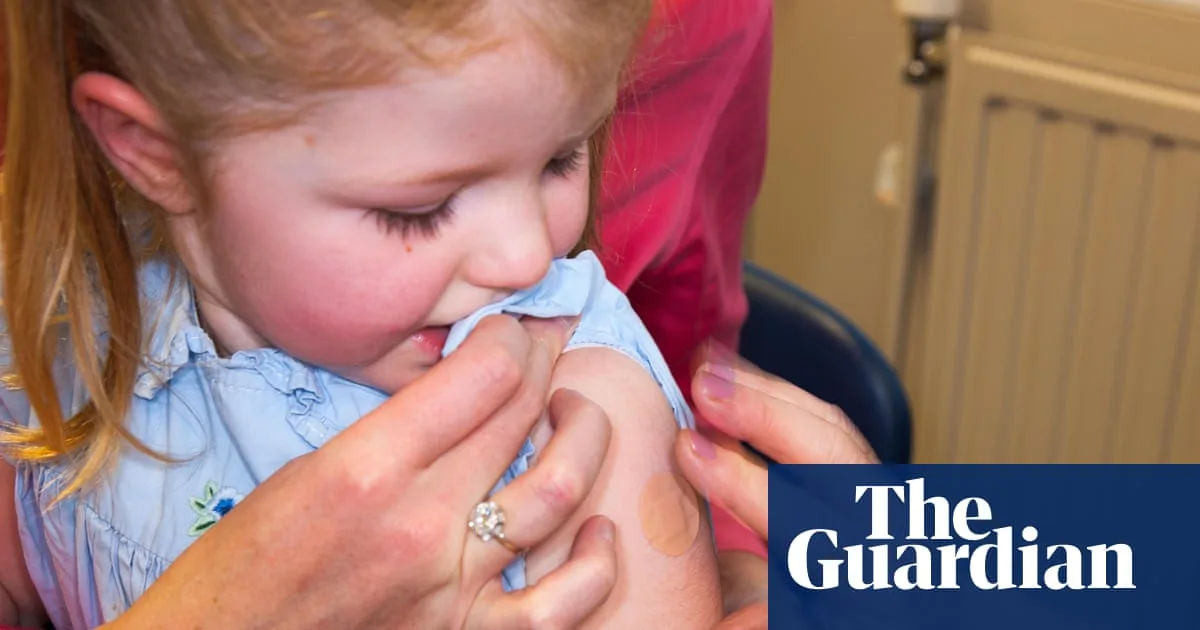
Falling Measles Vaccination Rates Spark Public Health Crisis in the UK
A concerning drop in measles vaccination rates across the United Kingdom is creating a perfect storm for potential outbreaks, with health officials warning of terrifying consequences for families and communities. The decline in immunisation coverage, particularly among young children, has reached critical levels in some regions, leaving populations vulnerable to a highly contagious and dangerous disease.
The Alarming Statistics Behind the Vaccination Decline
Recent data reveals that measles vaccination rates have fallen below the 95% threshold recommended by the World Health Organization for herd immunity in multiple areas of the UK. This decline represents a significant reversal of decades of progress in eliminating measles through widespread immunisation programs. Health experts attribute the drop to various factors including vaccine hesitancy, misinformation campaigns on social media, and disruptions to routine healthcare services during recent public health emergencies.
The consequences of this vaccination gap are already becoming apparent, with several measles outbreaks reported across the country in recent months. These outbreaks have disproportionately affected communities with lower vaccination rates, putting unvaccinated children at particular risk of severe complications.
Measles: A Serious Threat to Children's Health
Measles is far from a benign childhood illness, as some mistakenly believe. The virus can lead to serious complications including pneumonia, encephalitis (brain swelling), and in rare cases, death. Young children, pregnant women, and individuals with compromised immune systems are especially vulnerable to severe outcomes from measles infection.
"When vaccination rates fall, we see measles return with devastating consequences," explains Dr. Sarah Chen, a paediatric infectious disease specialist. "I've treated children with measles complications that have left them with permanent disabilities. These are preventable tragedies that no family should endure."
The Ripple Effects on Families and Communities
The impact of measles outbreaks extends beyond individual health consequences:
- Family disruption: Infected children require isolation and intensive care, disrupting family routines and often requiring parents to take extended time off work
- Healthcare strain: Outbreaks overwhelm local health services, diverting resources from other essential medical care
- Educational interruption: School closures and exclusion of unvaccinated children during outbreaks disrupt learning for entire classrooms
- Financial burden: Medical costs and lost income create significant financial strain for affected families
- Community division: Vaccination status becomes a source of tension within communities and social circles
Addressing Vaccine Hesitancy and Restoring Confidence
Public health authorities are implementing multi-pronged strategies to reverse the vaccination decline:
- Enhanced education campaigns providing clear, evidence-based information about vaccine safety and efficacy
- Improved access to vaccination services through extended clinic hours and community outreach programs
- Training healthcare providers to address parental concerns and counter misinformation effectively
- Collaboration with schools and community organisations to promote immunisation as a collective responsibility
- Monitoring and rapid response systems to contain outbreaks before they spread widely
The UK's experience with falling vaccination rates serves as a cautionary tale for other nations. As Dr. Chen emphasises, "Vaccination isn't just a personal choice—it's a community responsibility. When enough people are immunised, we protect those who cannot be vaccinated due to medical reasons. That protection is breaking down, and families are paying the price."
With measles cases rising across Europe and North America, the UK's vaccination challenge reflects a broader global trend that requires urgent attention from policymakers, healthcare providers, and communities alike to prevent a return to pre-vaccine era disease burdens.






