Dr Amir Khan Issues Stark Warning on Menopause, Criticising Societal Expectations
Well-known television doctor Amir Khan has shared what he describes as "shocking" truths about menopause, arguing that women are often "just expected to get on with it" while facing significant health challenges. The GP, famous for his appearances on ITV, emphasised that if a comparable hormonal shift occurred in men, it would likely be treated as a "national emergency."
The Dramatic Drop in Oestrogen Levels
In a recent video posted on Instagram, Dr Khan detailed the profound impact of oestrogen loss during menopause. He explained that after menopause, many women actually have lower oestrogen levels than men, a fact he finds startling. "Because men keep making a bit of oestrogen throughout life, they convert some of their testosterone into oestrogen using an enzyme called aromatase," he said. "But in women at menopause, the ovaries basically retire and oestrogen falls off a cliff."
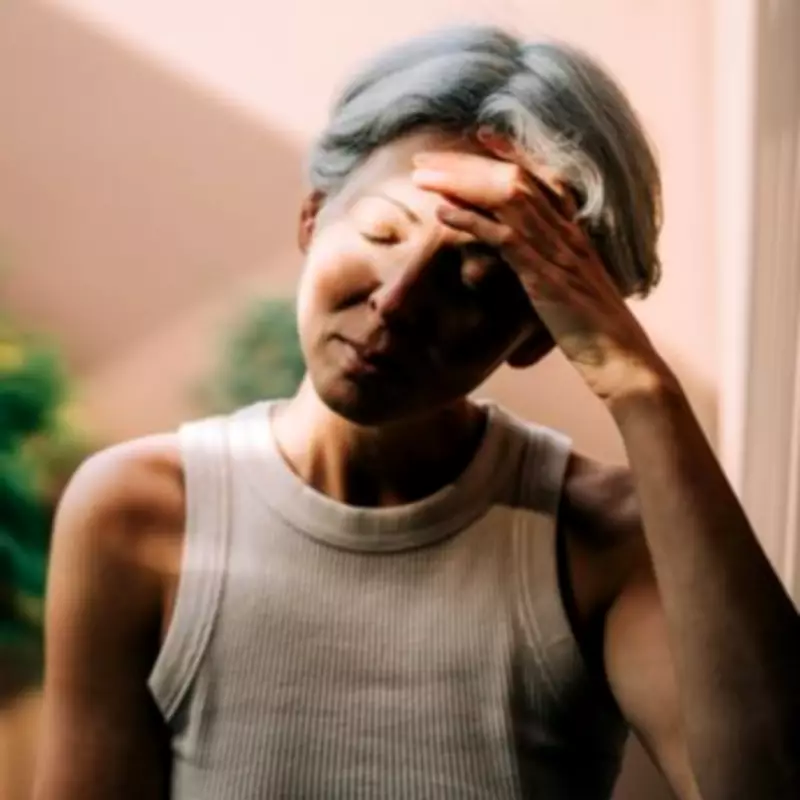
Dr Khan highlighted the critical roles oestrogen plays in women's bodies, noting it keeps skin plump and collagen-rich, maintains healthy vaginal and bladder tissues, protects bones, supports brain function and mood, helps regulate temperature, and even affects sleep and libido. When oestrogen drops, symptoms can include hot flushes, brain fog, joint aches, vaginal dryness, low mood, and poor sleep.

A Call for Greater Recognition and Support
The doctor's message resonated strongly with many women in the comment section of his post. One woman expressed a wish for him to be her GP, praising his support and sharing her own experience of having "not one bit of oestrogen left and every symptom going." Another commenter agreed, stating that if men had to undergo procedures like hysteroscopies or coil removals without pain relief, there would be a national outcry. A third woman recounted a conversation with her partner, who acknowledged that if men faced similar hormonal challenges, "the world would fall apart."
Hormone Replacement Therapy (HRT) as a Potential Solution
To manage the symptoms caused by oestrogen loss, some women turn to hormone replacement therapy (HRT). This treatment, available on the NHS, replaces oestrogen and progesterone, which decline during menopause. HRT can help alleviate symptoms such as hot flushes, night sweats, sleep problems, mood swings, anxiety, low mood, and vaginal dryness.
The NHS defines menopause as when periods stop due to lower hormone levels, typically affecting women between ages 45 and 55, though it can occur earlier. Oestrogen and progesterone are essential for period cycles, ovulation, pregnancy, and bone health. HRT usually involves a combination of oestrogen and progestogen, or oestrogen alone for those who have had a hysterectomy.
Important Considerations and Limitations of HRT
However, HRT is not suitable for all women. It may be contraindicated for those with a history of breast cancer, ovarian cancer, or womb cancer; a history of blood clots (where patches or gels might be preferred over tablets); untreated high blood pressure; liver disease; or pregnancy. The NHS advises consulting a GP if you are over 45 and experiencing menopause symptoms while considering HRT, or under 45 with symptoms, which could indicate premature or early menopause.
Dr Khan's advocacy underscores a broader need for increased awareness and support for women navigating menopause, challenging societal norms that often minimise their experiences.