Britain's National Health Service faces the prospect of six additional months of industrial action as militant resident doctors begin voting on whether to extend their strike mandate until August 2024.
The Pay Dispute Intensifies
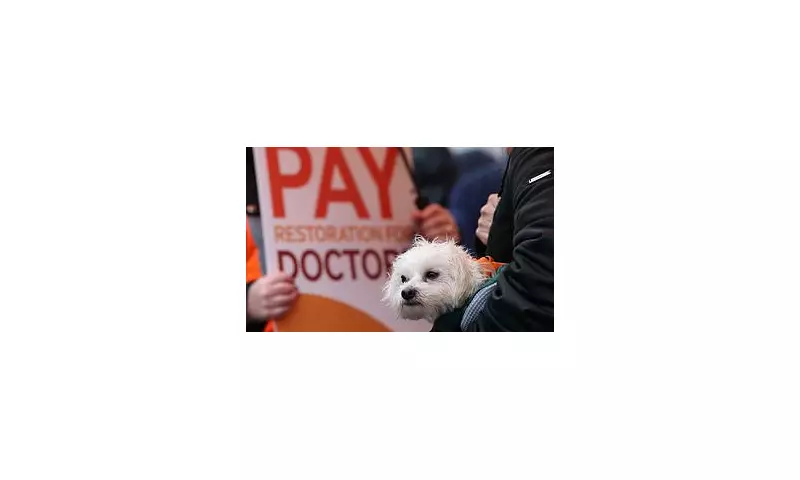
The British Medical Association is asking its members to authorise continued strike action as they pursue a 26 per cent pay increase, despite having received a 28.9 per cent pay rise over the past three years. The ballot, which runs from December 8 until February 2, could grant the union authority to call strikes throughout the spring and summer months.
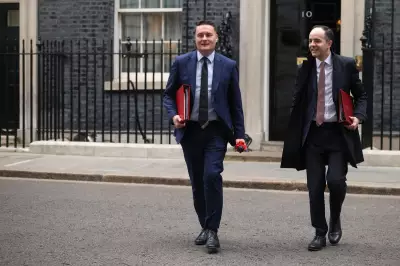
Health Secretary Wes Streeting has launched a scathing attack on the BMA, describing their actions as "morally reprehensible" and accusing the union of operating like a "cartel" attempting to "hold the country to ransom". Mr Streeting has made direct appeals to doctors, writing to them before their last strike earlier this month and urging them to cross picket lines.

Mounting Costs and Service Impacts
The financial toll of the strikes has been staggering, with each five-day walkout costing the health service approximately £300 million. These unplanned expenses have forced hospital trusts to make difficult decisions about frontline services.
Dr Layla McCay, director of policy at the NHS Confederation, expressed deep concern about the potential consequences of further strikes. "We know that strikes have had a major financial impact on the NHS already," she said. "Future strikes will force NHS leaders to make difficult choices, including reducing staff and patient services to try and balance the books."
Health service leaders warn that paying consultants overtime to cover for striking colleagues is creating unmanageable holes in hospital budgets, potentially leading to reductions in essential services.
Union Under Fire
The BMA faces accusations of hypocrisy after offering its own staff a pay rise of just 2 per cent, sparking a formal dispute with the GMB union that represents most of its employees. This development comes as support for strike action appears to be waning among doctors, with fewer than half of eligible voters backing walkouts in the last ballot.
Despite the challenges, Dr Jack Fletcher, chairman of the BMA's resident doctors' committee, maintains that extended strike action should be unnecessary. "We should have been able to put this dispute to bed months ago with a responsible deal on jobs and pay," he stated.
The most recent industrial action by resident doctors occurred from November 14 to 19, further disrupting NHS services and hampering efforts to reduce waiting lists that have plagued the health service since the pandemic.