A veteran NHS cardiologist has thrown his weight behind proposed assisted dying legislation, citing his own experience of administering pain-relieving drugs knowing they could hasten a patient's death to end "horrific" suffering.
A Lifelong Witness to Death
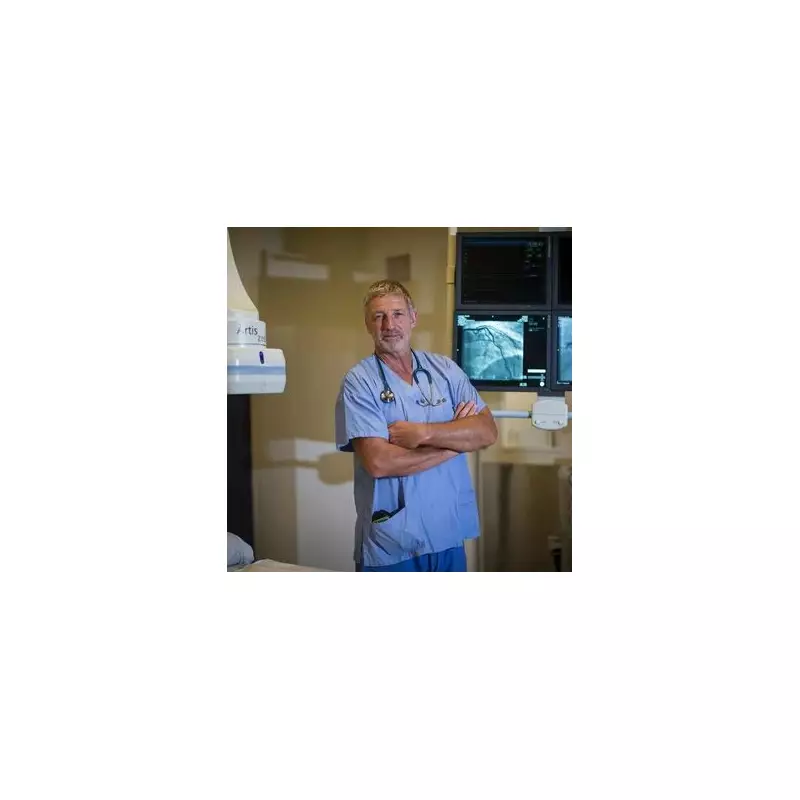
Dr Liam Hughes, 72, who recently retired after more than 40 years in the health service, told of his frontline encounters with death. While he stressed that most people experience a peaceful end, he described some deaths as "frightening, horrific, and grotesque."
"I've had a lifelong involvement with end-of-life care of people in hospital," Dr Hughes explained. "I just want people to die surrounded by love, not fear."

The 'Double Effect' in Practice
The retired medic detailed a specific case from 45 years ago involving a father in his forties with advanced cancer, a bowel obstruction, and gangrene in his legs. After the patient looked him in the eye and said "I've had enough," Dr Hughes took action.
He administered "a very large dose" of painkillers via a syringe driver, fully aware that increasing the medication could shorten the man's life. The patient died peacefully five hours later.
Dr Hughes said his intention was solely to alleviate unbearable suffering, an act falling under the long-accepted 'doctrine of double effect'. This ethical principle justifies giving drugs like morphine to relieve symptoms, even with the known risk of potentially hastening death, because the primary aim is pain relief, not to cause death.
Support and a Stark Warning
This practice is not unusual, according to Labour MP and retired NHS surgeon, Dr Peter Prinsley. "Every doctor who's looked after terminally ill patients... will have been involved in exactly the process," he stated.
However, Dr Hughes fears a new generation of doctors may be too apprehensive to make similar compassionate interventions for patients with "horrible symptoms." He worries they lack the continuity with patients to understand their wishes and may fear accusations of being "too aggressive" with medications.
He recalled a chilling incident where, decades later, he used the case as a teaching example for medical students, only to be told two students had complained to the police, alleging he had "killed somebody." The police never contacted him, but the experience highlighted a changing climate.
Dr Hughes, who helped raise over £2 million for cardiac services, now argues passionately for the Terminally Ill Adults (End of Life) Bill. He criticises the House of Lords for "filibustering" and questioning the rationality of choosing to end one's life.
"It is incredibly rational though if you know you’re dying and your body is failing you and you are existing, not living," he asserted from his home in France.
Opponents of the bill argue it could pressure vulnerable groups and that high-quality palliative care can manage symptoms. Yet, for doctors like Hughes who have looked into the eyes of patients in profound distress, the call for a legal, compassionate choice grows ever louder.