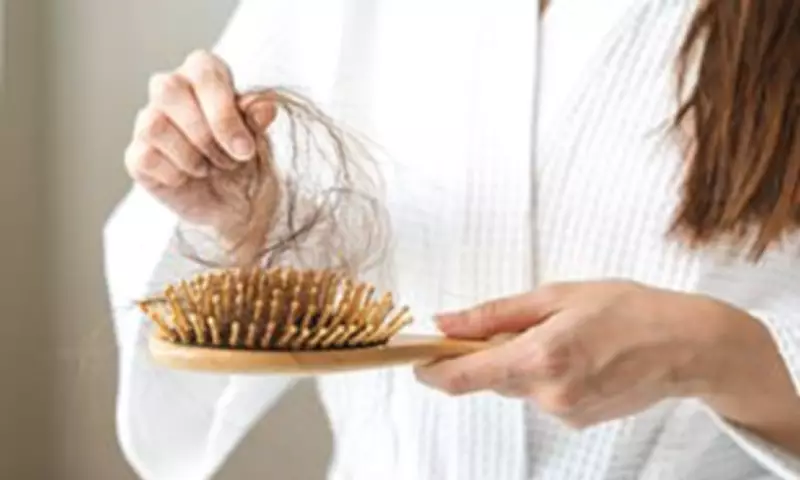
Hair loss is a growing concern among women, with many experiencing issues like excessive shedding in the shower or thinning temples from frequent styling. Experts note a worrying increase in cases, often driven by stress that perpetuates a relentless cycle. However, proactive steps can help prevent and treat hair loss early, starting with dietary adjustments.
Nutrient Deficiencies: A Primary Culprit
Leading trichologist Hannah Gaboardi identifies nutrient deficiencies, frequently caused by fad diets, as one of the most common triggers for hair loss in her clinic. She emphasises that many women suffer from low iron levels, particularly ferritin, which stores iron essential for cellular function, including hair follicles.
Without adequate vitamins and minerals such as zinc, iron, and Vitamin C, the body redirects energy to critical organs, depriving less vital cells and leading to hair loss. Gaboardi reassures that most individuals can maintain sufficient nutrient levels through diet alone, crucial as an estimated eight million women in the UK face some form of hair loss, especially with age.

Essential Foods for Hair Health
Gaboardi recommends incorporating specific foods to boost iron absorption and support hair growth. These include:
- Red meat, rich in haem iron that the body easily absorbs.
- Spinach paired with lemon juice to enhance iron uptake.
- Healthy fats from sources like salmon and pumpkin seeds, which provide omega-3 fatty acids for scalp health.
She notes that menstruating women are particularly prone to iron deficiency and advises combining iron intake with Vitamin C, alongside potential iron infusions for optimal levels. Additionally, Vitamin D is vital during the anagen phase of hair growth, making supplementation important in winter months.
Understanding the Hair Growth Cycle
Hair grows through a four-phase cycle: anagen (active growth), catagen (transition), telogen (resting), and exogen (shedding). The anagen phase, lasting 3–5 years, involves rapid cell division at the root, producing about half an inch of growth monthly. This phase naturally shortens with age, affecting hair density.
Protein and Other Dietary Factors
A lack of protein can lead to brittle hair, breakage, and split ends. Gaboardi explains that hair is primarily composed of keratin, a protein the body must synthesise from amino acids in dietary protein. Insufficient protein intake can cause telogen effluvium, a type of hair loss also triggered by nutrient deficiencies and stress.
Environmental factors like heat damage and tight hairstyles, such as slick-back styles, contribute to traction alopecia through breakage. Gaboardi suggests evaluating your diet if hair becomes dry, thin, or dull, ensuring adequate protein, healthy fats, iron, and B vitamins.
Foods to Avoid for Healthy Hair
Gaboardi warns against ultra-processed foods high in refined sugars, which can inflame the body, disrupt hormones, and deplete essential nutrients needed by follicles. Refined sugars spike insulin levels, potentially increasing androgen activity and thinning hair in those prone to pattern loss.
Androgens, male sex hormones involved in hair regulation, can cause thinning and shorten growth phases when imbalanced. Diets high in trans fats and fried goods also promote inflammation, impairing scalp circulation and follicle function.
While moderate alcohol consumption may not directly cause hair loss, excessive intake can hinder nutrient absorption, leading to deficiencies in folic acid, vitamin B12, and calcium, all crucial for hair health.
Aging and Hormonal Changes
As women age, declining oestrogen levels shift hair into shorter growth phases and increased shedding. Although a nutrient-rich diet cannot reverse hair loss, Gaboardi asserts it can stimulate growth and preserve hair by supporting overall follicle health.
Ultimately, while severe conditions like alopecia require medical attention, Gaboardi stresses that healthy hair begins internally with balanced nutrition. Consulting a GP is advisable at the first signs of hair loss to tailor a personalised approach.