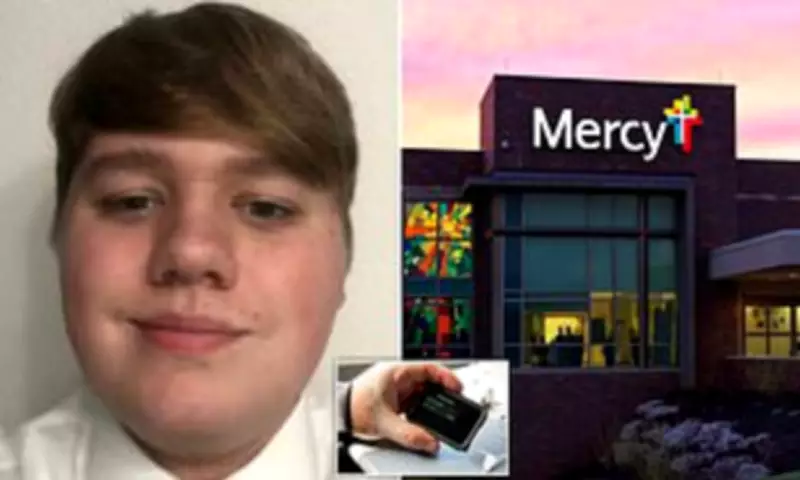
Diabetic Man's Pleas for Help Ignored as Medics Dismiss Breathing Crisis as Hyperventilation
A tragic case of alleged medical negligence has emerged from Missouri, where a young diabetic man died after hospital staff reportedly dismissed his severe breathing difficulties as simple hyperventilation. George Lubrano, aged 24, passed away on December 16, 2024, following a harrowing five-hour wait in the emergency room of Mercy Hospital in Springfield.
Lawsuit Details Alleged Systemic Failures in Care
According to a medical malpractice and wrongful death lawsuit filed by Lubrano's parents, John and Michelle, in Greene County Circuit Court, their son arrived at the ER reporting critically high blood sugar levels accompanied by vomiting and lower back spasms. Despite these alarming symptoms, staff allegedly failed to provide timely intervention, instead attributing his labored breathing to hyperventilation.
The legal complaint paints a disturbing picture of escalating medical crisis met with inadequate response. Lubrano, who required both an insulin pump and continuous glucose monitoring for his Type 1 diabetes, reportedly informed nurses multiple times that he could not breathe properly. Medical records allegedly indicated his blood sugar was "over high" with notes stating he needed immediate transfer to a treatment room, yet no such action was taken for hours.

Critical Hours of Deterioration Without Intervention
The sequence of events detailed in the lawsuit reveals a progressive deterioration that went unaddressed:
- Lubrano arrived at the hospital around 1:30 PM reporting severe symptoms
- By 2:30 PM, he had not been attended and was telling nurses he could not breathe
- A nurse assessed him but allegedly attributed his breathing difficulties to hyperventilation
- Around 3:30 PM, he again reported breathing problems, with staff again dismissing them as hyperventilation
- His glucose monitor began malfunctioning around 4:30 PM
- He reported weakness and that his insulin pump had not been working for over 45 minutes
- Despite severe symptoms including rapid breathing and difficulty speaking, he remained unexamined by a physician
"He started making gurgling sounds, lost his pulse, became unresponsive, went into cardiac arrest, and the nursing staff called a code," the lawsuit states regarding the final moments before emergency measures were initiated.
Failed Resuscitation Attempts and Fatal Outcome
When Lubrano was finally taken to a treatment room around 5:35 PM, his condition had deteriorated beyond recovery. Medical staff attempted resuscitation with CPR and multiple rounds of IV epinephrine, but these efforts proved unsuccessful. The lawsuit further alleges that during intubation attempts, the airway tube was initially misplaced into his esophagus rather than his nasopharyngeal airway.
Lubrano was pronounced dead at 6:01 PM. The cause of death was attributed to complications from diabetic ketoacidosis, a potentially life-threatening condition that occurs when the body cannot produce sufficient insulin. According to medical experts cited in the filing, this condition can typically be treated with "fairly non-invasive measures and reversed within hours" when addressed promptly.
Family Seeks Justice and Hospital Responds
Lubrano's parents maintain that their son's death was entirely preventable had "good, safe, and timely medical choices" been made by hospital staff. Their lawsuit seeks damages for monetary losses, funeral expenses, and the profound personal losses including "companionship, comfort, instruction, guidance, counseling, training, support, love and affection."
A spokesperson for Mercy Hospital extended "heartfelt prayers and condolences" to the family while indicating the hospital would "continue to work with the family and their counsel to work toward a resolution." In a public obituary, Lubrano was remembered as a "gentle soul who made everyone around him feel comfortable and seen," highlighting the personal tragedy behind the legal proceedings.
This case raises serious questions about emergency room triage protocols and the recognition of diabetic emergencies, particularly in young patients presenting with complex symptoms that may be misinterpreted by medical staff.