Woman's Decade-Long Struggle with Undiagnosed PCOS
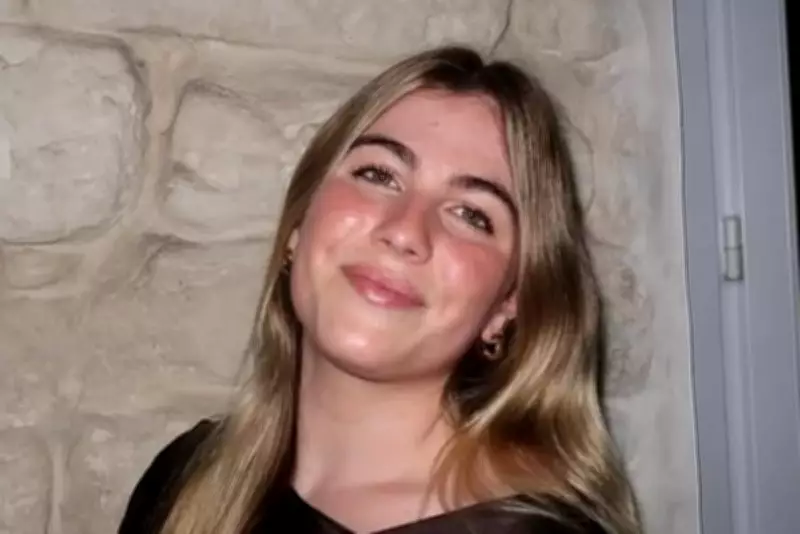
Olivia Ferro, a 26-year-old woman originally from Chicago, USA, has revealed how she suffered through a decade of agonising menstrual pain and irregular periods before finally receiving a diagnosis of polycystic ovary syndrome (PCOS). Her symptoms were repeatedly dismissed by medical professionals, leading to years of unnecessary suffering and confusion.
A Painful Journey Beginning in Adolescence
Ms Ferro's ordeal began at the age of 14 when she started experiencing severe stomach pains associated with her menstrual cycle. Initially, doctors brushed off her concerns, attributing them to normal hormonal changes. However, the situation escalated dramatically when she was 15. A burst ovarian cyst caused her appendix to become inflamed, necessitating an emergency appendectomy.
Despite this alarming incident, Ms Ferro continued to battle chronic pelvic pain and persistent bloating. At just 15 years old, she was prescribed birth control pills in an attempt to manage her symptoms. While this medication reduced the frequency of ovarian cysts, it failed to address the underlying issue. She continued to experience irregular and painful periods, along with significant inflammation that affected her daily life.

The Impact on Daily Life and Mental Health
The physical symptoms took a severe toll on Ms Ferro's quality of life. "I couldn't fit into any of my clothes, so that was really hard," she recalled. "You're going out with your friends and you want to look cute. I was never a really big girl but when you're having an inflammatory attack and you can't wear the pair of jeans that you look best in, it definitely affects how you feel for the night and affects your life."
The pain became so debilitating that it interfered with her education. "I'd miss classes at school and couldn't sit through stuff because my stomach pain or my pelvic pain was so extreme," she explained. "It affects your mental health a lot too – my body's failing me, and I can't participate in school."
Escalating Symptoms and Medical Confusion
By age 17, Ms Ferro's condition worsened significantly. She began experiencing episodes of severe nausea and vomiting, with her body "randomly" going into septic shock. Her white blood cell count would spike unpredictably, and she endured chronic stomach pain alongside extreme fatigue.
At 18, she underwent extensive testing including blood work and cardiac assessments. Doctors even suggested she might have a gluten allergy, but this theory failed to explain her full range of symptoms. Throughout this period, she continued to struggle with irregular periods, inflammatory attacks, and unexplained weight retention despite maintaining a healthy diet and exercise regimen.
Moving to London and Launching a Women's Health Company
After graduating from university in 2022, where she studied nutrition, communication and occupational science, Ms Ferro and her sister Chloe felt compelled to address gaps in women's healthcare. They initially launched a company in the US producing at-home tests for UTIs and yeast infections.
In September 2024, the sisters moved to London with plans to expand their business. There, they discovered what Ms Ferro describes as the "GLP-1 craze" – noting a lack of female-focused GLP-1 programmes in the UK. In December 2024, they launched SheMed, a company specialising in this area of women's health.
Finally Receiving a PCOS Diagnosis
Ironically, around the same time she was launching her women's health company, Ms Ferro's menstrual irregularities intensified. She began experiencing prolonged bleeding episodes lasting two weeks, followed by unpredictable cycles.
She decided to pursue private testing in the UK, undergoing hormone analysis and ultrasound examinations. When she presented these results to her NHS GP, she finally received the diagnosis that had eluded her for ten years: polycystic ovary syndrome.
According to NHS guidelines, PCOS is a common condition affecting ovarian function characterised by three main features:

- Polycystic ovaries
- Irregular periods
- Excess androgen (high levels of "male" hormones)
Other common symptoms include weight gain, fertility challenges, hair thinning, and acne. Looking back, Ms Ferro realised that "all my symptoms, apart from the sepsis, fit into this."
Finding Treatment and Recovery
After her diagnosis, Ms Ferro was advised to discontinue birth control to help regulate her hormones naturally. When discussing her ongoing weight loss difficulties and PCOS symptoms with her GP, she was suggested to try GLP-1 treatment privately.
While the NHS doesn't have specific guidance on using GLP-1 medication for PCOS treatment, they acknowledge that for overweight women, losing excess weight can significantly improve symptoms and reduce long-term health risks associated with the condition.
In summer 2025, Ms Ferro began GLP-1 treatment through her own company. The results have been transformative. She has lost over two stone (13.6kg), reducing from 11st 8lb (73.4kg) to 9st 6lb (59.8kg). Her testosterone levels have normalised, her fertility prospects have improved, and her menstrual cycles have become regular for the first time in years.
"They've made me feel more like myself," she said of the treatment.
Broader Implications for Women's Healthcare
Dr Sue Mann, NHS national clinical director for women's health, emphasised the support available: "The NHS offers a range of support for women with polycystic ovary syndrome, including mental health support, weight management and fertility services, and dedicated women's health hubs across the country providing specialist support in communities."
She added: "We know that for some women with PCOS weight loss and eating a healthy balanced diet can improve symptoms but if you are concerned or have questions, please contact your GP."
Ms Ferro's experience highlights the importance of patient advocacy in healthcare. "Sometimes you know your body better than anyone else," she concluded, "and if you know something isn't right you need to fight for it." Her decade-long journey from dismissed symptoms to diagnosis and effective treatment serves as both a cautionary tale and an inspiration for women facing similar health challenges.