
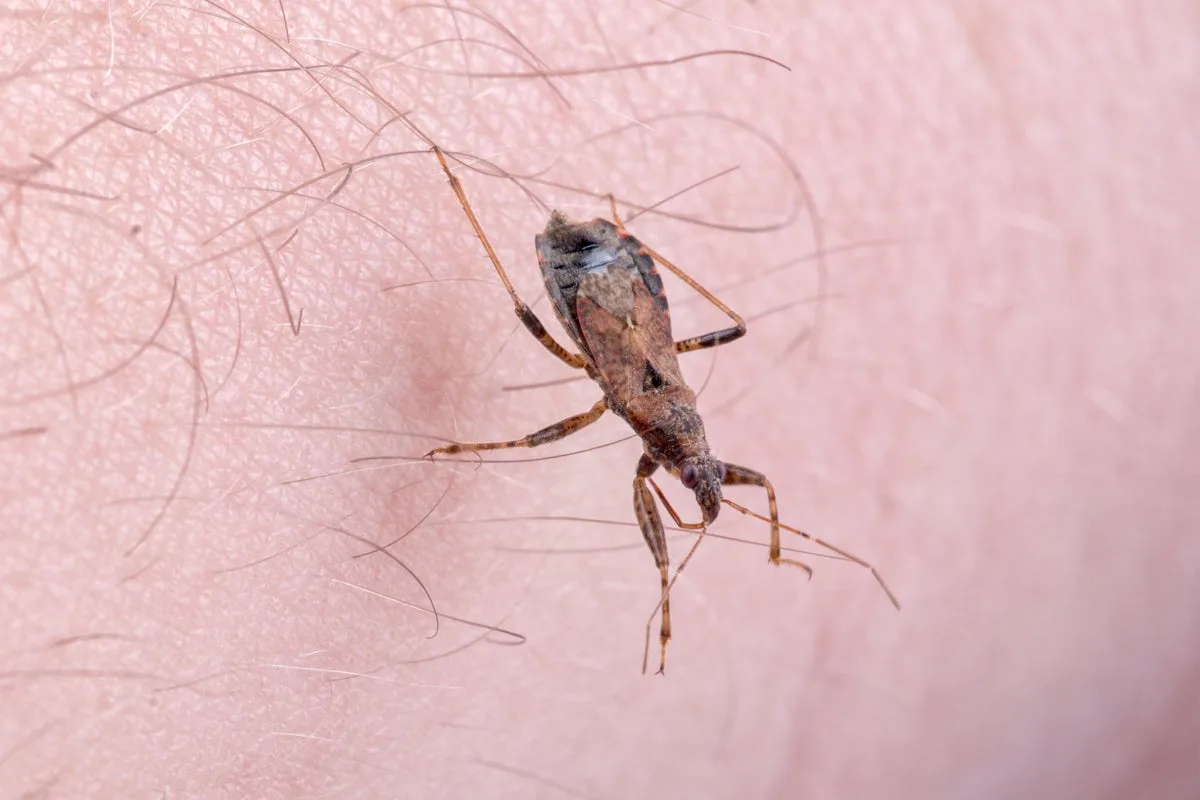
Health officials have issued a warning about Chagas disease, a potentially life-threatening parasitic infection spread by blood-sucking insects known as 'kissing bugs'. While primarily found in the Americas, the disease has been detected in 32 US states, raising concerns about its spread.
Chagas disease is caused by the parasite Trypanosoma cruzi, transmitted through the bite or feces of infected triatomine bugs. Symptoms in the acute phase include fever, fatigue, body aches, and eyelid swelling. However, 20 to 30% of infected individuals develop chronic complications such as heart failure, irregular heart rhythms, and sudden death, often years after infection.
According to the US Centers for Disease Control and Prevention, nearly 30 confirmed cases were reported in the US between 2000 and 2018, with the majority in Texas. Researchers have called for Chagas to be classified as endemic in the US to improve surveillance and public health responses.
The risk of contracting Chagas disease in the UK remains extremely low, but travellers to affected regions should be aware of the risks. The disease can also be transmitted through blood transfusions, organ transplants, and from mother to baby during pregnancy.
Diagnosis is made through blood tests, and treatment with drugs such as benznidazole or Lampit can kill the parasite, especially in children. For adults, management focuses on addressing symptoms and complications, which may include pacemakers or heart surgery.




