Gardens across the UK are in full bloom this July, but the work is far from over, according to gardening expert James Ewens at Green Feathers. He emphasises that the focus should be on both aesthetics and supporting wildlife, with essential tasks including deadheading, responsible watering, and feeding birds.
Deadheading, or removing faded flowers, from plants such as roses, cosmos, and dahlias encourages continued blooming and tidier borders. James advises spending a few minutes each week on this task, and recommends regularly picking sweet peas and weekly feeding for containers and hanging baskets.
Birds need supplementary feeding during July, as they are busy feeding young and active for longer daylight hours. James stresses responsible feeding: avoid foods that spoil quickly in heat, clean feeders weekly, use hanging feeders, and offer nutrient-rich options like sunflower hearts and mealworms. Keep bird baths topped up with fresh water.
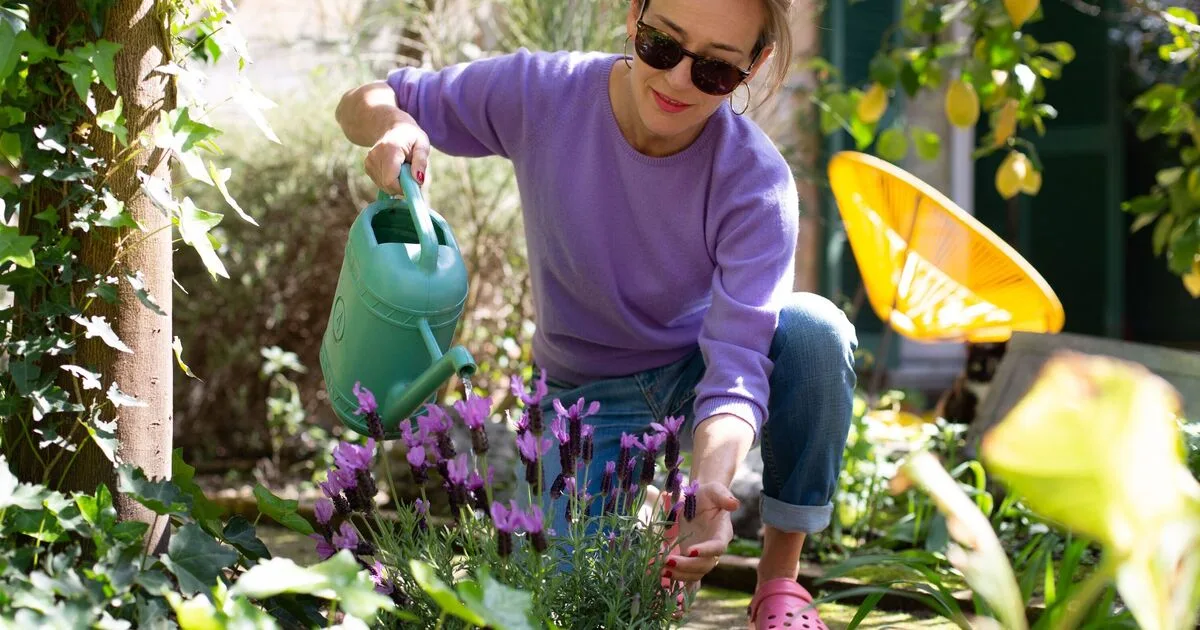
Watering should be done early morning or evening, with deep, less frequent watering preferred over little and often. Check soil moisture by sticking a finger in the ground. For pollinators, plant long-flowering favourites like lavender, helenium, and cosmos to provide reliable nectar sources.
Pests such as aphids and slugs peak in July, but James advises against chemicals. Instead, encourage natural predators like ladybirds, frogs, and birds by making the garden wildlife-friendly. This integrated approach will keep the garden healthy and productive throughout the rest of summer.