A Father's Harrowing Journey Through COVID and Sepsis
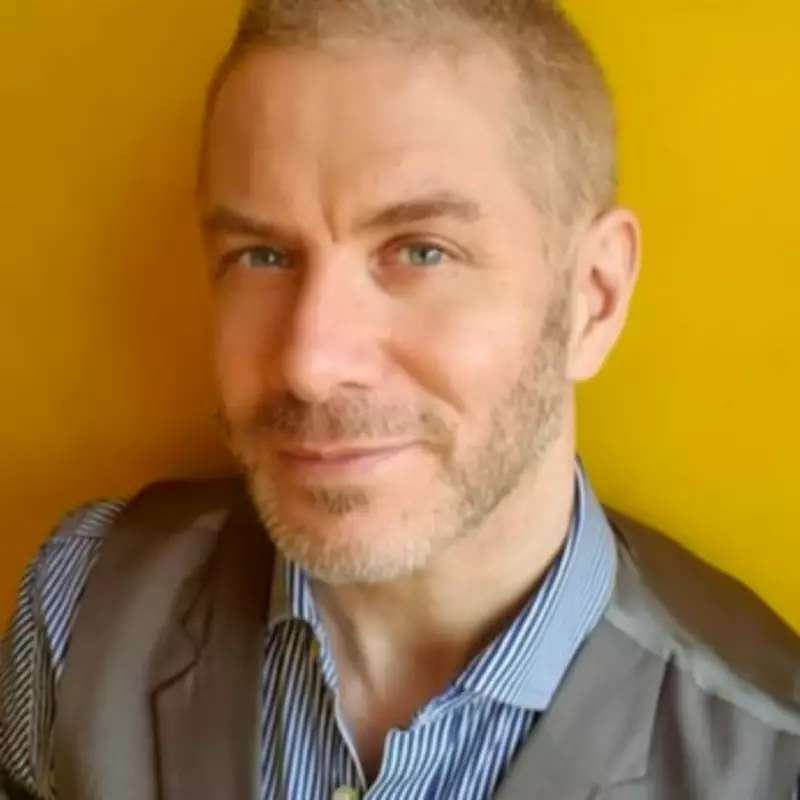
Finbarre Snarey, a 48-year-old father, endured a life-threatening ordeal that began with COVID-19 and escalated into a severe sepsis infection, leaving him with vivid hallucinations and a prolonged recovery. His story highlights the brutal aftermath of the pandemic and the resilience required to overcome such medical crises.
The Initial COVID Crisis
In June 2021, Finbarre, a non-smoking vegetarian in good health who rarely drinks alcohol, fell seriously ill after his children brought COVID-19 home from school. Despite having received two vaccinations, he experienced dizziness and alarming symptoms. "The first time I had COVID, it left my chest feeling like a rusty mattress. Breathing was horrific," he recalled.
When an ambulance was called, the wait was estimated at eight hours, prompting his wife, Nik, to take action. Using an oximeter at home, Finbarre watched his blood oxygen levels plummet to 90%, well below the normal range of 95-100%. Levels around 92% or lower signal a need for urgent medical attention, so Nik rushed him to the hospital, where she was not allowed inside, leaving him to face the battle alone.

Sepsis and Hallucinations Take Hold
Upon arrival, Finbarre was feverish, disoriented, and hallucinating. He was bundled into a wheelchair and wheeled into a ward, where he overheard staff discussing a patient with sepsis—a life-threatening reaction to infection that can cause organ failure. "I remember thinking, that poor person with sepsis - that's really serious. I didn't realise they were talking about me," he said.
His hallucinations were vivid and terrifying, including imagining a creature under his bed: a cat with a snake's body and peacock feathers. The hospital environment felt surreal, with other patients in distress. "One man near me was wheeled out screaming in pain. His lungs were so damaged it made the pain worse every time he tried to breathe," Finbarre described, comparing it to "something out of Dante's Inferno."
Intensive Care and Fragmented Memories
Finbarre's time in intensive care is a blur of fragmented memories. In a delirious state, he once removed his breathing apparatus after hearing it was another patient's birthday, attempting to find paper to write a card. "It was like being underwater without the tubing. I couldn't breathe," he recounted. Meanwhile, Nik received a call informing her that her husband was critically ill.
After four days, doctors managed to control his fever, and he was discharged. "Looking back, I'm grateful I got to hospital when I did. If I'd waited for the ambulance, I wouldn't be here today," Finbarre reflected, meeting his wife outside the hospital with immense relief.
The Long and Painful Recovery
Recovery proved to be a lengthy and difficult process. Speaking caused agony, with pain often delayed until the next day. "I could read the kids a bedtime story, but I'd pay for it the next day. It was like having a bad back, except it was a bad front," he explained. To communicate, he used WhatsApp and text-to-speech apps, which added to his sense of isolation as a naturally sociable person.
He was unable to return to work for months and eventually shifted to a less public-facing role due to voice limitations. Even a broken leg from slipping on black ice was less painful than the post-COVID chest pain he endured. "Every breath hurt," he said, leading him to seek help from his GP repeatedly.
Singing Therapy and a New Outlook
Finbarre discovered the English National Opera's ENO Breathe programme, an online course designed to aid long COVID recovery through breathing exercises and vocal techniques. As a non-singer, he joined others online in song, finding it transformative. "It worked incredibly well. I'd finish a session, go downstairs, and chat to my wife as if everything was normal. Singing helped me communicate again," he shared.

After six weeks, he noticed significant improvement and began recording a podcast using tarot cards to structure conversations with authors. Tracking his voice waveforms provided insight into his recovery, but also warned of setbacks when he contracted COVID for a third time. This led him to create Tarot DMs, an interview format conducted via messaging apps to avoid straining his voice.
Moving Forward with Caution
Today, Finbarre is cautiously optimistic, considering activities like camping with his kids that were once impossible. He still takes precautions, such as wearing a mask and avoiding large crowds, but refuses to let fear dominate his life. "Covid nearly finished me off. But I have to be practical. Yes, I could catch another variant. But it's also made me more determined to live fully and try different things. After all, life is for living," he concluded.