The Real Science Behind Cracking Joints: Separating Fact from Fiction
For generations, a common warning has echoed through households: cracking your knuckles will lead to arthritis. While this long-held belief has been largely discredited by modern science, medical experts are now shedding light on what truly occurs inside the body when joints audibly groan, click, scrape, and creak. Understanding these mechanisms is crucial, as certain types of cracking can serve as early indicators of more serious underlying conditions.
What Causes Those Popping Sounds?
When a joint pops or cracks, the sound typically originates from one of three primary sources. Firstly, it can be due to gas bubbles forming and bursting within the synovial fluid, the lubricating liquid that cushions joints. Secondly, tendons or ligaments may snap over bony structures as they move. Thirdly, joints might momentarily separate and then come back together, creating an audible noise.
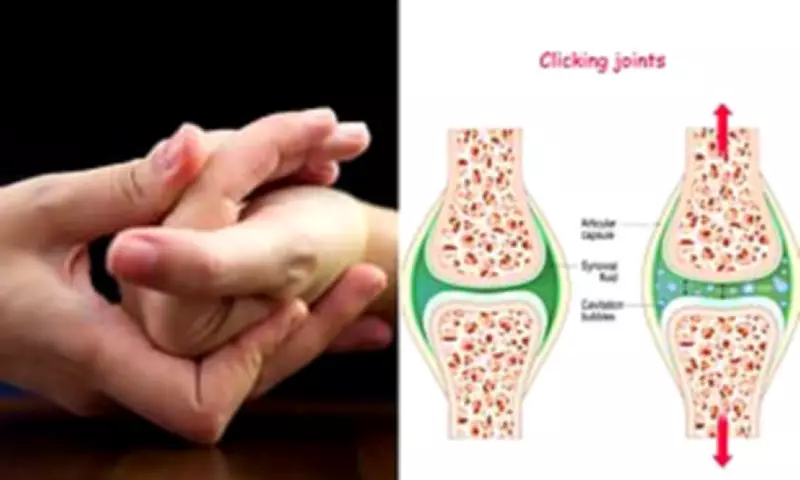
For instance, when you crack your knuckles, this action is caused by a rapid change in pressure within the joint capsule. This pressure shift creates a vacuum that pulls gases out of the synovial fluid, forming a bubble. The audible pop occurs when this bubble bursts, a process that is generally harmless and not linked to long-term damage.

Expert Insights on Joint Clicking
Consultant rheumatologist Dr Rod Hughes, an advocate for joint health, explains: 'Joint clicking, or crepitus, is a common phenomenon where joints make popping or cracking sounds during movement. Most of the time, it’s harmless, caused by gas bubbles in the synovial fluid or ligaments and tendons moving over bones.'
However, Dr Hughes cautions that clicking can sometimes indicate underlying issues, particularly if accompanied by symptoms such as pain, swelling, locking, instability, tingling sensations, or reduced mobility. With numerous potential problems lurking just centimetres beneath the skin, it is vital to comprehend what is actually happening and why certain types of cracking warrant more attention and concern.
When Joint Noises Signal Serious Conditions
While most joint sounds are benign, resulting from tissue or gas bubble movement, they can occasionally signal early osteoarthritis, meniscus tears, or ligament injuries. Individuals who have sustained previous knee injuries, carry extra weight, or engage in high-impact sports are especially prone to these issues. Women may notice increased discomfort during menstrual periods or menopause, times when joints can feel looser due to hormonal changes.
Interestingly, joint noises can also reflect muscle control issues rather than structural problems within the joint itself. For example, a shoulder that pops excessively might do so because the scapula (shoulder blade) is not stabilising properly, forcing the shoulder joint to move unnaturally. Similarly, hips that click during specific movements might indicate that deep hip stabilisers are not functioning correctly, causing tendons to snap over bony landmarks instead of gliding smoothly.
In such cases, the solution involves addressing underlying muscle weakness or coordination deficits that create abnormal movement patterns, rather than focusing solely on the joint. Dr Hughes adds that hip and groin clicks are very common; sometimes, they are merely due to muscle or tendon movement, but they can also indicate labral tears, hip impingement, or hernias. Rotating the hip in a circle or performing a low squat can help determine if clicking is accompanied by pain, catching, or locking—signs that should prompt a medical evaluation.
Lifestyle Factors and Joint Health
Dr Hughes notes that clicking during exercise or sexual activity is not usually dangerous unless pain or weakness appears. He emphasises that strengthening the muscles around joints and improving flexibility often reduce clicking and discomfort. Low-impact exercises such as swimming, cycling, yoga, and targeted strength training are particularly beneficial for joint health.

Additionally, sleeping or sitting positions can influence joint creakiness. Poor sleep posture can cause misalignment, placing unnecessary stress on joints, ligaments, and tendons. Sleeping in positions that compress or twist joints may lead to increased stiffness, pain, and creakiness upon waking. Biological factors also play a role; many people report that their joints become creakier in damp weather. This phenomenon is partly due to low-pressure fronts, which cause a drop in atmospheric pressure, allowing tissues like muscles, tendons, and joint capsules to expand slightly.
Exposure to cold temperatures changes muscle tissue, making it less elastic, while synovial fluid may thicken and become less fluid. Blood vessels constrict in the cold, reducing blood flow and contributing to morning stiffness. However, not all joint noises are natural; some individuals develop a habit of purposefully cracking their joints, which can lead to a form of addiction to both the sensation and the sound.
The Psychology and Risks of Habitual Cracking
Chiropractor Dean Blackstock explains: 'There is a reason why some people are always cracking their knuckles, necks, and spines. When you randomly "crack" a joint, it can stimulate receptors that reduce muscle tension and increase range of motion, but only briefly. Once we return to activities like typing, that effect wears off, pressure builds, and the cycle continues.'
The feeling of satisfaction arises from a neurological response that reduces perceived stiffness and increases joint awareness. Blackstock adds: 'We’re essentially told "that felt good" by our brain, and humans are hard-wired to avoid pain and seek pleasure, so we look to repeat the action again and again.'
Despite the sometimes alarming noises, contrary to popular belief, there is no evidence linking habitual joint cracking to arthritis or long-term joint damage. A notable example is Dr Donald Unger, who cracked the knuckles of his left hand at least twice daily for over 50 years while never cracking those on his right hand. Decades later, X-rays revealed no difference between his hands and no signs of arthritis in the left one. Dr Unger even received an IgNobel award in 2009 for this research, highlighting contributions that first make people laugh and then make them think.
Managing Joint Stiffness and When to Seek Help
To relieve stiffness, gentle stretches and staying active can enhance muscle flexibility and joint agility. Experts recommend strengthening the muscles around joints with slow, controlled resistance work. Mobility exercises, kept within comfortable ranges, along with balance and coordination training, can improve joint control.
Warning Signs: When to Consult a Professional
People should contact a medical professional if joint popping or cracking is accompanied by any of the following symptoms:
- Pain that worsens with activity or persists after rest
- Swelling, warmth, or visible inflammation around the joint
- A feeling of instability, as though the joint might give way
- Locking or catching, where the joint temporarily gets stuck
- A sudden change in the quality or frequency of joint noises, especially after an injury
By understanding the nuances of joint sounds, individuals can better distinguish between harmless pops and potential red flags, ensuring timely intervention when necessary.