Covid Inquiry Hears Heartbreaking Claim Elderly Woman Was 'Denied Chance of Survival'
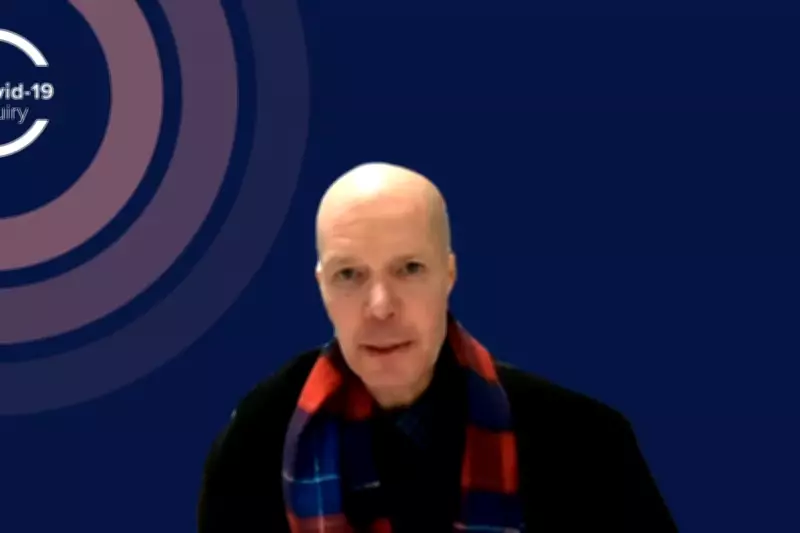
Glen Grundle from Coleraine gave emotional remote evidence to the UK Covid-19 Inquiry on Tuesday, alleging his mother was denied a chance to survive during the pandemic's early days. The testimony formed part of the latest module examining Northern Ireland's pandemic response.
'Playing God' With Quality of Life Assessments
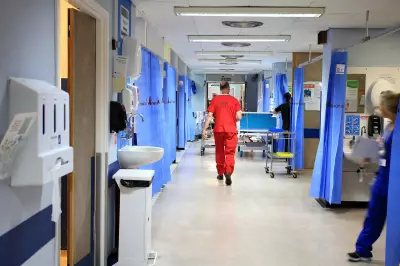
Mr Grundle described how his mother, Milda Grundle, who had multiple sclerosis, was hospitalized in early April 2020. He claimed she was "immediately put under pressure" to agree to a Do-Not-Resuscitate (DNACPR) order. A consultant reportedly told the family she had "no quality of life" because she used a hoist and required carers.
"I was absolutely shocked," Mr Grundle testified. "I argued with him on the telephone, I told him that there would be repercussions... I couldn't believe someone was playing God, which can never be allowed to happen. Quality of life is something only that person knows."

Campaigning for Answers and Accountability
Mr Grundle began emailing politicians and giving media interviews about his concerns, leading to the consultant being removed from his mother's case. However, he said pressure continued for Milda to accept the DNACPR, particularly when told she wouldn't receive a ventilator in the Intensive Care Unit.
He described the context of "hospitals terrified at the anticipated tsunami of patients" they had seen overwhelm other countries, with media warnings about health service resource shortages.
"It's my personal belief that my mum was denied a chance at survival," he stated, questioning the DNACPR's validity since only one consultant signed it instead of the required three signatures from different assessors.
Northern Ireland's Pandemic Grief and Cultural Impact
As a member of Northern Ireland Covid-19 Bereaved Families for Justice, Mr Grundle also testified about Covid-19 restrictions' impact on funerals and wakes. He described how "the coming together of families and friends to share memories" is "very much part of the culture here," making pandemic losses particularly difficult.
He shared examples of "pandemic grief," including not having given anyone a "proper hug" since last seeing his mother alive.
Seeking Truth, Accountability and Justice
Mr Grundle continues campaigning for an inquest into his mother's death, seeking answers about her care and how she contracted Covid-19. "I really haven't started to grieve... if we can't even get information, to accept what has happened, to understand," he explained.
Drawing parallels to the Hillsborough disaster, he emphasized how "families' pain is prolonged," highlighting the importance of duty of candour work. "We need to have access to this information. I'm never going to have closure or peace about what happened to my mum, but I at least need that information to know what happened, and then to be able to go on and get some accountability."
He concluded: "Truth, accountability and justice for my mum, and that's what we want."
Marie McArdle and Julie McMurray also gave evidence to the inquiry on Tuesday as part of this examination of Northern Ireland's pandemic experience.