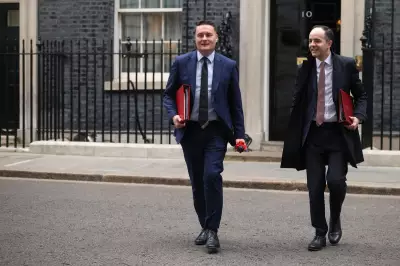
Health Secretary Wes Streeting has issued a stark warning that the current "bitingly cold snap" sweeping the UK will place significant extra pressure on NHS hospitals. The alert comes as forecasters predict snow and ice across the country, with amber warnings in place for northern Scotland.
Winter Weather Brings Heightened Health Risks
As temperatures plummet, the Met Office has forecast snow and ice for Friday, with the freezing conditions expected to move southeastwards across England and Wales. Some areas could see around 2cm of snow, with up to 5cm possible on higher ground. This severe weather brings with it well-documented public health dangers.
Data indicates a marked rise in heart attacks, strokes, and respiratory illnesses during cold snaps, with older people and those with existing health conditions most vulnerable. The icy conditions also substantially increase the risk of trips and falls, often leading to serious injuries that require emergency care.

NHS Under Strain Despite Some Improvements
While acknowledging the "Herculean efforts" of NHS staff, Mr Streeting urged the public to attend A&E only for genuine emergencies to help services cope. He pointed to some positive indicators, noting that hospital bed occupancy is currently lower than at the same time last year and that ambulance handover performance is improving.
However, wider demand on the health service remains intensely high. NHS 111 services experienced their second busiest day in two years on Saturday December 27, answering 87,318 calls. Over the entire Christmas week, 414,562 calls were answered—an increase of nearly 24,000 from the week before.
Flu Admissions Fall But Critical Pressures Remain
In a glimmer of positive news, the number of people hospitalised with flu in England has decreased for the second consecutive week. Daily averages fell 13% to 2,676 patients in the week to December 28, down from 3,061 the previous week. The number of flu patients in critical care also dropped slightly to 128.
Professor Meghana Pandit, NHS national medical director, welcomed the decline, linking it to successful vaccination efforts that have seen over half a million more people vaccinated against flu compared to last year. She emphasised, however, that the service is "far from complacent" as the cold weather sets in.
Performance data shows some winter pressures easing slightly. Ambulance handover delays improved last week, with 18% of patients waiting over 30 minutes to be transferred to A&E teams—the lowest figure this winter. Similarly, only 4% of handovers were delayed by more than an hour.
Despite these improvements, the overarching message from health leaders is clear. The public is urged to get their flu jab if eligible and to use NHS 111 for non-life-threatening conditions, reserving 999 and A&E for serious emergencies to help the health service weather this challenging period.