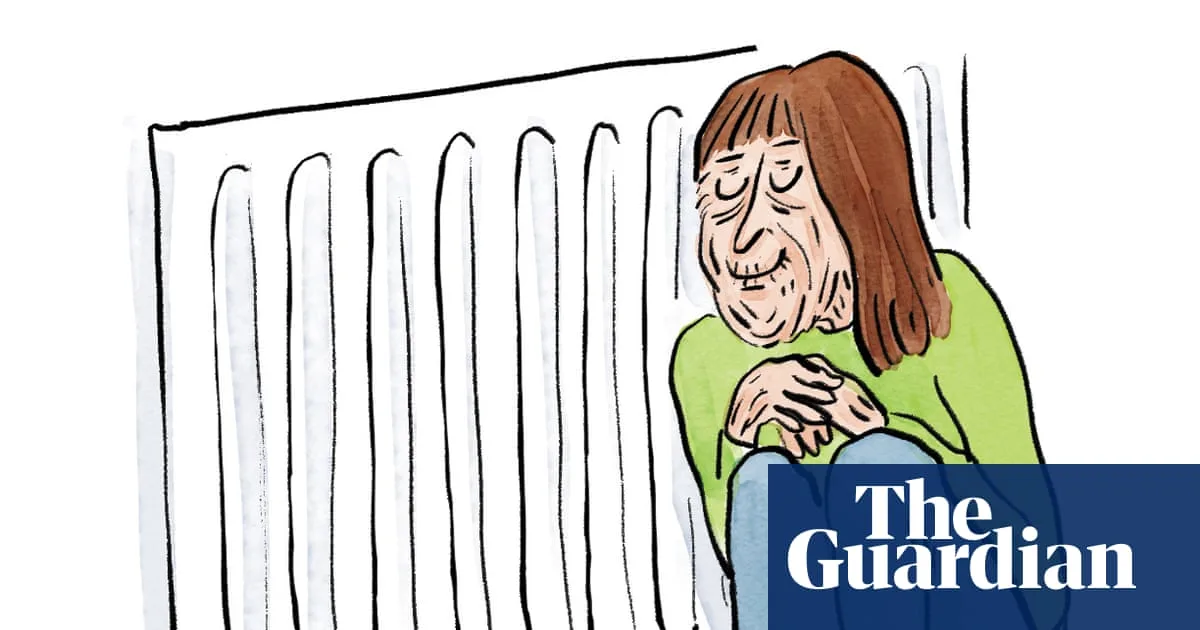
Consultant dermatologist Dr Emma Craythorne has confirmed that central heating can be detrimental to skin health during winter. The dry air created by indoor heating systems can cause an inflammatory reaction, leading to symptoms such as redness, itching, and irritation.
Human skin relies on a protective barrier to retain water, but this barrier is not completely watertight. Water constantly moves across it depending on the humidity of the surrounding air. Skin is most comfortable at a relative humidity of around 40%; when the air is drier, water is more likely to escape, triggering a mild inflammatory response.
Dr Craythorne explains that central heating creates a warm but very dry environment, especially when left on all day without ventilation. However, cold outdoor air can be even more drying, as it naturally holds less moisture. Wind exacerbates the problem by accelerating evaporation of water and natural oils from the skin.
Individuals with pre-existing conditions such as eczema or rosacea are particularly susceptible to winter skin issues. To mitigate problems, Dr Craythorne recommends keeping central heating at a lower temperature, using a humidifier, and adopting a gentle skincare routine. This includes avoiding harsh soaps, opting for creamy, soap-free cleansers, and applying fragrance-free moisturisers containing occlusives, ceramides, and glycerin to support the skin barrier.