CDC Expands Travel Advisories as Chikungunya Virus Spreads Globally
Concerned about the escalating spread of the chikungunya virus, United States health authorities have intensified travel advisories, urging American citizens to exercise heightened caution when journeying abroad. The Centers for Disease Control and Prevention (CDC) recently issued two new Level 2 travel warnings for the Seychelles and Suriname, advising all travelers to implement advanced protective measures.
Global Outbreak and Previous Advisories
This development follows a significant chikungunya outbreak that originated in China last year, marking what experts believe was the nation's largest-ever incidence of the mosquito-borne illness. More than 16,000 cases were documented in China, prompting the CDC to issue a Level 2 travel advisory for the country, which recommended extra precautions for visitors. Subsequent warnings were extended to Kenya, Cuba, Madagascar, Somalia, and Sri Lanka as the virus continued to propagate.
While the CDC did not detail specific actions in its latest alerts, a Level 2 warning typically mandates the use of EPA-registered insect repellent, wearing long-sleeved shirts and trousers, and ensuring accommodations are fully sealed with screens or air conditioning to prevent mosquito entry.

Alarming Global Statistics
Since 2025, global health data has recorded over 240,000 chikungunya cases, with 90 fatalities reported across 16 countries. The epicenter of last year's outbreak in China was the city of Foshan, located on the southern coast, where heavy rainfall and warm temperatures fostered a dramatic increase in mosquito populations.
Understanding Chikungunya Virus
Chikungunya virus is primarily transmitted by Aedes mosquitoes, the same species responsible for spreading dengue and Zika viruses. Initial concerns arose last summer when China experienced a substantial outbreak. Roger Hewson, virus surveillance lead at the UK's Wellcome Sanger Institute, described it as the largest outbreak ever seen in China.
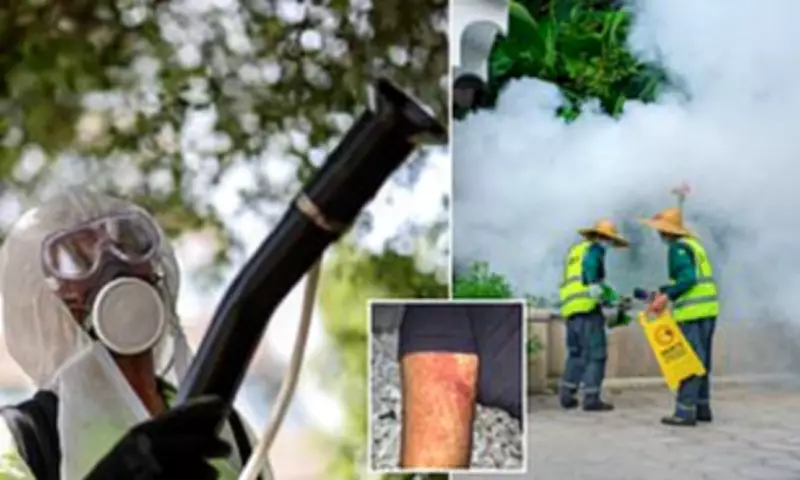
To combat the virus, Chinese officials initially imposed a 14-day home quarantine on travelers from Foshan, reminiscent of Covid-19 restrictions, though this measure has since been lifted. Infected patients were isolated in hospital wards under mosquito nets, required to remain for a week or until testing negative. State workers deployed disinfectant sprays in urban areas, and drones were used to target mosquito breeding grounds, with residents facing fines up to $1,400 for non-compliance with water-emptying directives.
Symptoms and Health Risks
The virus, while rarely fatal, can cause debilitating symptoms. According to the CDC, approximately 15 to 35 percent of infected individuals are asymptomatic. The incubation period typically spans three to seven days, with common symptoms including a sudden fever exceeding 102 degrees Fahrenheit, headache, nausea, rash, muscle aches, eye redness, and severe joint pain in the hands or feet. In severe cases, life-threatening complications such as heart inflammation, irregular heartbeats, and organ failure may occur. Symptoms generally last seven to 10 days, but some patients suffer persistent joint pain lifelong.
Cases in the United States
Chikungunya virus remains rare in the US, predominantly affecting travelers returning from endemic regions. Last year, there were 466 travel-associated cases and one locally acquired case involving a woman from Long Island, New York, marking the first such instance recorded in New York City. Three additional individuals in New York tested positive after international travel. Prior to this, the last locally acquired case in the US was reported in Texas in 2015, with no fatalities documented. The Pan American Health Organization notes rising chikungunya cases in the Americas, particularly in Brazil and Bolivia.
CDC Recommendations and Vaccination
The CDC continues to advise extra precautions for travel to high-risk areas, with current Level 2 advisories active for Cuba and Sri Lanka. Elevated risk of exposure is also noted in Brazil, Colombia, India, Mexico, Nigeria, Pakistan, Philippines, and Thailand. A Level 2 advisory signifies a heightened health risk, urging travelers to practice enhanced precautions, including insect repellent use, protective clothing, and staying in air-conditioned accommodations.

Health officials recommend vaccination against chikungunya, with two approved vaccines available in the US. Dr. Louisa Messenger, a mosquito researcher, emphasized the importance of preventive measures: "People should be concerned about these diseases, wear topical repellents, wear long sleeves, and get vaccinated against them if they can." The CDC specifically advises pregnant women to avoid travel to high-risk areas due to increased complication risks.
Treatment and Management
There is no specific treatment for chikungunya virus, though research into potential therapies is ongoing. Management focuses on symptom relief through rest, hydration, and over-the-counter pain medications like acetaminophen. For persistent pain, treatments may include pain relievers, steroids, and physical therapy. Vaccination is strongly recommended for individuals visiting outbreak regions or areas with higher infection risks.