Kenyan Breast Cancer Survivor Creates Affordable Knitted Prostheses
In Kenya, where breast cancer is the most commonly diagnosed cancer among women, a survivor has turned her knitting hobby into a lifeline for thousands. Mary Mwangi, who faced her own diagnosis with fear, now crafts knitted prostheses, providing an affordable alternative to expensive silicone options that are often out of reach in this developing nation.
A Journey from Diagnosis to Empowerment
When Mary Mwangi received her breast cancer diagnosis, she braced for the worst, expecting death to follow swiftly. However, during her recovery, she picked up knitting as a therapeutic pastime. Little did she know that this simple hobby would evolve into a mission impacting countless lives across Kenya.
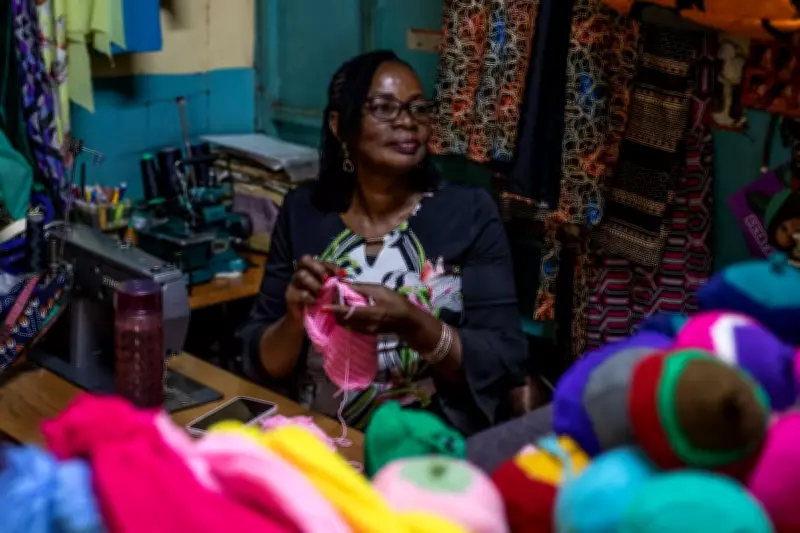
Mwangi now produces knitted prostheses for women who have undergone mastectomies—surgical removal of an entire breast—without the reconstructive surgery common in wealthier countries. Operating from a shared tailor shop in Thika, just outside Nairobi, she leads the New Dawn Cancer Warriors, a group dedicated to sharing this skill.

"Knitting takes you through a process of healing," Mwangi explains. "Once you are not thinking about your disease, you are positive, and that positive mind helps you, because healing starts from your mind." For many in her group, this activity serves as both a source of income and an emotional outlet, helping them cope with the grief of losing a breast.
Restoring Dignity and Hope
The impact of Mwangi's work is profound. Nancy Waithera, a high school science teacher, found solace in meeting Mwangi before her own surgery. Purchasing a knitted prosthesis allowed her to envision life post-mastectomy. "I felt like Nancy had come back," Waithera recalls of her first day wearing it to church. "My ego was restored. My dignity was restored."
Similarly, Hannah Mugo, a housewife and mother, transitioned from stuffing her bra with clothing—a makeshift solution that left her feeling unbalanced—to wearing a knitted prosthesis filled with soft fiber. "I used to stay indoors because I didn't want people to label me as the 'woman with one breast'," Mugo shares. Now, she not only knits for herself but also sells prostheses, boosting her confidence and financial independence.
Addressing a Critical Need in Kenya
Breast cancer poses a significant burden in Kenya, with approximately 6,000 new cases diagnosed annually. Alarmingly, over 50% of patients present at an advanced stage, according to the health ministry, highlighting challenges in early detection. With 40% of the population living below the poverty line, costly treatments and silicone prostheses—priced at around $60 per breast—are often inaccessible.
Mwangi's knitted prostheses cost just $10 per breast, making them a viable option for many. Her group has sold over 600 pieces in the last three years, often through organizations that donate to survivors unable to afford them. The prostheses, filled with pillow-like fiber, are praised for their gentle feel on the skin.
The Therapeutic Power of Community and Hobby
Experts emphasize the role of hobbies and support groups in cancer recovery. Surgeon Daniel Ojuka, who has observed donated prostheses at Kenyatta National Hospital, notes that having a post-surgery plan and a supportive community "makes recovery significantly easier." He points out that mastectomy is often the cheapest option for Kenyan women, as reconstructive surgery is not covered by national health insurance and remains unaffordable for most.
Eglah Wambui, another breast cancer survivor who knits with Mwangi, underscores the therapeutic benefits, recalling a fellow patient who succumbed to depression. "Knitting is therapeutic and helps take away my thoughts," says Wambui, a mother of two.
A Message of Resilience and Life Beyond Cancer
For Mwangi, cancer is no longer a death sentence but a catalyst for change. "There is life after cancer, and cancer is not a death sentence, because I'm a living testimony," she asserts. Determined to expand her reach, she continues to train more women, fostering hope and resilience in the face of adversity.

This initiative not only addresses a practical need but also rebuilds confidence and community among breast cancer survivors in Kenya, proving that innovation and compassion can thrive even in challenging circumstances.