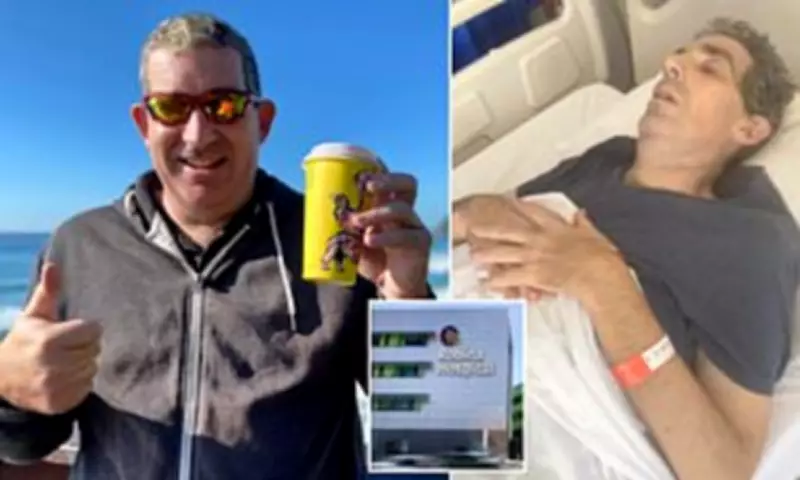
Systemic Failures at Gold Coast Hospital Led to Autistic Man's Starvation Death
A comprehensive investigation by Queensland's Health Ombudsman has uncovered a devastating chain of systematic failures at Robina Hospital that resulted in the starvation death of an autistic patient. Stewart Kelly, a 45-year-old man with autism and an intellectual disability, perished from a combination of starvation and dehydration during a 33-day admission in 2022 at the Gold Coast's second-largest public hospital.
Family Warnings Ignored by Hospital Staff
The report, released after a three-year investigation, found that Mr. Kelly's 84-year-old mother, Ann Jeffery, repeatedly warned hospital staff about her son's deteriorating condition, but these crucial alerts were not taken seriously. Mr. Kelly was initially admitted due to anxiety and refusal to eat, which had caused significant weight loss. While not in critical condition upon admission, his situation deteriorated dramatically over weeks of what the report describes as neglect from healthcare professionals.
"My life has disintegrated... the stress of waiting for answers has been devastating," Ms. Jeffery told investigators, describing the emotional toll of the prolonged inquiry. His sister-in-law, Shelley Jeffery, stated unequivocally that the hospital had "completely failed" Mr. Kelly, noting the family had expected he would receive basic fluids and counseling during his stay.

Failed Systems and Missed Opportunities
The investigation revealed multiple systemic breakdowns. Despite Mr. Kelly's neurodevelopmental disorders, hospital staff failed to recognize and respond appropriately to his needs. Communication between treatment teams was inadequate, and there were significant delays in obtaining specialist input. Most alarmingly, when Ms. Jeffery attempted to initiate a Ryan's Rule review—a mechanism allowing families to request clinical reassessment of patient care—senior medical staff assigned an intern who rejected the request.
Gold Coast Health has accepted responsibility for the tragedy and pledged to implement all 18 recommendations from the Ombudsman's report. A spokesperson acknowledged "significant failures" while describing Mr. Kelly's case as "exceptionally rare," stating frontline staff were "deeply affected" by his death. The chief executive hopes this case will serve as "a catalyst for change."
Family Challenges Hospital's Characterization
Mr. Kelly's family strongly disputes the hospital's characterization of his case as exceptionally complex. "People with brain tumors that they don't know how to fix, that's exceptional. Stewart's case is not exceptional," Shelley Jeffery countered. "Someone who's not eating obviously has some mental health issues, that's not exceptional."
The family had expected the hospital to provide psychiatric treatment given Mr. Kelly's autism and intellectual disability, but this never materialized. Instead, he was left to slowly deteriorate as his mother desperately tried to intervene.
Ongoing Consequences and Calls for Accountability
As a direct result of the investigation, one clinician has been referred to the Australian Health Practitioner Regulation Agency for further scrutiny. The Kelly family is now pushing for a coroner's inquest to ensure similar failures never occur again. They seek comprehensive systemic changes to prevent other vulnerable patients from experiencing similar neglect.
The report serves as a stark reminder of the critical importance of proper communication, timely intervention, and appropriate care for patients with neurodevelopmental disorders within Australia's healthcare system.