Australian Teenager's Death Linked to Tick-Induced Red Meat Allergy
A tragic case in Australia has highlighted the severe and potentially fatal consequences of a rare condition known as alpha-gal syndrome. Jeremy Webb, a 16-year-old teenager, has been confirmed as the first person in Australia and only the second individual worldwide to die from this meat allergy, which is triggered by tick bites.
Initial Misdiagnosis and Later Re-evaluation
Webb's death occurred in 2022 during a camping trip and was initially attributed to an acute asthma attack. However, a thorough re-evaluation by medical professionals revealed that he actually succumbed to anaphylaxis. This severe allergic reaction was caused by alpha-gal syndrome, stemming from a history of tick bites and the consumption of beef sausages.
Understanding Alpha-Gal Syndrome
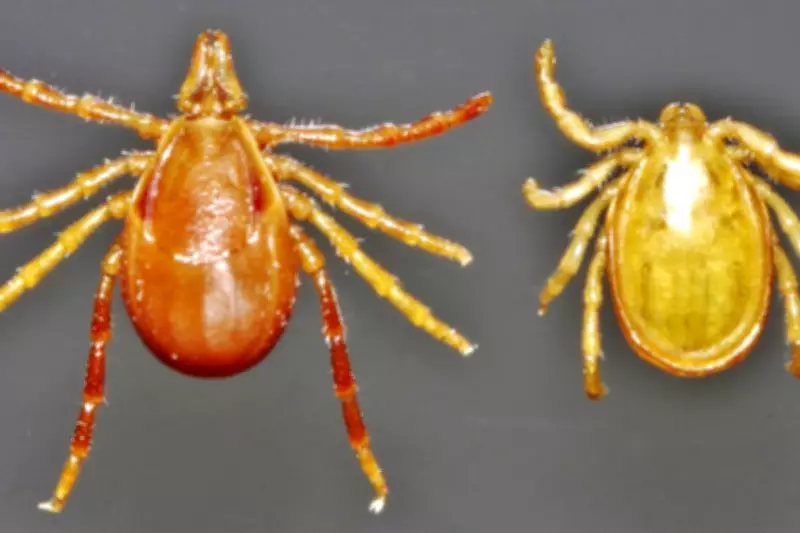
Alpha-gal syndrome is a condition where the immune system develops an allergic response to a sugar molecule called alpha-gal. This molecule is injected into the human body through the bite of certain ticks, such as the paralysis tick commonly found in eastern coastal Australia. When affected individuals consume mammalian meat, like beef, pork, or lamb, it can trigger delayed allergic reactions, ranging from mild symptoms to life-threatening anaphylaxis.

Challenges in Diagnosis and Awareness
Doctors emphasize the significant challenges in diagnosing alpha-gal syndrome, primarily due to a lack of awareness among clinicians. The delayed nature of the allergic reaction, which can occur several hours after meat consumption, often complicates the identification of the syndrome. This delay makes it difficult to connect symptoms to the allergy, leading to potential misdiagnoses, as seen in Webb's case.
Prevalence and Prevention Measures
The paralysis tick, responsible for transmitting alpha-gal, is prevalent in regions along Australia's eastern coast. Health experts urge increased vigilance, especially for individuals engaging in outdoor activities in these areas. Preventive measures include wearing protective clothing, using insect repellents, and conducting regular tick checks after exposure to grassy or wooded environments.
This case underscores the critical need for enhanced medical education and public awareness about alpha-gal syndrome to prevent future fatalities and ensure timely diagnosis and management of this emerging health concern.