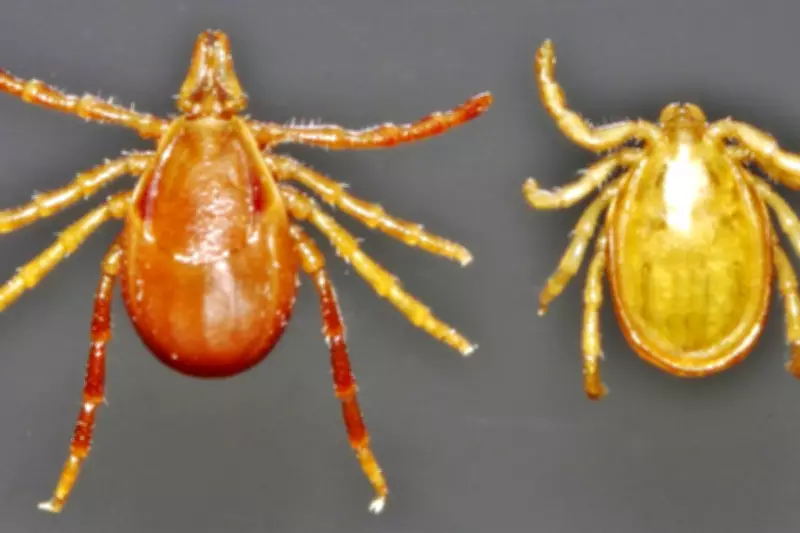
An Australian teenager has tragically become the first confirmed fatality in the country from a severe allergic reaction to meat caused by a tick bite, marking only the second such death recorded worldwide. The case has sparked significant concern among medical professionals regarding the prevalence and diagnosis of this potentially deadly condition.
Initial Misdiagnosis and Subsequent Findings
Jeremy Webb, a 16-year-old from New South Wales, died during a camping trip with friends in 2022. Initially, authorities ruled his death as resulting from an acute asthma attack. However, a thorough medical re-evaluation pursued by his determined parents revealed a different, more complex cause.
The investigation determined that Webb suffered from mammalian meat allergy, scientifically known as alpha-gal syndrome, which was triggered by a history of tick bites. This makes him the second person globally confirmed to have died from this specific tick-induced condition, following an American man in 2024.

Understanding Alpha-Gal Syndrome
The condition occurs when certain ticks inject a sugar molecule called alpha-gal (galactose-α-1,3-galactose) into a person's bloodstream during a bite. This molecule, not normally present in humans, prompts the body to produce IgE antibodies. When the affected individual later consumes meat containing alpha-gal—found in mammals like cows, pigs, sheep, and even kangaroos—they can experience a severe allergic reaction.
In Australia, the paralysis tick Ixodes holocyclus is primarily responsible, while in the United States, particularly in southern states like Texas, the lone star tick Amblyomma americanum carries the allergen. Research indicates that climate change is contributing to the spread of these ticks into new geographical areas.
Coroner's Detailed Report
The New South Wales Deputy State Coroner's findings report provided crucial insights into Webb's case. It noted that the teenager had consumed beef sausages during his fateful camping trip. "Jeremy died as a result of anaphylaxis due to mammalian meat allergy after a tick bite, causing an acute exacerbation of asthma," the coroner concluded.
The report detailed that Webb and his family moved to a Central Coast area surrounded by dense bushland when he was approximately five years old. From that time forward, his parents reported he had "experienced a number of tick bites."
Medical History and Diagnostic Challenges
Throughout his life, Webb suffered from asthma and experienced adverse reactions to red meat, including episodes of shortness of breath. In 2018, a diagnosis suggested these symptoms were likely caused by house dust, leading his family to implement various household changes.
Despite multiple hospital visits for asthma attacks since 2018, he was consistently discharged after treatment without recommendations for further investigation into potential underlying causes.
During the coroner's inquest, immunologist Sheryl van Nunen identified the critical association between tick bites and the development of mammalian meat allergy. "She examined all the records relating to Jeremy's medical history and his death and determined that the cause of Jeremy's death was anaphylaxis due to a mammalian meat allergy following tick bite," the report stated.
Symptoms and Geographic Prevalence
Symptoms of alpha-gal syndrome can vary widely, including:
- Cramping, diarrhoea, or nausea
- Hives and red swelling around the eyes, lips, or tongue
- In severe cases, life-threatening anaphylaxis affecting respiratory or cardiac function
Medical experts caution that the paralysis tick is prevalent along Australia's eastern coastal regions, stretching from North Queensland to northern Victoria. The areas with the highest suspected cases per 100,000 population include:

- Pittwater in New South Wales
- The Richmond Valley hinterland in New South Wales
- The Gold Coast hinterland in Queensland
Diagnostic Difficulties and Future Recommendations
The complexity of diagnosing alpha-gal syndrome stems primarily from limited awareness among clinicians and challenges in identifying alpha-gal-specific antibodies through standard blood tests. "The difficulty is further compounded due to the delayed reactions after ingestion of mammalian meat," doctors emphasize.
They advocate for specific training programs to better equip medical professionals to recognize and diagnose this condition, potentially preventing future tragedies through earlier intervention and appropriate management strategies.