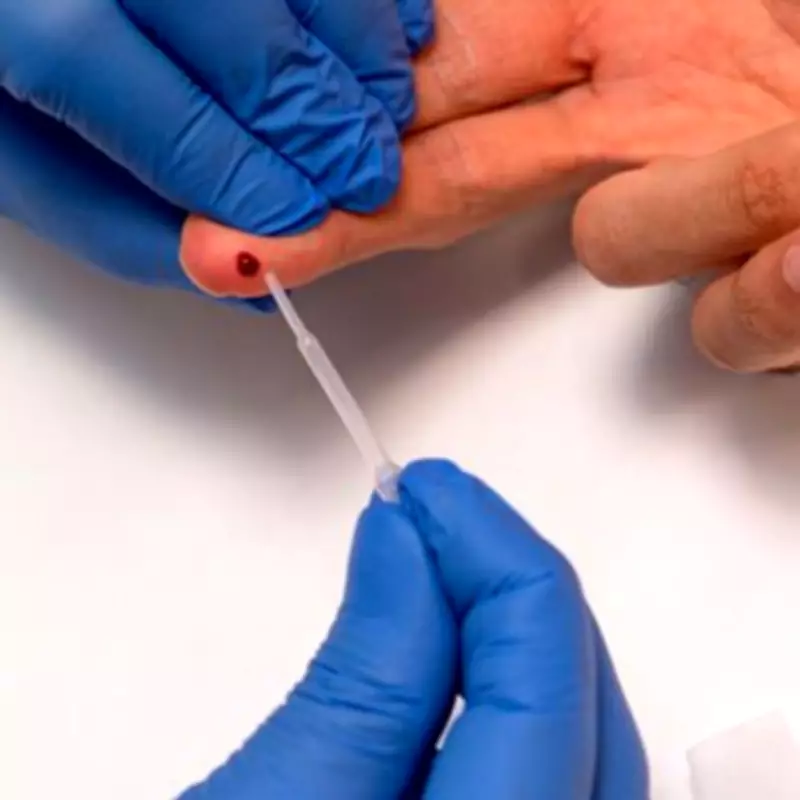
A novel at-home test has the potential to transform dementia diagnosis by predicting an individual's risk of developing Alzheimer's disease, scientists have claimed. The approach combines a finger-prick blood test with an online cognitive assessment, enabling large-scale population screening for the most prevalent form of dementia.
How the test works
The self-administered test detects specific blood biomarkers, namely p-tau217 and GFAP, which are associated with Alzheimer's disease and broader cognitive decline. Participants also complete a computerised thinking test. Researchers believe this combination could identify people with early memory and thinking problems, allowing them to be prioritised for further diagnostic evaluation, treatment, and support.
Expert insights
Study lead Professor Anne Corbett, from the University of Exeter Medical School, stated: "This work raises the potential for screening people for their risk without the need for clinic visits or complex clinical assessments. It would ensure the people at highest risk could be prioritised for monitoring and diagnosis, unlocking the best support and treatment for those that need it most."

Dr Sheona Scales, director at Alzheimer's Research UK, commented: "Finger prick blood tests could revolutionise dementia diagnosis - they offer a low cost, scalable way to identify people who may be at higher risk of Alzheimer's disease and who should be offered further checks. The results suggest the test can detect changes in a blood biomarker linked to Alzheimer's disease and cognitive difficulties, with a high level of sensitivity."
Current context
Nearly one million people in the UK live with dementia, with Alzheimer's accounting for 60% to 80% of cases. Emerging disease-modifying treatments are undergoing clinical trials, but their effectiveness relies on very early diagnosis. Currently, most dementia patients in the UK are diagnosed late, if at all.
The study, published in Nature Communications, involved 174 participants who administered the test at home and posted samples back to the research team. The findings indicate that the blood test, combined with cognitive testing, can effectively "triage" an individual's Alzheimer's risk.
Professor Clive Ballard, also from the University of Exeter Medical School, noted: "Almost a million people in the UK are estimated to have dementia, yet at the moment, only one in 1,000 people with the earliest signs of brain decline receives a specialist evaluation. Our approach of combining our robust cognitive testing with measuring proteins via a postal blood test could provide a straightforward, efficient and cost-effective method to reach large numbers of people in the community who would not otherwise be prioritised for the next steps of diagnosis or support."
Future steps
Dr Scales added: "As an early step in the diagnostic pathway, this kind of self-administered test could give reassurance to some people, while helping others move more quickly towards follow-up tests and support. As the test is easy to use and can be done remotely, it has the potential to improve access to assessment for those who face practical barriers to attending specialist clinics." She emphasised the need for larger, more diverse studies to confirm the test's performance in everyday healthcare settings.
Professor Ballard urged people aged over 40 to join the online Protect study, which includes over 30,000 UK adults who regularly take cognitive tests measuring memory, attention, and executive function.