Staff at a central London mortuary faced potentially fatal exposure to cyanide and carbon monoxide while handling the repatriated bodies of victims from the Air India flight 171 disaster, a senior coroner has revealed.
A Lethal Chemical Hazard Uncovered
Senior London coroner Professor Fiona Wilcox has issued a stark warning after an investigation at Westminster Public Mortuary in Regency Place. Workers there encountered dangerously high levels of formalin used to preserve bodies sent from India following the June 12 crash. When the coffins were opened and the remains unwrapped, the chemical formalin—which contains formaldehyde—began breaking down.
This process released toxic carbon monoxide and, upon mixing with ammonia from decomposition, deadly cyanide gas into the mortuary air. Professor Wilcox stated that environmental monitoring detected these poisons at hazardous concentrations, creating a severe risk to all personnel present.

Systemic Failures in Victim Repatriation
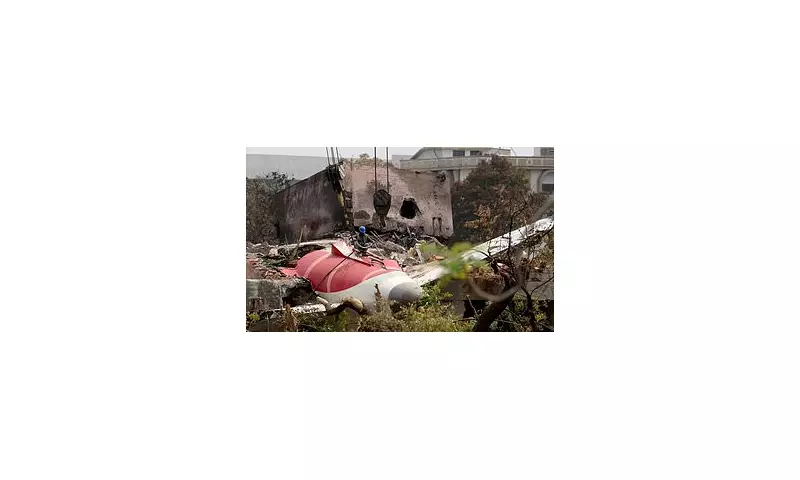
This chemical blunder is the latest in a series of catastrophic failures in the operation to identify and return the victims of the Air India tragedy. The Boeing 787, bound for London Gatwick, crashed into a medical college in Ahmedabad, India, just 32 seconds after takeoff on June 12, 2025.
The disaster claimed the lives of 241 passengers and 19 people on the ground. Only one passenger, 40-year-old Leicester businessman Visvash Kumar Ramesh, survived. His 35-year-old brother Ajay was among the 53 British passengers killed.
Earlier this year, it emerged that grieving families had been sent the wrong bodies, causing further anguish. In one case, relatives had to abandon funeral plans after learning the coffin contained an unknown passenger. In another, the co-mingled remains of multiple victims were mistakenly placed in a single casket, requiring separation before burial could proceed.
Coroner Demands National Action to Prevent Future Deaths
In a formal Prevention of Future Deaths report, Professor Wilcox has written to Health Secretary Wes Streeting, Housing Secretary Steve Reed, and other authorities. She expressed profound concern about a widespread under-appreciation of the dangers formalin poses in mortuaries across the country.
She revealed that mortuary staff were surprised by the nature of the danger, despite formalin being commonly used for repatriated remains. The bodies from India had been wrapped and saturated in a solution of approximately 40% formalin before being placed in lined coffins.
A Police CBRN (Chemical, Biological, Radiological, Nuclear) unit and an environmental protection agency had to be called to the Westminster mortuary to implement emergency safety systems. Staff were forced to use breathing apparatus to continue their work.
Professor Wilcox highlighted a critical gap in safety protocols, noting that formalin is not routinely monitored in UK mortuaries, meaning appropriate safety equipment is often not available when needed. She warned that this exposes mortuary users to significant health risks, including a risk of death from chemical exposure.
The authorities and professionals who received the report now have 56 days to respond with a plan of action to mitigate these newly identified risks.