A prominent actor made an emotional and urgent appeal on BBC Breakfast this weekend, calling for Black men to take proactive steps regarding their health amidst a contentious new NHS recommendation.
NHS Screening Advice Sparks Controversy
The segment was prompted by a recent statement from the National Screening Committee (NSC), a body of doctors and economists. The NSC has advised the government that mass screenings for prostate cancer are "likely to cause more harm than good." This position has been met with strong opposition from high-profile figures who have personal experience with the disease, including Sir Chris Hoy and Sir Stephen Fry.
A Personal and Powerful Plea
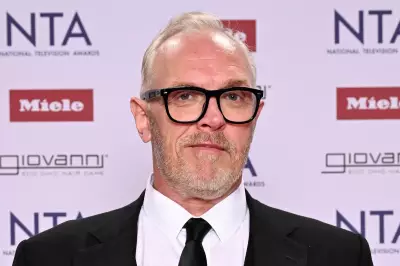
Colin McFarlane, known for his role in Outlander and who revealed his own prostate cancer diagnosis in 2023, appeared on the Saturday, 29th November broadcast to share his fervent advice. He was joined by Chiara De Biase, a representative from Prostate Cancer UK, who expressed deep disappointment with the NSC's three-year review, stating they were the only organisation to submit scientific evidence in favour of screening.

McFarlane addressed the camera directly, stating: "Any Black men listening to this, and you're between the age of 45 and 74, get hold of Prostate Cancer UK and go on their Transform programme to get this evidence that they say they're missing. Because that's really important."
Addressing a 'Double the Risk' and Historic Mistrust
The discussion highlighted a critical health disparity: one in four Black men will be diagnosed with prostate cancer in their lifetime, facing double the risk compared to the general male population. When asked by presenter Naga Munchetty if a lack of confidence was a barrier, McFarlane confirmed it was a significant issue.
He explained that decades of mistrust with the establishment, drawing parallels with the Windrush scandal, have created suspicion within the Black community. "There's a suspicion," McFarlane said. "In the Black community they literally say, 'If you go into hospital you never come out again'." He emphasised the urgent need to change this attitude to save lives.
To reinforce the importance of early testing, McFarlane shared a story of a businessman he met on a train who had been refused a PSA test three times by his GP. His final, powerful plea was directed at healthcare professionals: "GPs out there... when a man is brave enough to come into your surgery, please don't turn him away! Please don't say, 'You've got no pain, you've got no symptoms, we don't need to test you'. Because I have no pain, I have no symptoms, but I do have prostate cancer. If you wait for pain and symptoms, it spreads."