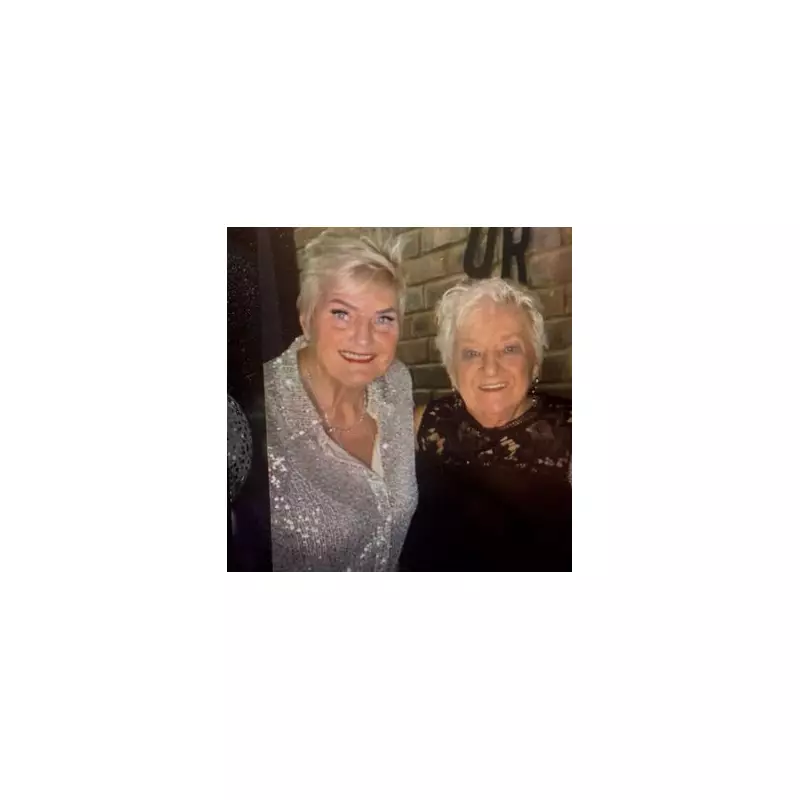
A 94-year-old woman was forced to wait for three days on a hospital trolley after suffering what paramedics believed was a stroke, in a case highlighting severe pressures on emergency care.
From Skydiving to Hospital Trolley
Rita Holohan, a great-grandmother of five, had been feeling "light-headed, dizzy and confused" days after fulfilling a bucket-list ambition of indoor skydiving. Her family called paramedics at around 9.30pm on Friday.
The medics who attended her home indicated she had likely suffered a transient ischaemic attack (TIA), often called a mini-stroke. She was subsequently taken to the accident and emergency department at the Queen Elizabeth Hospital in King's Lynn, Norfolk.

'The Care Has Been Terrible'
Instead of being swiftly admitted to a ward, Rita Holohan remained on a trolley in A&E for a full three days before finally being transferred. Her daughter, Beverley Pegg, who is herself a nurse, has condemned the treatment her mother received.
"This time last week she was indoor skydiving, and this week lying in a hospital bed without knowing what's wrong," Beverley said. She described the situation as "a joke" and criticised the lack of communication and care.
"I still do not know what is happening with my mum because I have tried calling seven times to get an update, only to be cut off," Beverley explained. "I call back, and the same thing happens again. My last call was picked up and promptly put down again, and then the phone was engaged."
She added: "The hospital is a joke. I am a nurse myself, so I know the pressure and struggles with beds. The care, or lack of care, has been terrible."
Hospital Response and Systemic Pressure
In response to the family's complaints, the hospital trust issued an apology but did not comment directly on the individual case. Richard Parker, the chief operating officer for the Queen Elizabeth Hospital, acknowledged the distress caused by long waits.
He stated: "We are sorry to hear of the concerns raised by a patient's family. While we are unable to comment on individual cases, we want to reassure people that patients are assessed and prioritised according to their clinical need, and our teams work hard to provide appropriate care as quickly as possible during periods of high demand."
Parker emphasised that clear communication with families is important and admitted the trust continues to work under significant pressure. He said plans are in place to improve patient flow and experience in urgent and emergency care services.
This incident underscores the ongoing crisis in NHS emergency departments, where bed shortages and high demand frequently lead to extended trolley waits, even for vulnerable elderly patients with serious conditions like a suspected stroke.