In a significant move to support vulnerable individuals at home, the Government has announced a major funding increase for home adaptation grants, even as comprehensive reform of the crisis-hit adult social care system remains years away.
Funding Boost for 'Lifeline' Home Adaptations
Health Minister Stephen Kinnock has confirmed an additional £50 million cash injection for the Disabled Facilities Grant (DFG) for the 2025-26 financial year. This substantial increase is expected to help approximately 5,000 more people install vital adaptations in their homes, such as stairlifts, ramps, and accessible bathrooms.
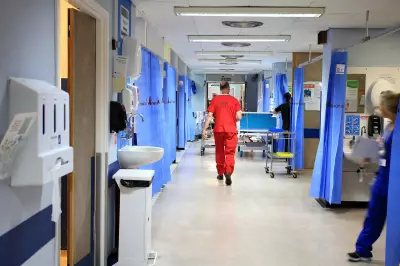
The new funding brings the total allocated to the DFG scheme for that year to £761 million. Mr Kinnock, who recently visited a couple in Brighton who benefited from the grant, described such adaptations as a "lifeline" for families. He emphasised the Government's commitment to enabling more disabled and elderly people to receive support to remain in their own homes, thereby alleviating pressure on overstretched hospital services.

"I think it also is a real win for the system more broadly because of course we want people to be cared for at home," Mr Kinnock stated. "That's where people would like to stay, if they can."
Care Commission Timeline and Cross-Party Hopes
The funding announcement comes against a backdrop of ongoing delays to wider adult social care reform. The major review of the system, led by Baroness Louise Casey, is not due to conclude until 2028. However, Mr Kinnock offered a glimmer of hope, suggesting the commission might finish its work "more rapidly" than the current deadline.
He defended the commission's pace, which has faced criticism for reportedly meeting only once since its launch in January 2025, by insisting Baroness Casey has been actively gathering evidence nationwide. The minister reiterated his call for a cross-party consensus to end the political "weaponisation" of social care funding during election cycles.
"One of the big challenges that we've had around the funding of adult social care is that it's ended up getting weaponised by different political parties," Mr Kinnock said. "And frankly, my party is just as guilty as others… We need to change that."
Addressing an Inherited Crisis
Mr Kinnock acknowledged the severe financial strain facing families, where individuals are still sometimes forced to sell their homes to pay for care. He admitted the Government "absolutely recognises" this difficulty but pointed to the dire state of public finances inherited from the previous administration.
Labour was forced to scrap a key election pledge to introduce an £86,000 cap on lifetime care costs due to the economic situation. Alongside the DFG boost, the minister highlighted a wider £4.6 billion uplift in funding for local authorities for adult social care by 2028-29. This includes £500 million earmarked for the first-ever Fair Pay Agreement aimed at boosting recruitment and retention in the care workforce.
"We've been putting fires out all over the place frankly," Mr Kinnock said, referring to the inherited state of the health and care system. "Hopefully we're getting on top of the issue and now we can start to build for the future." He stressed that the Government is "not sitting on our hands" while awaiting the Care Commission's final report, pointing to immediate actions like the increased grant funding as evidence of their commitment to making progress now.