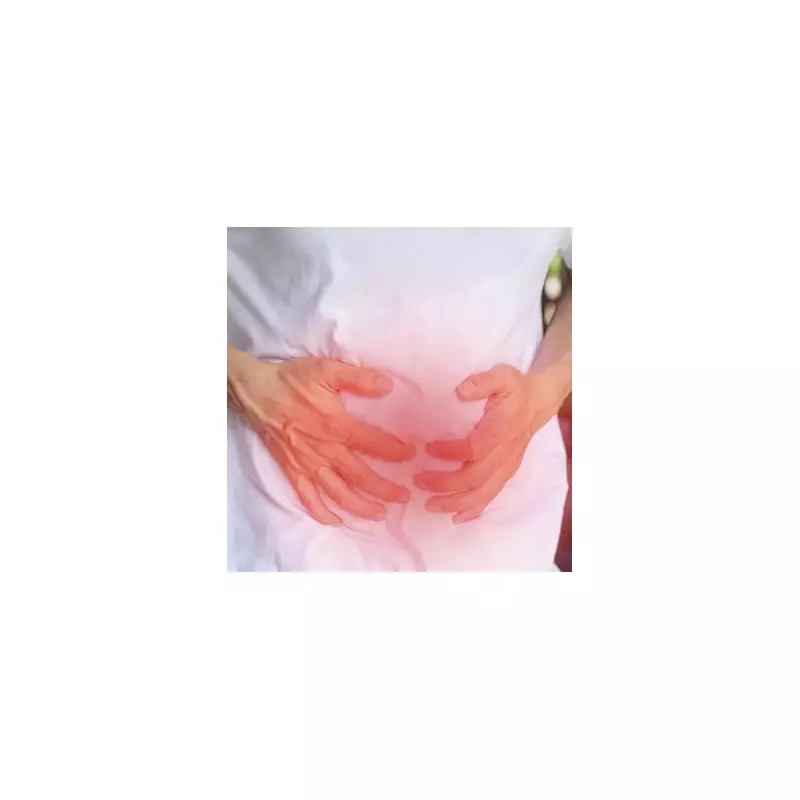
This Monday, December 1st, marks the beginning of Crohn's and Colitis Awareness Week, a crucial campaign highlighting the daily challenges confronting individuals living with these chronic conditions. While general gut issues can often be managed, for over half a million people in the UK with Inflammatory Bowel Diseases (IBD) like Crohn's Disease and Ulcerative Colitis, the struggle is a constant part of life.
Beyond the Gut: The Full Body Impact of a Flare-Up
A social media influencer, known online as letstalkcrohns, has shared five pivotal lessons from his personal journey, hoping to guide others. He emphasised that knowing these earlier "would have saved me a lot of stress, confusion, and anxiety." His first revelation challenges common perceptions: flare-ups are not confined to urgent bathroom visits or abdominal pain. He experienced unexpected symptoms like joint pain, severe fatigue, fever, and brain fog, underscoring that IBD is a systemic condition affecting the entire body.
His second point addresses the frustration of living with an "invisible illness." "People will assume that you don't look sick, and this is so frustrating. Just because it's invisible doesn't make it any less real," he stated, voicing a common sentiment within the IBD community.

Management Myths and the Reality of Treatment
Dispelling a significant myth, the creator highlighted that management "is not just about food." While identifying trigger foods is important, factors like stress, poor sleep, and over-exertion play an equally massive role in overall wellbeing. This holistic view is essential for effective long-term management.
He also prepared others for the medical journey ahead, noting that hospital visits can become routine and finding the right treatment is often a process of trial and error. Patience is key, as not every medication will work immediately.
Understanding Remission and Finding Hope
On the concept of remission—periods where symptoms lessen—he offered a realistic perspective. "Remission doesn't mean that you're going to feel 100 per cent better," he explained. Good days will be interspersed with bad, and because Crohn's is a chronic, lifelong condition, it requires continuous management. The goal is to find a personal strategy that works.
In a subsequent comment, he added a message of hope: "It’s not all doom and gloom. Hopefully you’ll still have very normal days... Just take on your shoulders and be aware of the highs n lows!"
The video resonated deeply, with many in the comments sharing similar experiences. One person revealed it took two years to find the correct medication for Ulcerative Colitis. Others expressed frustration at the condition being reduced solely to toilet frequency, emphasised the unsolicited diet advice from outsiders, and stressed the paramount importance of prioritising mental health throughout the journey.
What Are Crohn's Disease and Ulcerative Colitis?
Crohn's Disease and Ulcerative Colitis are the two main forms of Inflammatory Bowel Disease (IBD). They occur when the immune system mistakenly attacks the gut, causing painful inflammation and sores.
In Crohn's, this inflammation can appear anywhere in the digestive tract, from the mouth to the anus. In Ulcerative Colitis, it is confined to the large bowel. A third type, Microscopic Colitis, also inflames the large bowel but without ulcers, and is more common in women over 50.
Key symptoms include:
- Cramping abdominal pain and frequent, urgent diarrhoea (sometimes with mucus).
- Swollen joints, mouth ulcers, and extreme tiredness.
- Weight loss, loss of appetite, and anaemia.
- People with Crohn's may also develop painful skin fissures around the anus.
Affecting roughly one in 123 people in the UK, these conditions typically develop before the age of 30. There is currently no cure, but treatments include medication, specialised liquid diets, and sometimes surgery. Patients typically cycle between flare-ups and periods of remission.

It is vital to distinguish IBD from Irritable Bowel Syndrome (IBS). IBS can cause similar discomfort like bloating and altered bowel habits but does not involve the damaging inflammation characteristic of Crohn's or Colitis.
Crohn's and Colitis Awareness Week runs from December 1st to December 7th, 2025. For more information and support, visit the charity Crohn's and Colitis UK.