Woman's 12kg Cancerous Tumour Initially Blamed on Weight Loss Failure
Becki Ward, a 33-year-old trainee education mental health practitioner from Great Yarmouth, Norfolk, believed her inability to lose weight while using Mounjaro injections was due to personal laziness. The reality proved far more serious: doctors discovered a 12kg cancerous tumour developing inside her abdomen.
Weight Loss Journey Leads to Alarming Discovery
In October 2024, Becki began taking 7.5mg Mounjaro injections after struggling with her weight, which had reached 18 stone 7 pounds. Initially effective in suppressing her appetite and helping her lose weight, the treatment's results soon plateaued. While others reported losing half a stone weekly, Becki managed only one or two pounds over similar periods.
"I assumed it wasn't working because I'm in my 30s, I was lazy, or I was overeating," Becki explained. "I've always struggled, so I thought it must just be me."
The situation took a concerning turn when Becki developed night sweats and abdominal pains. Fearing pancreatitis—a known side effect of Mounjaro—she visited her GP for investigation.
Rare Cancer Diagnosis After Five Months of Testing
Medical examinations revealed tumour markers in Becki's blood tests, prompting further investigation. After five months of comprehensive testing, doctors diagnosed her with pseudomyxoma peritonei—an exceptionally rare form of mucinous cancer affecting only about two people per million annually.
This condition, colloquially known as "jelly belly", involves the accumulation of a jelly-like substance called mucin in the abdominal cavity. Symptoms typically don't manifest until substantial mucin has accumulated, leading doctors to suspect Becki may have been living with the cancer for approximately five years without detection.
"I was so shocked when I got the diagnosis," Becki recalled. "The thing I've always been most terrified of is getting cancer. I just wasn't expecting it, and I immediately thought the worst."
Major Surgery and Life-Altering Consequences
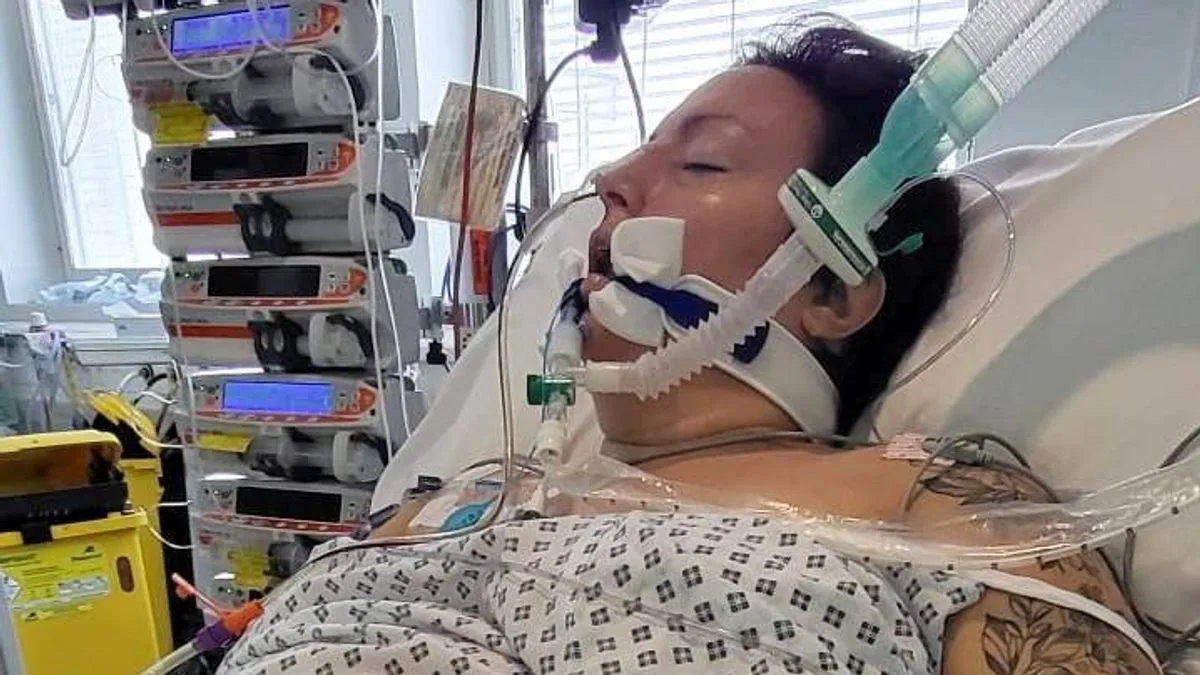
Becki's abdomen continued swelling dramatically until she appeared "like I was about to give birth to twins" just days before her scheduled surgery in August 2025. What was planned as an eight-hour operation extended to eleven hours when surgeons discovered the cancer had spread more extensively than anticipated.
The complex procedure involved:
- Removal of the 12kg tumour
- Excision of Becki's spleen, appendix, gall bladder, omentum, and peritoneum
- A complete hysterectomy
- Heated chemotherapy pumped throughout her abdomen post-surgery
This surgical intervention thrust Becki into early menopause at age 33, meaning she will never be able to conceive children. Fortunately, she and her husband Ed, 36, had previously decided against starting a family, though Becki acknowledged the devastating impact this would have on others hoping to conceive at her age.
Recovery and Ongoing Monitoring
Following five days in intensive care and a fortnight total hospital stay, Becki returned home with hormone replacement therapy (HRT) to manage menopausal symptoms including hot flushes. While she continues to experience fatigue and limitations with heavy lifting, her recovery progresses positively.
Medics now believe Becki is cancer-free, though she faces two decades of regular check-ups due to the disease's 30% recurrence risk. The experience has highlighted the challenges young women face when experiencing early menopause, with Becki noting the scarcity of support resources for women undergoing menopause in their early thirties.
"Doctors gave me HRT, which helped a lot, but it's really hard to find any support or any information for women going through menopause at my age," she explained.
Becki's story serves as a powerful reminder that unexplained weight changes and abdominal symptoms warrant thorough medical investigation, even when initial explanations seem straightforward.




