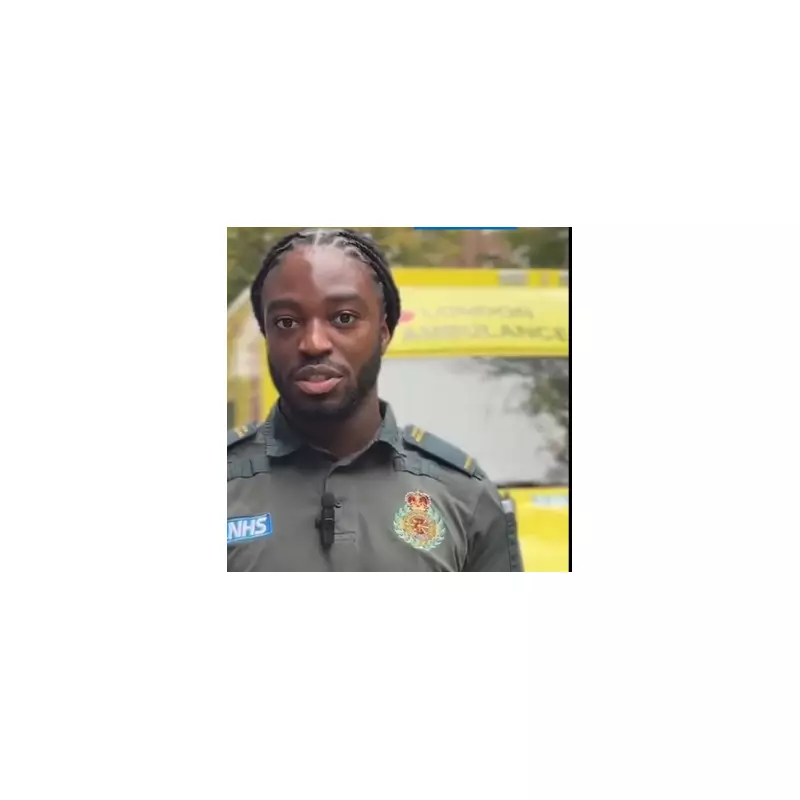
An NHS paramedic has issued a crucial plea to the public, urging them to avoid dialling 999 for a specific set of common but rarely serious flu symptoms. This warning comes as NHS England reports that ambulance services and A&E departments are confronting unprecedented demand this winter.
Record-High Pressure on Emergency Services
The call for public discernment follows an official alert from NHS England, which highlighted that A&E attendances and ambulance incidents reached a record high for October. Specifically, A&E attendances hit 37,000, surpassing the previous year's figures. Even more strikingly, ambulance incidents saw a sharp increase of nearly 50,000 compared to the same period last year.
In response to this surge, health officials are emphasising that emergency lines must be kept free for genuine, life-threatening situations.

10 Symptoms That Don't Typically Warrant a 999 Call
In a video shared by the NHS on X (formerly Twitter), Eyram, a paramedic with the London Ambulance Service, provided clear guidance. She explained that while influenza can make you feel miserable, it often does not constitute a medical emergency.
The ten common flu symptoms that usually do not require a 999 call are:
- Feeling tired and exhausted
- Loss of appetite
- Aches throughout the body
- A sudden high temperature
- A sore throat or dry cough
- Difficulty sleeping
- Feeling sick or being sick
- Diarrhoea or tummy pain
- A headache
"If you have the flu, there's some things you can do to get better quickly," Eyram advised. Her recommendations include resting and sleeping, keeping warm, taking paracetamol and ibuprofen for aches, and drinking plenty of fluids to avoid dehydration.
When You Should Seek Urgent Medical Help
The NHS stresses that while most flu cases can be managed at home, certain red flags require immediate action. The public is advised to call 999 or go to A&E if they experience any of the following symptoms while ill with the flu:
- Sudden chest pain
- Difficulty breathing
- Coughing up a lot of blood
For those at higher risk of complications—including people aged 65 and over, pregnant women, and individuals with long-term health conditions—the advice is to book an urgent GP appointment or call NHS 111 for further guidance.
The NHS reiterates that primary and emergency care services remain available for those who truly need them and encourages the public to use services responsibly to ensure help reaches the most critical cases first.