The Trump administration has unexpectedly cancelled up to $1.9bn in funding for substance use and mental health services, affecting approximately 2,800 grantees of the Substance Abuse and Mental Health Services Administration (Samhsa). The cuts, which represent about 26% of Samhsa's budget, took effect immediately on Tuesday evening, leaving providers and advocates warning of catastrophic consequences.
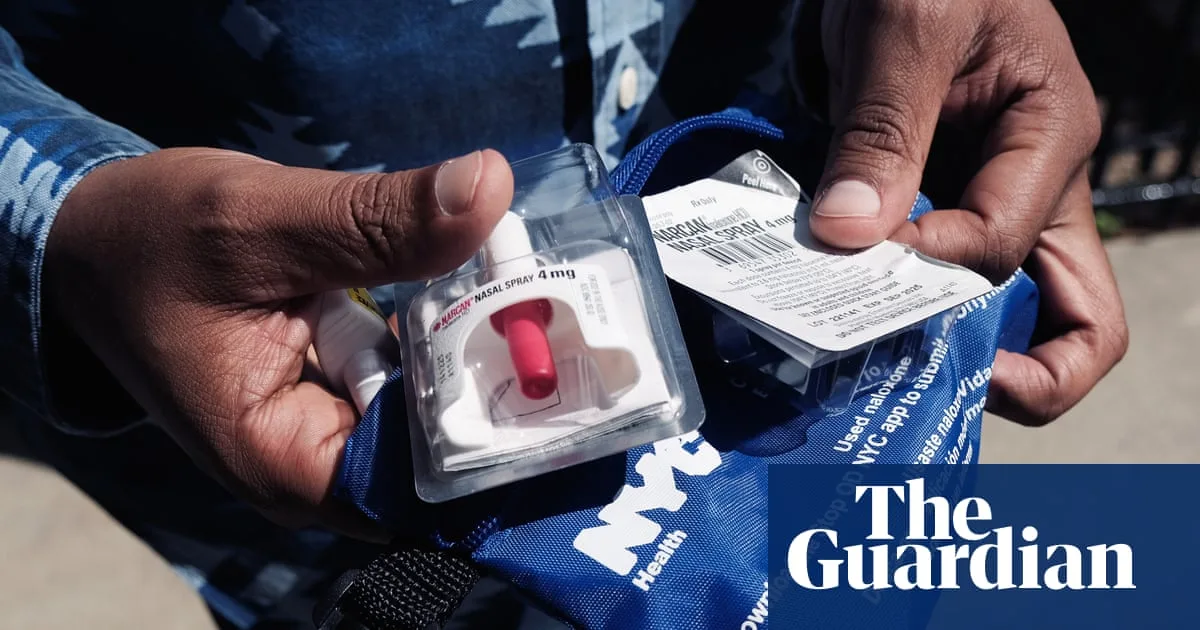
Ryan Hampton, founder of Mobilize Recovery, described the situation as 'Armageddon' for those on the frontlines of addiction and mental health care. 'Tens of thousands, if not hundreds of thousands, of people will die,' he said. The funding was used for a wide range of services, including overdose prevention, naloxone distribution, school-based mental health support, and treatment for pregnant and postpartum women with substance use disorders.
Staff at Samhsa were not consulted about the cuts, according to sources familiar with the matter. Providers learned of the cancellations via a letter from Christopher Carroll, deputy assistant secretary at Samhsa, stating that the awards no longer aligned with administration priorities. The letter cited goals such as reducing mental illness, substance use, overdoses and suicide through 'innovative programs and interventions.'

Critics argue the cuts contradict stated administration priorities. Hampton noted that naloxone distribution and school mental health support are '100% in line' with those goals. The funding was appropriated by Congress, and lawmakers were reportedly not involved in the decision. Regina LaBelle, former acting director of the White House Office of National Drug Control Policy, called the move 'politically motivated' and warned of 'devastating' impacts.
The cancellations come as the US had seen a 27% drop in overdose deaths in 2024. Yngvild Olsen, former Samhsa official, said the cuts could cause 'thousands of people losing access to treatment.' Providers are now forced to lay off staff and end programmes immediately, with many services serving as the first point of contact for those in need.