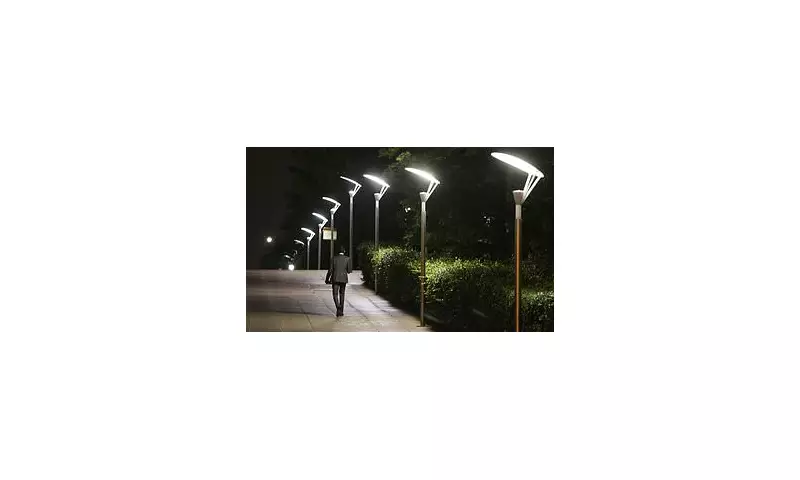
Millions of Britons suffering from winter depression might have an unexpected culprit to blame: the street lights illuminating their neighbourhoods. Groundbreaking research has discovered a strong connection between artificial outdoor lighting and increased rates of depression during the darker months.
The Light-Depression Connection
A comprehensive study analysing data from approximately 40,000 men and women aged over 50 from the US, England, Northern Ireland and the Republic of Ireland has revealed startling findings. Researchers measured participants' exposure to artificial light at night and compared this with depression rates, discovering that those living in areas with the most nighttime illumination were significantly more likely to experience mental health issues.
The research, published in the prestigious journal Environment International, found that people experiencing depression during winter were substantially more likely to reside in areas flooded with artificial outdoor lighting compared to those living in darker locations. The findings suggest that chronic exposure to man-made outdoor lights – particularly street lamps – can seriously worsen moods.
Regional Variations and Rural Vulnerability
The impact of artificial lighting varied dramatically across different regions. In England, bright lights at night increased depression risk by an average of 16 per cent, while in Northern Ireland, the risk skyrocketed to an alarming 80 per cent.
Perhaps most surprisingly, researchers discovered that those in rural areas were more severely affected by artificial light exposure. Study authors theorised this might be because rural residents are more accustomed to natural darkness throughout the rest of the year, making them more sensitive to artificial illumination during winter months.
Professor Paola Zaninotto, from UCL's department of epidemiology and public health and the study's author, emphasised the significance of these findings: "Outdoor light exposure at night may be an overlooked environmental risk factor for depression in older adults, especially in rural areas."
Understanding Seasonal Affective Disorder
Approximately two million people in Britain are thought to suffer from seasonal affective disorder (SAD), a condition that typically causes:
- Low mood and irritability
- Lethargy and fatigue
- Difficulty concentrating
- Decreased sex drive
Scientists propose that intense, uncontrollable outdoor artificial light is more likely to disrupt the body's internal clock than indoor lighting. This disruption affects the hypothalamus, which controls melatonin production – the hormone that makes us feel tired. Lack of proper daylight patterns triggers inappropriate melatonin release while reducing levels of serotonin, the body's feel-good chemical.
While many SAD sufferers traditionally use light therapy lamps to mimic sunlight's benefits, this new research suggests an alternative approach: reducing outdoor light exposure during evening hours might be equally important for managing winter depression symptoms.
The study challenges conventional thinking about seasonal depression treatment and highlights the complex relationship between our modern illuminated environment and mental wellbeing, particularly for older adults navigating the challenging winter months.