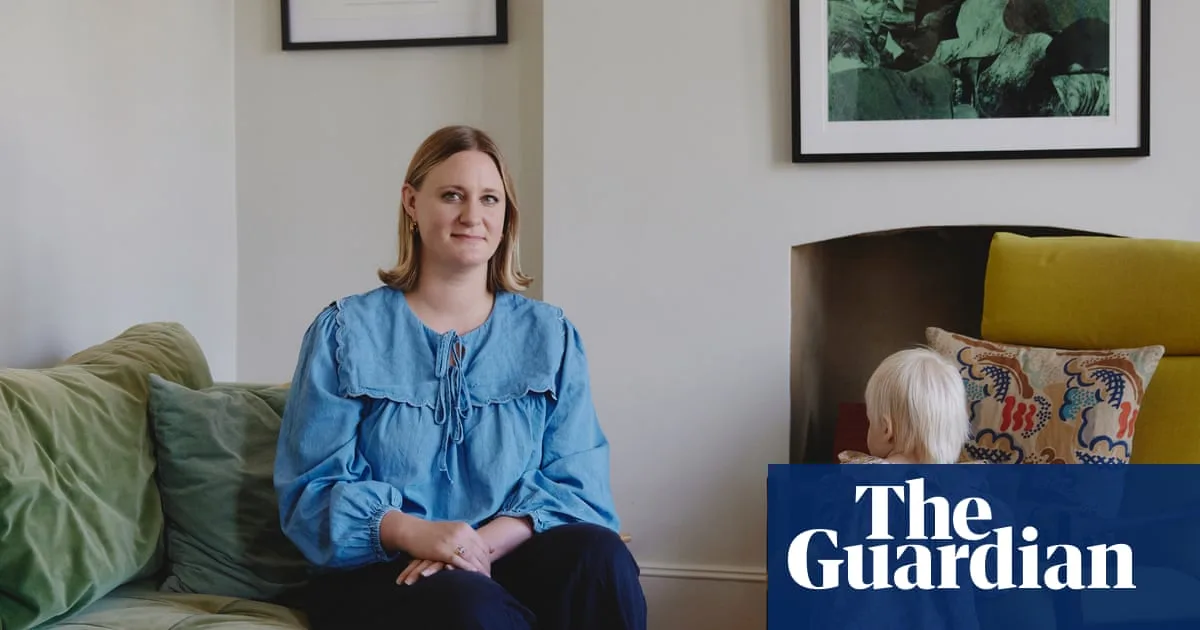
In February, Sarah, a 39-year-old food stylist and mother of two from London, began experiencing strange visual disturbances. After a period of intense work and exhaustion, she noticed flashing lights in her vision, which she initially dismissed as a migraine. But the symptoms persisted and worsened, evolving into a constant layer of static over everything she saw.
Sarah visited A&E twice, where doctors told her her eyes were fine and suggested it was likely a migraine. However, the symptoms continued: intense after-images, severe light sensitivity, tremors in her hands and face, and a thick brain fog. She began to worry she was losing her mind or had a serious brain condition.
After a private MRI came back clear, Sarah discovered visual snow syndrome online, a condition affecting about 2% of the UK population. In April, a neurologist confirmed the diagnosis. There is little known about the syndrome and no known cure. Sarah declined epilepsy medication due to uncertain benefits.

Sarah now wears sunglasses almost constantly, even indoors, to manage light sensitivity. She struggles with overwhelming situations, such as a friend's hen do with flashing lights that reduced her to tears. Her four-year-old son has started closing blinds to protect her eyes, which she finds devastating.
Sarah is exploring a clinical trial at St Thomas's Hospital in London and considering joining a support group through the Visual Snow Initiative in the US. She copes with the uncertainty of whether the condition will ever go away and the loneliness of looking fine while navigating constant sensory noise.