Psychiatrist who treated Bondi Junction killer referred to health regulator for 'major failing'
Dr Andrea Boros-Lavack, the psychiatrist who provided long-term care to Joel Cauchi before he killed six people in the Westfield Bondi Junction stabbing rampage, will be referred to health regulators following a coronial inquest that identified significant failures in his treatment.
Coroner identifies critical lapses in mental health care
New South Wales coroner Teresa O'Sullivan found that Dr Boros-Lavack failed to respond adequately when Cauchi's family raised concerns about his deteriorating mental health in late 2019. The coroner described this as a "major failing" that represented one of several missed opportunities that contributed to the April 2024 tragedy.
Cauchi, who was first diagnosed with schizophrenia as a teenager, was unmedicated and homeless at the time of the attack. The 40-year-old stabbed sixteen people in just six minutes before being shot dead by police officers responding to the emergency.

Systemic failures across multiple agencies
The inquest revealed multiple systemic failures beyond the psychiatric care. An email sent to police raising concerns about Cauchi's mental health was not acted upon due to staff shortages, with the officer involved "overlooking a single email amidst a significant workload."
Security arrangements at Westfield Bondi Junction were also criticised, with the coroner finding that the guard monitoring CCTV at the time of the attack was not competent for the role. Responsibility for this failure was placed with the shopping centre, which has since changed its security procedures.
Victims remembered as coroner makes recommendations
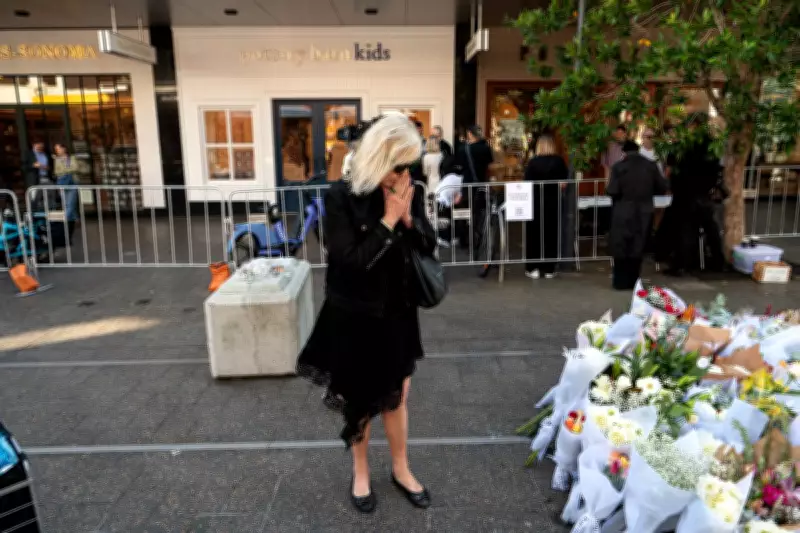
The six people killed in the attack were Dawn Singleton, 25; Yixuan Cheng, 27; Jade Young, 47; Ashlee Good, 38; Faraz Tahir, 30; and Pikria Darchia, 55. Ten others were injured, including Good's baby daughter, who survived the assault.
Among twenty-three recommendations, the coroner called on the New South Wales government to strengthen mental health outreach services and provide short-term housing for people with serious mental illness. She also urged better coordination between emergency services and recommended a public awareness campaign promoting the "escape, hide, tell" message for armed-offender situations.
Families respond to findings
Outside court, Noel McLaughlin, husband of victim Jade Young, said the inquest had shown the attack was not a sudden or random act of violence but "the end point of a long story" of systemic failures.
Cauchi's parents expressed their profound sorrow and hope that the findings would help prevent similar tragedies in the future. They had previously stated they were "extremely sorry" for their son's actions.
The coroner praised the police and emergency response as "commendably rapid and extensive" but criticised some media coverage of the attack, saying it had exacerbated the trauma of victims and families. She indicated she would make recommendations to the Australian Press Council regarding reporting on mass-casualty events.
While acknowledging that Dr Boros-Lavack had provided "personalised, consistent and compassionate treatment" over many years, the coroner emphasised that her failure to take more active steps when concerns were raised in 2019, and her inadequate discharge letter when Cauchi moved interstate, represented serious lapses in professional responsibility.