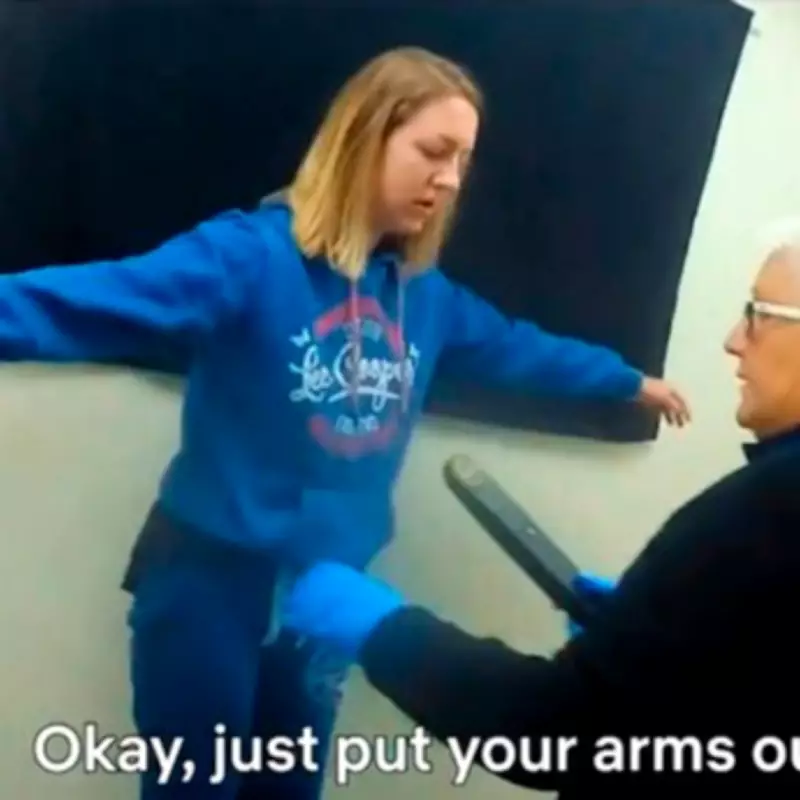
In a startling development that has sent shockwaves through the British legal and medical communities, a senior doctor central to the Lucy Letby investigation has publicly admitted harbouring doubts about her conviction. Dr John Gibbs, a former consultant paediatrician at the Countess of Chester Hospital, has broken his silence in a new Netflix documentary, expressing what he describes as a "tiny, tiny, tiny guilt" that the wrong person may have been imprisoned.
A Consultant's Candid Confession
Dr Gibbs, who has since retired, was working at the hospital during the tragic period between June 2015 and June 2016 when a series of unexplained baby deaths and collapses occurred. Letby, a nurse on the unit, was subsequently convicted and is currently serving 15 whole-life jail terms for murdering seven infants and attempting to murder seven others.
In a rare and emotionally charged interview for the documentary 'The Investigation Of Lucy Letby', Gibbs reveals the internal conflict that has plagued him. "I live with two guilts," he states, "guilt we let the babies down and tiny, tiny, tiny guilt did we get the wrong person? Just in case. I don't think there was a miscarriage of justice, but you worry that no one actually saw her do it."

The Growing Suspicion at Countess of Chester
Gibbs provides a detailed account of the escalating concerns among medical staff. He describes Letby as a "quiet nurse" who appeared "conscientious, keen, and competent," with nothing initially standing out. However, by the end of 2015, the consultant body became deeply alarmed by the cluster of unusual deaths on the neonatal unit.
A critical staffing review revealed one chilling common denominator. "There was only one person was on duty for all of those deaths, and it was Lucy Letby," Gibbs explains. Faced with this pattern, the consultants approached the neonatal nurse manager, only to be met with "very firm pushback." The manager was "absolutely adamant" that Letby was a dedicated professional and that any suggestion of harm was unthinkable.
Management's decision to move Letby to day duty proved tragically ineffective. "The deaths at night and the collapses at night stopped, but shockingly, they started to occur during the day," Gibbs recounts. This grim development forced the consultants to act decisively, leading to Letby's removal from the unit.
Diverging Perspectives on Guilt
The documentary presents a stark contrast between the doubts voiced by some medical professionals and the unwavering certainty of the prosecution. Letby's new defence barrister, Mark McDonald, argues there was "no motive" for her to commit the crimes and highlights the hospital's crisis conditions at the time.
"Nurses were crying at the end of their shifts because of the stress, because of them being overworked," McDonald insists, pointing to severe understaffing and resource shortages on the unit.
The Prosecution's 'Smoking Gun'
In opposition to these doubts, Cheshire Police and key prosecution witnesses maintain their position. Expert witness Dr Dewi Evans, who provided medical opinion during the trial, stands by the conviction. He points to the deliberate poisoning of babies with insulin as compelling evidence.
"The jury had evidence of a baby who had been deliberately poisoned with some substance. To use the vernacular, it was a smoking gun," Evans tells the documentary. He notes that Letby had access to the fridge containing insulin and nutrition bags, and during police questioning, she agreed insulin had been administered while she was on duty.
The release of this documentary on Netflix has reignited public debate over one of Britain's most harrowing criminal cases, juxtaposing a medical professional's haunting doubts against the judicial system's definitive verdict.