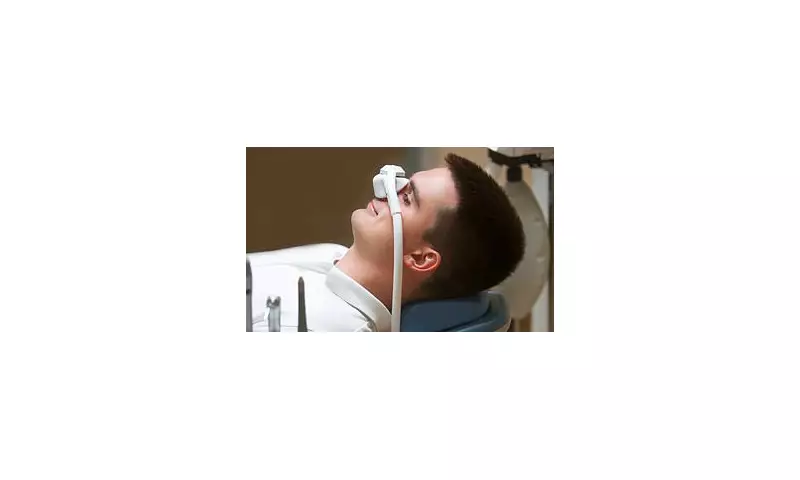
In a significant development for mental health treatment, a new UK study has found that low doses of nitrous oxide, commonly known as 'laughing gas', can provide swift relief for individuals suffering from treatment-resistant depression.
A Rapid Response for Severe Depression
Researchers from the University of Birmingham and the University of Oxford, in collaboration with the Birmingham and Solihull Mental Health NHS Foundation Trust, discovered that a single inhalation of nitrous oxide at a 50 per cent concentration led to a noticeable reduction of symptoms. The study, published in the journal eBioMedicine, specifically examined patients with major depressive disorder (MDD), treatment-resistant depression (TRD), and bipolar depression.
The findings indicated that 'rapid and significant' reductions in depressive symptoms were observable within just 24 hours of a single dose. However, this relief was typically short-lived, lasting around a week, suggesting that most patients would require a longer, managed course of treatment to sustain the benefits.

Potential and Precautions of a New Treatment
Lead study author Kiranpreet Gill, a PhD researcher at the University of Birmingham, emphasised the importance of the findings. 'This study brings together the best possible evidence indicating that nitrous oxide has the potential to provide swift and clinically significant short-term improvements in patients with severe depression,' Gill stated. 'Our analyses show that nitrous oxide could form part of a new generation of rapid-acting treatments for depression.'
The research also carefully assessed potential side effects. Patients reported some instances of nausea, dizziness, and headaches, but these were generally mild and resolved quickly without medical intervention. The study concluded that there were no overriding safety concerns for the short-term use of nitrous oxide in this context, though more research is needed to understand the implications of long-term use.
From Recreational Use to Regulated Therapy
Nitrous oxide is most widely recognised as a medical anaesthetic used for pain relief during dental and surgical procedures. However, its illegal recreational use, often referred to as 'hippy crack', has been on the rise, making it the second most popular drug among 16 to 24-year-olds after cannabis.
The colourless gas is inhaled and is believed to work by affecting glutamate receptors in the brain, which in turn influences mood and emotions. While this new research points to a promising medical application, some experts urge caution. Professor Hamish McAllister-Williams of Newcastle University, who was not involved in the study, noted that it is too soon to definitively conclude that nitrous oxide is an effective depression treatment, calling for larger and more robust trials.
This research offers a beacon of hope for the nearly half of all UK depression patients who find no relief from standard treatments, potentially paving the way for a new, fast-acting tool in the fight against severe depression.