
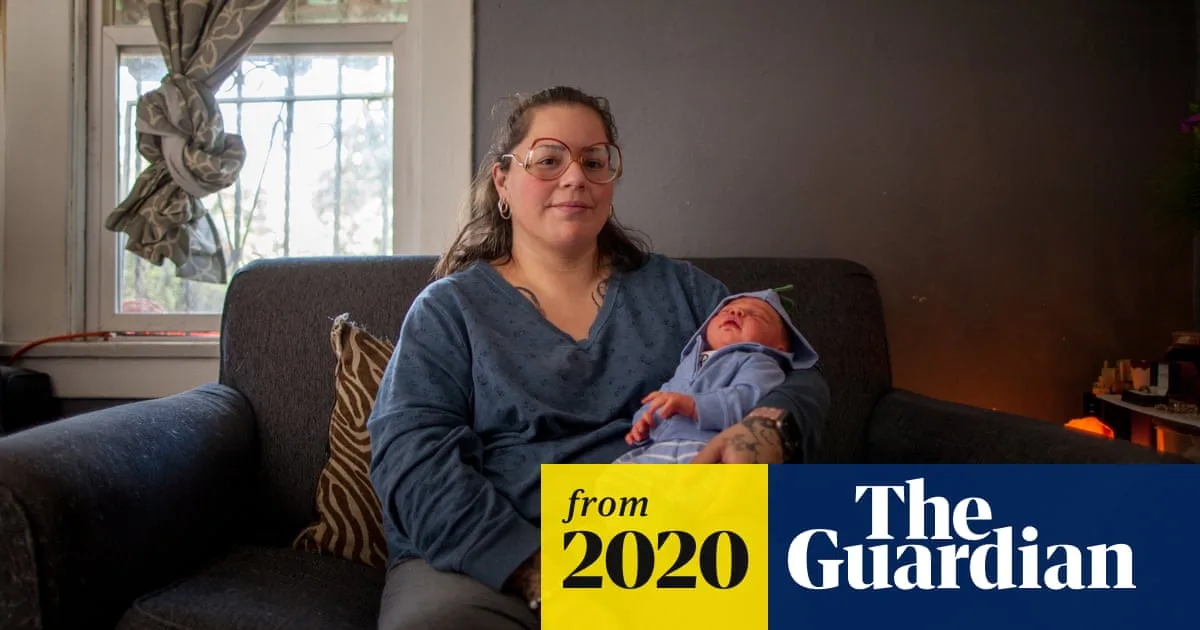
Kellie Eldred, a mother of two from Ithaca, New York, is part of a global subculture of collectors who spend thousands of pounds on hyper-realistic baby dolls. The dolls, known as 'reborns', are customised by artists to look and feel like real infants, with weighted bodies and skin-like silicone. Eldred's first reborn, bought on eBay in 1999 for $100, resembled her daughter Lexi as a baby.
The hobby has grown exponentially with social media: Eldred's YouTube channel has over 30,000 subscribers and more than 14.45 million views. Many collectors, mostly women, gather in online forums and marketplaces like Etsy and eBay. Some spend upwards of $20,000 on a single doll, which they display in nurseries with cribs, changing tables, and baby clothes.
Despite the passion, collectors often face misunderstanding and ridicule. Eldred keeps her hobby private offline, rarely taking dolls in public. Her husband has made derisive remarks during arguments, and she addresses judgment in her videos. 'Because of the hobby, and the misunderstanding, not really getting why we love the hobby so much, I think it's hard for family members at times,' she said in a 2019 video.
Eldred distinguishes herself from role-players who use bottles and nappies, insisting her dolls are for display. However, she acknowledges that the hobby is often dismissed as 'grown women playing mommy'. The dolls have evolved with technology, now made from proprietary silicone blends and sometimes moulded from real newborns.




