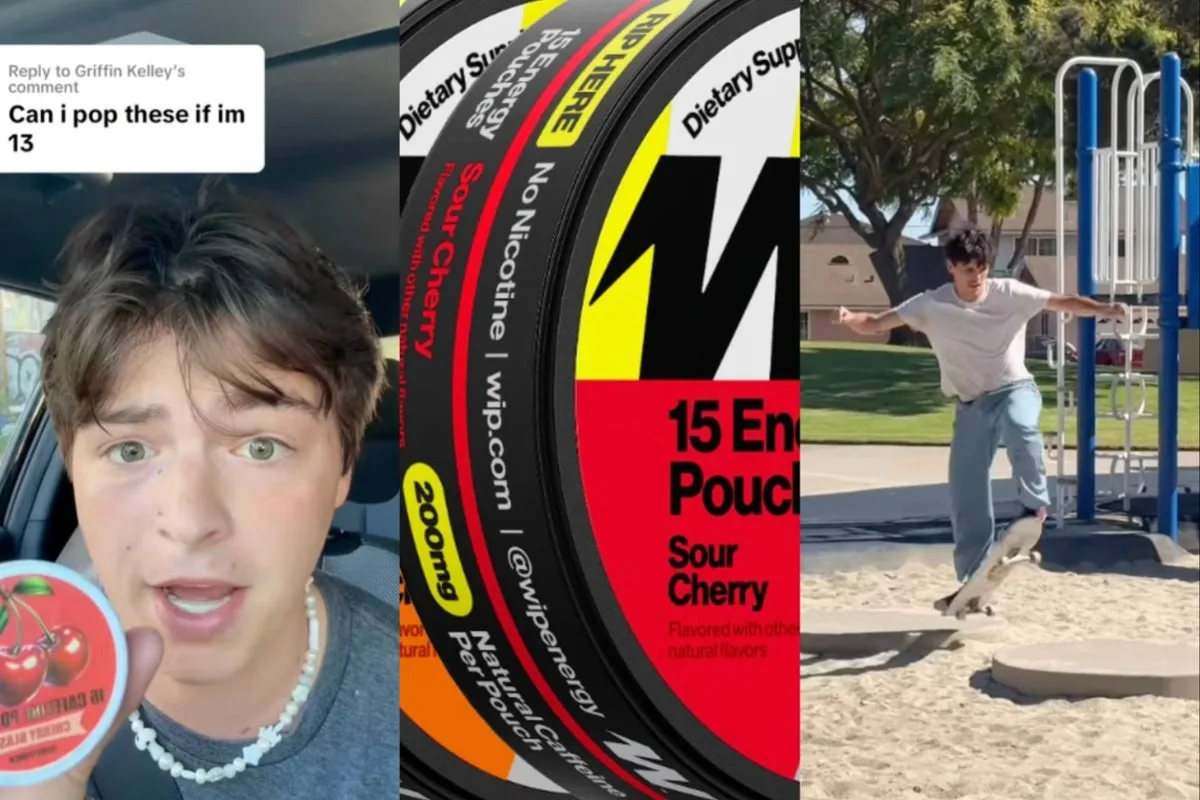
Caffeine pouches, placed between the cheek and gum to deliver the stimulant directly, have become increasingly popular among teenagers. Social media platforms like TikTok feature videos of young users promoting the products, with some suggesting 13-year-olds can use them. Unlike other substances, there is no national age restriction on caffeine in the UK, leaving minors free to purchase these products.
Health experts are raising alarms over the potential risks. Dr Michael Garcia of UCLA Health warns that caffeine use in adolescents can elevate blood pressure, worsen anxiety, and disrupt sleep. Long-term use may lead to tolerance and dependence, similar to other stimulants. The American Academy of Pediatrics recommends no more than 100mg of caffeine per day for 12- to 18-year-olds, equivalent to about one cup of coffee or two cans of Diet Coke.
Concerns extend to marketing tactics. Dr Robert Jackler from Stanford Research Into the Impact of Tobacco Advertising notes that brands such as Wip, founded by a former Juul executive, use influencers and sports imagery that appeal strongly to young people. Dr Bonnie Halpern-Felsher adds that such content, featuring skateboarding and weightlifting, indicates targeting of youths rather than adults.
Caffeine pouch companies insist they market only to over-18s. Wip states its packaging is designed for adults and includes age warnings, rejecting claims of underage advertising. However, products like LyvWel’s “Cherry Blast” pouches contain 56mg per pouch, while Wip sells pouches with up to 200mg. Emergency room visits for caffeine overdose among US children aged 11–14 doubled between 2017 and 2023, a trend that UK experts fear could be replicated.