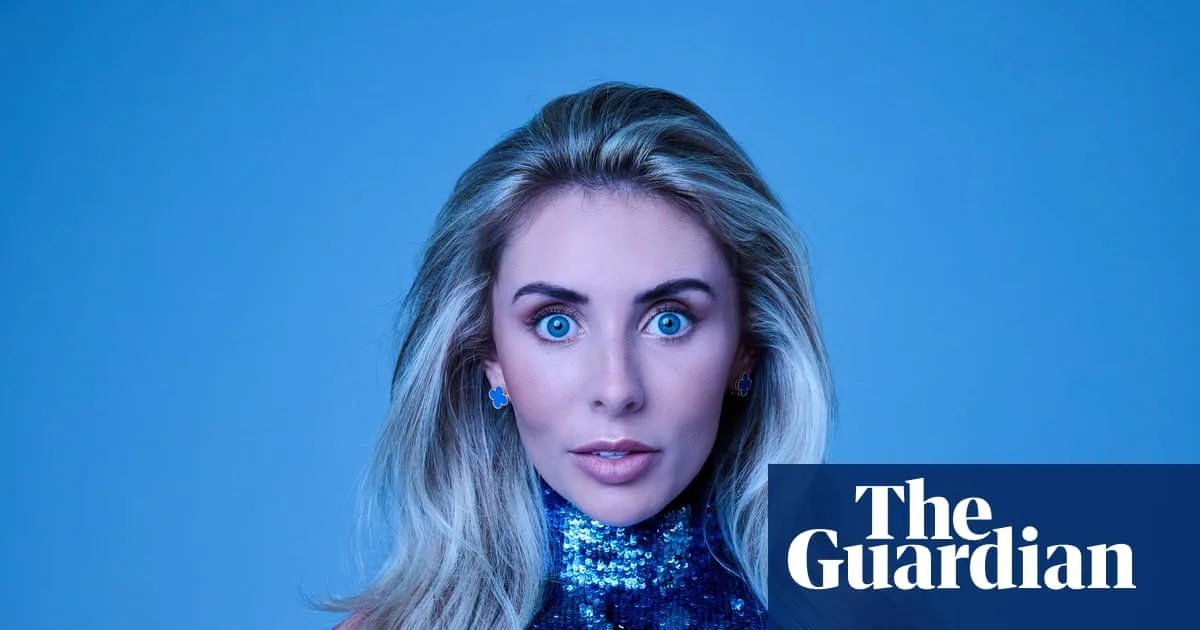
Letters published in response to a recent article on Bonnie Blue and the Channel 4 documentary about her have raised serious concerns over mental health ethics and the promotion of extreme sexual content. Louise Riches of London wrote that she was confronted by Bonnie Blue’s image and the promotion of her “extreme sexual behaviour” each time she opened the Channel 4 app. Riches complained to the broadcaster and received a reply stating that the image and programme title were “suitable for all audiences” and complied with the Ofcom broadcasting code.
Riches expressed alarm that the Ofcom code approves the promotion of a story about a woman selling her body for sex orgies to “barely legal young men” as suitable for all audiences, with no regard for the audience’s ability to process such complex and disturbing subject matter. She also voiced concern for younger generations and their expectations of relationships.
Rev Simon Jones of Barrow-in-Furness, Cumbria, argued that the uproar over the documentary reveals a deeper cultural paradox. He suggested that Bonnie Blue is not what feminism wants, but may be what a certain strand of feminism has produced: a “Frankenstein’s monster” born of a hyper-individualistic, sex-positive ethos untethered from collective ethical critique. Jones warned that a pseudo-feminist narrative valorises personal sexual agency while bracketing social meanings and consequences, making any questioning of “empowerment” suspect.
Alan Gent of Cheadle, Greater Manchester, questioned why society accepts online porn as normalised, urging that the bigger picture should be to win the war to get porn off the internet altogether.