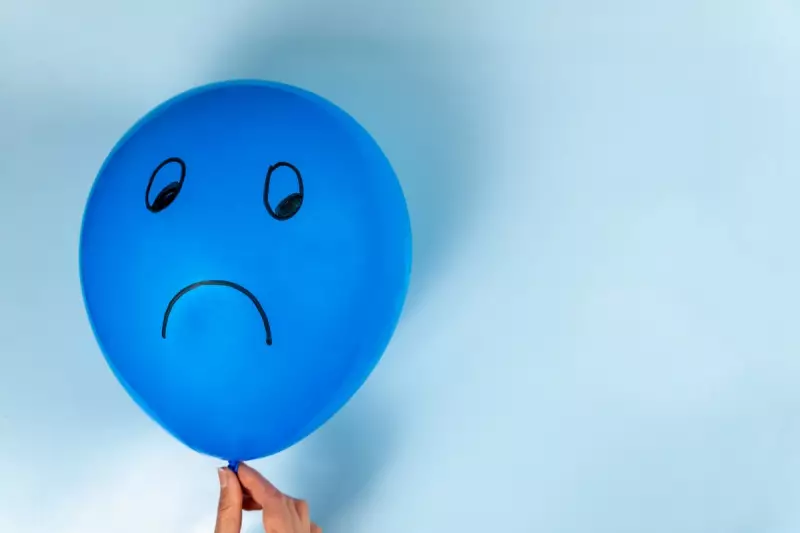
As the third Monday of January rolled around, the term "Blue Monday" once again dominated social media feeds, touted as the year's most depressing day. However, leading mental health organisations have issued a firm rebuke, labelling the concept a harmful myth that trivialises serious mental health conditions.
The Origins of a Marketing Myth
The idea of Blue Monday was first introduced in 2005 by Welsh psychologist Dr Cliff Arnall. He devised a formula for a travel company, Sky Travel, which factored in post-Christmas gloom, cold weather, failed New Year's resolutions, and the wait for January payday to pinpoint a single day of peak misery. The calculation landed on the third Monday of January.
Dr Arnall has since distanced himself from the idea. In a 2018 interview with The Independent, he stated that the day becoming synonymous with negativity was "never my intention." He has encouraged a more positive view of January as a time for new beginnings and planning.

Charities Condemn 'Trivialisation' of Depression
Organisations including Mind UK and Samaritans have consistently criticised Blue Monday. They argue it oversimplifies the complex, year-round reality of depression and other mental health issues.
Sonya Trivedy, Samaritans' executive director of external engagement, was unequivocal in her condemnation. She called Blue Monday "harmful" and "a load of rubbish."
"Our volunteers are busy 24 hours a day, 365 days a year, so the idea that there’s a single ‘worst’ day of the year is not only a load of rubbish but is harmful as it could deter people from seeking support when they really need it," Trivedy explained.
Brew Monday: A Positive Alternative
In direct response to the Blue Monday trend, Samaritans runs its "Brew Monday" campaign. The initiative encourages people to connect with friends, family, or colleagues over a cup of tea any day of the year, emphasising that support and conversation should not be confined to a single date.
The charity stressed that the campaign aims to dispel the unhelpful Blue Monday myth, reinforcing that people can struggle with their mental health on any day, and help is always available.
Ultimately, while the dark, cold days of January can pose challenges for wellbeing, experts and charities agree that framing one day as universally the worst is not only scientifically dubious but potentially dangerous for those in need of consistent, understanding support.